


 اختر منطقتك
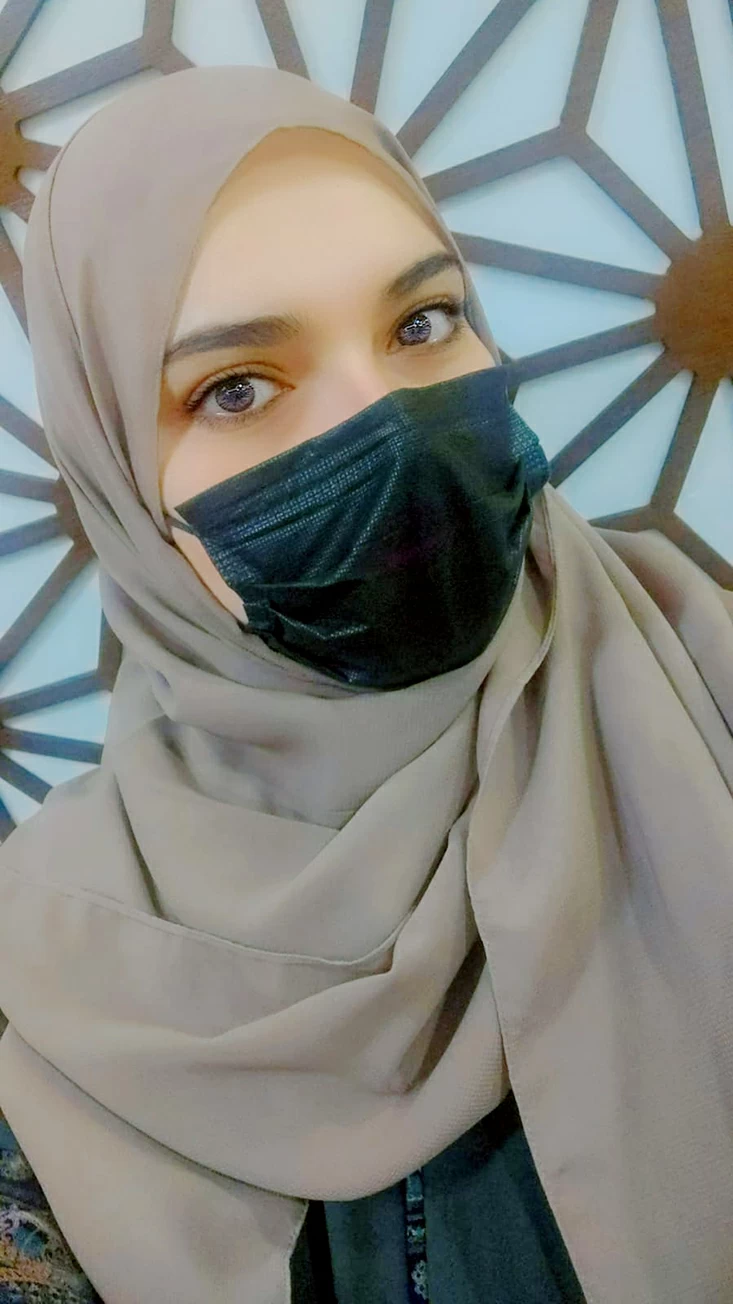
لو قابلت نفسي التي كانت قبل 15 أو 20 عاماً، لا أظن أنها ستندهش من الإنجازات أو مما وصلت إليه. ستكون دهشتها من شيء آخر، شيء لم تكن تتوقعه؛ من الطمأنينة.
ليس لأن الحياة أصبحت أسهل، ولا لأن الألم اختفى. بل لأنها كانت تظن أن الطمأنينة تعني غياب الألم، وأن السلام يعني استواء كل شيء. أما اليوم فأدركت شيئاً مختلفاً؛ الطمأنينة ليست غياب الاضطراب، بل هي شكل من التصالح مع ما يحدث، والقدرة على التعامل معه دون فقدان الاتزان الداخلي.
يتغيّر الأشخاص، وتتغيّر الأحلام، وتتبدل المخاوف. يدخل أناس إلى حياتنا نظن أن الحياة لا تستقيم دونهم، ثم يخرجون. تتسع تجاربنا، وما كنا نظنه حقيقة مطلقة نكتشف لاحقاً أنه لم يكن سوى مرحلة من مراحل الفهم.
ومع كل هذا التغيّر، يبقى لدينا شعور خفي بالاستمرارية. وكأن شيئاً داخلياً يربط بين نسختنا القديمة والجديدة دون انقطاع. وهنا يبرز السؤال: ما الذي يبقى منا فعلاً عندما يتغيّر كل شيء؟
ربما لأن الإنسان لا يتكون من الظروف التي مر بها، ولا من الأشخاص الذين عرفهم. هذه الأشياء جميعها في تغير دائم. أما ما يبقى، فهو خيط غير مرئي؛ قد يكون سؤالاً داخلياً لا يغادرنا، أو قيمة نعود إليها في كل مرحلة، أو بحثاً مستمراً عن معنى يجعل الحياة أكثر وضوحاً.
كأننا لا نتغيّر مرة واحدة، بل تُعاد صياغتنا بهدوء، مثل ضوء يتبدل على سطح ماءٍ ساكن، دون أن يفقد الماء هويته.
بالنسبة لي، كان هذا الخيط هو البحث عن السلام.
كنت أظن في مراحل سابقة أن السلام يوجد في الخارج؛ في تحقق الأمنيات، في استقرار الظروف. لكن السنوات علمتني أن السلام أعمق من ذلك بكثير.
لقد أدركت مع الوقت أن ما يحدث لنا ليس دائماً تحت سيطرتنا، لكن الطريقة التي نستجيب بها هي ما يصنع الفرق الحقيقي. بين ما يحدث لنا، وبين ما نصبح عليه، توجد مساحة صغيرة لكنها حاسمة. هناك يتشكل الوعي، وهناك تُبنى شخصياتنا بهدوء، دون ضجيج، كأننا لا نتغير تحت الضوء، بل في عمق صامت لا يراه أحد.
ومن هذا المنظور، لا يعود التغيّر تهديداً لهويتنا، بل جزءاً من تكوينها. فكل تجربة تمر بنا، سهلة أو قاسية، تعيد تشكيلنا بطريقة أعمق، كجبلٍ يراه العابر من بعيد كتلة واحدة، بينما هو في الحقيقة طبقات من قممٍ وأسئلة.
وربما الأهم؛ أن معرفتنا بالحياة ليست نهائية أبداً. في كل مرحلة نظن أننا فهمنا الحقيقة، ثم نكتشف لاحقاً أن هناك طبقة أعمق لم نكن نراها. وكأن الذات ليست صورة ثابتة، بل طبقات تتكشف مع الزمن. وكلما ظن الإنسان أنه اقترب من الفهم الكامل، اكتشف أن هناك مستوى آخر لم يصل إليه بعد.
لهذا أعتقد أن النضج لا يعني امتلاك جميع الإجابات، بل التواضع أمام الأسئلة. والحكمة ليست في الوصول إلى يقين كامل، بل في القدرة على مواصلة السير رغم عدم اكتمال الصورة، كمن يمشي في ضبابٍ خفيف، يتعلم أن يثق بخطواته أكثر من وضوح الطريق، مع يقين بالله، وثقة بأن ما نمر به يحمل معنى حتى وإن لم نفهمه في حينه.
فليس لنا يد في كل ما سيحدث لنا، لكن لنا يد في الطريقة التي سنواجهه بها.
قد نفقد أشياء كنا نظن أنها جزء من هويتنا، لكن ما يبقى في النهاية ليس ما مررنا به، بل ما تعلمناه منه، ولا ما حدث لنا، بل الطريقة التي اخترنا أن نستجيب بها له.
وفي النهاية، ربما لا يبقى منا ما نظنه ثابتاً، بل يبقى ذلك الأثر الذي تتركه فينا التجارب حين تهدأ الحياة، وطريقتنا في حمل ما لا يُقال من وجعٍ وفهمٍ وصبر.
ولعلنا لا نبقى نحن كما كنا، بل نبقى نحن كما تعلّمنا أن نكون بعد كل ما مرّ بنا.
If I met my past self from 15 or 20 years ago, I don’t think she would be surprised by the achievements or what I have reached. Her astonishment would come from something else, something she didn’t expect; from the sense of tranquility.
Not because life has become easier, nor because pain has disappeared. But because she thought that tranquility meant the absence of pain, and that peace meant everything being in order. Today, however, I have realized something different; tranquility is not the absence of turmoil, but a form of reconciliation with what happens, and the ability to deal with it without losing inner balance.
People change, dreams change, and fears transform. People enter our lives, and we think that life cannot be right without them, and then they leave. Our experiences expand, and what we once thought was an absolute truth we later discover was just a stage of understanding.
With all this change, we still have a hidden feeling of continuity. As if something internal connects our old and new versions without interruption. Here arises the question: what truly remains of us when everything changes?
Perhaps because a person is not made up of the circumstances they have gone through, nor of the people they have known. All these things are in constant flux. What remains, however, is an invisible thread; it may be an internal question that never leaves us, or a value we return to at every stage, or a continuous search for meaning that makes life clearer.
It’s as if we do not change all at once, but are quietly redefined, like light changing on the surface of still water, without the water losing its identity.
For me, this thread has been the search for peace.
I used to think in earlier stages that peace exists outside; in the fulfillment of wishes, in stable circumstances. But the years have taught me that peace is much deeper than that.
I have come to realize over time that what happens to us is not always under our control, but the way we respond is what makes the real difference. Between what happens to us and what we become, there is a small but crucial space. There, awareness is formed, and there our personalities are built quietly, without noise, as if we do not change in the light, but in a silent depth that no one sees.
From this perspective, change no longer threatens our identity, but becomes part of its formation. Every experience we go through, whether easy or harsh, reshapes us in a deeper way, like a mountain that a passerby sees from afar as a single mass, while in reality, it is layers of peaks and questions.
And perhaps more importantly; our understanding of life is never final. At every stage, we think we have understood the truth, only to later discover that there is a deeper layer we had not seen. As if the self is not a fixed image, but layers that unfold over time. The more a person thinks they have approached complete understanding, the more they discover that there is another level they have not yet reached.
That is why I believe that maturity does not mean having all the answers, but humility in the face of questions. Wisdom is not in reaching complete certainty, but in the ability to keep moving forward despite the incomplete picture, like someone walking in light fog, learning to trust their steps more than the clarity of the path, with faith in God, and confidence that what we go through carries meaning even if we do not understand it at the time.
For we do not have a hand in everything that will happen to us, but we do have a hand in the way we will face it.
We may lose things we thought were part of our identity, but what remains in the end is not what we went through, but what we learned from it, and not what happened to us, but the way we chose to respond to it.
In the end, perhaps nothing remains of us that we think is fixed, but rather the impact that experiences leave in us when life calms down, and our way of carrying what is unsaid of pain, understanding, and patience.
And perhaps we do not remain as we were, but we remain as we have learned to be after everything we have gone through.