

 اختر منطقتك
يعاني فن النحت في العالم العربي من الضمور؛ بسبب انصراف الكثيرين عن دراسته، وتحول المتخصصين فيه إلى فنون أخرى. هذا على الرغم من التاريخ العريق للنحت في البلاد العربية، الذي انطلق في العصور الغابرة من بلاد الشام وبلاد الرافدين، ناهيك عن اهتمام مصر، تحديداً، به منذ عقود طويلة بدليل انتشار التماثيل والمجسمات في ميادينها وساحاتها وشوارعها أكثر من أي قطر عربي آخر، وازدحام تاريخها المعاصر بأسماء قامات كبيرة من النحاتين الذين تعلموا أصول هذا الفن في معاهد عالمية متخصصة، مثل (محمود مختار وعبدالهادي الجزار). وإذا ما تحدثنا عن فن النحت في دول الخليج العربية، فإننا نجد تفاوتاً في تاريخ نشأته والاهتمام به وعدد المتخصصين فيه بين قطر خليجي وآخر، لكن يمكن القول بصفة عامة، إنه مجال لم يخضه سوى عدد محدود من الفنانين بسبب عوامل مختلفة، على رأسها موضوع التحريم. وعلى الرغم من المحظورات والعوائق، تمكنت هذه القلة من النحاتين في الخليج من تقديم أعمال تعبر عن الهوية الثقافية باستخدام المواد المحلية والرموز التراثية والزخارف العربية وفنون العمارة الإسلامية، أو تعبر عن التحولات الاجتماعية والفكرية في المنطقة وبعض الأحداث المفصلية في تاريخها، كما نجحت هذه القلة في التفاعل مع الاتجاهات الفنية الحديثة دون التخلي عن جذورها الثقافية، فجاءت أعمالها متميزة بطابع يجمع بين الحداثة والأصالة.
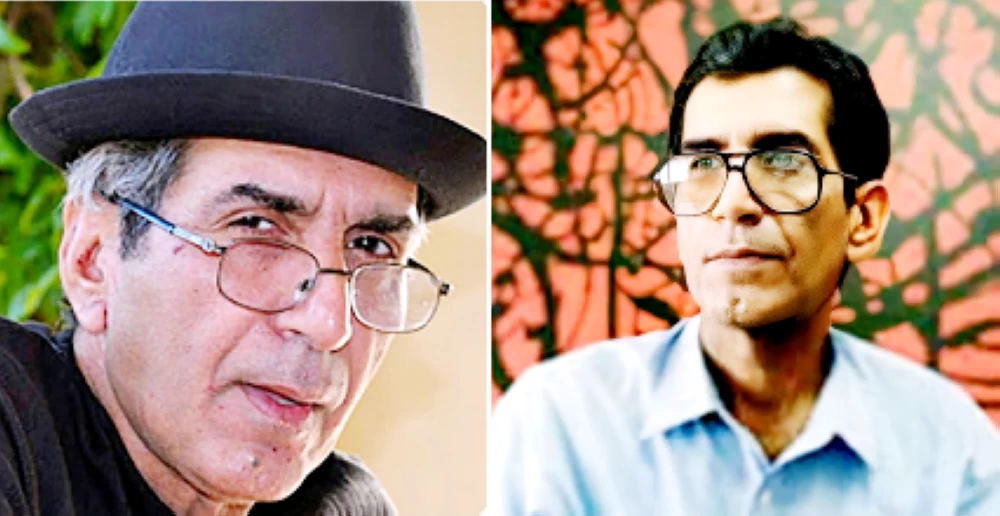
من بين النحاتين الخليجيين القلة، برز اسم الصديق النحات والفنان التشكيلي البحريني خليل الهاشمي، الذي وافاه الأجل المحتوم في يوم الجمعة الموافق للتاسع من ديسمبر سنة 2022، من بعد معاناة طويلة من مرض عضال، فتمت الصلاة عليه وشيع جثمانه إلى مثواه بمقبرة المنامة. وفي هذه المادة نحاول تتبع رحلة الفقيد في الفن والحياة منذ نشأته حتى مماته، توثيقاً لسيرته وتعريفاً به لمن لم يعاصره أو يتتلمذ على يده أو يقترب من فنه الجميل.
لقد كان رحيله مؤلماً وصادماً لكل العاملين في الساحة الفنية والثقافية البحرينية، كيف لا وهو الذي أثرى الساحة بمنحوتاته واشتغالاته، وكان على مدى سنوات واحداً من أعمدة فنون النحت في مملكة البحرين، تشهد على ذلك إسهاماته في إغناء الحركة التشكيلية ورفد الحركة الثقافية، دعك من تفاعله الجميل مع الهم الإنساني، وإيمانه العميق بفن النحت كفن خالد يتحدى الزمن ويعبر الأجيال والفضاءات، ويجسد قدرة الإنسان على الإبداع والتجديد.
لقد مرت أربع سنوات على رحيله عن دنيانا، لكن يقف عمل من أعماله الجميلة صامداً إلى اليوم،أمام أنظار عشرات الآلاف من مواطنيه في غدوهم ورواحهم إلى أعمالهم وبيوتهم كل يوم وساعة، ونعني بذلك مجسم «سرب الطيور»، الذي ينتصب شامخاً في «تقاطع الغوص» بالقرب من «مستشفى الملك حمد»، مستقبلاً القادمين من المنامة، والذاهبين إليها عبر «جسر الشيخ عيسى بن سلمان». وفي عمله هذا أبدع الفقيد، حيث قدم توليفةً زاوج فيها بين ترقرق أجنحة الطير المحلق في السماء، وترقرق الماء وحركة سطح البحر، على حد تعبير محرر الصفحة الثقافية بجريدة الأيام البحرينية (10/12/2022) سيد أحمد رضا.
ولد «خليل علي إبراهيم الهاشمي» (أبو رامي)، بفريج «أبوصرة» بالمنامة سنة 1949، وترعرع وسط بيوتها البسيطة وأزقتها الضيقة. ومنذ سنوات دراسته النظامية المبكرة بمدارس البحرين عُرف عنه شغفه بالفنون، ليبدأ في أواخر ستينات القرن العشرين فترة جديدة من حياته تميزت بالانفتاح على مختلف المجالات والميادين الفنية والثقافية، وتجسدت في شروعه بمصاحبة ومجالسة الفنانين والرسامين التشكيليين الرواد بهدف التعلم منهم والاستفادة من تجاربهم وأساليبهم في أعمالهم الإبداعية، وهكذا تتلمذ الهاشمي على يد أسماء بحرينية رائدة مثل عبدالكريم العريض وناصر اليوسف وعبدالكريم البوسطة وحسين السني وغيرهم، كما رافق وصادق من في عمره من هواة الفن والرسم والنحت، مثل الفنان التشكيلي الموسوعي خليل ترابي، وتبادل الأفكار والآراء معهم.
ومما لا شك فيه، أن مخالطته لكل هؤلاء، لئن أوسعت مداركه فنيّاً وثقافيّاً وأطلعته على أمور كان يجهلها، فإنها من ناحية أخرى عبدت الطريق أمامه ليصبح مدرساً لمادة التربية الفنية في إحدى مدارس المنامة الحكومية للبنين، ناهيك عن أنها رسخت لديه خيار الفن كمجال مهني لا رجعة فيه.
بعد فترة من الزمن، توصل إلى قرار مصيري حاسم حول مستقبله. إذ شعر بحاجته إلى صقل مواهبه الفنية بالدراسة الأكاديمية خارج البحرين. وبطبيعة الحال، لم يكن في مقدوره آنذاك تحقيق ذاك الحلم لأسباب مادية، فسعى للحصول على منحة طلابية من المنح التي كان يقدمها الاتحاد السوفيتي السابق لطلبة بلدان العالم الثالث للدراسة في المعاهد والجامعات الروسية.
وهكذا شد الهاشمي، مع مطلع سبعينات القرن العشرين، الرحال وحيداً إلى بلاد بعيدة مجهولة لا يعرفها من أجل إشباع ميوله الفنية، فحل بمدينة لينينغراد (سانت بطرسبرغ حالياً) الجميلة المكتنزة بالمتاحف والتماثيل والقصور والمنحوتات، والتحق هناك بكلية النحت في أكاديمية الفنون التي منحته درجة الماجستير سنة 1980.
ويمكن القول، إن الهاشمي كان محظوظاً لدراسته في هذه المدينة التاريخية العريقة التي كانت يوماً ما عاصمة للقياصرة الروس. فعلاوة على ما تعلمه في كليته من معارف، تعلم أشياء كثيرة أخرى من خلال تردده على المتاحف والقصور، واحتكاكه بزملائه القادمين من مختلف البلدان وسائر الثقافات المتباينة. إلى ذلك تعلّم اللغة الروسية حتى أتقنها، والتقى بمن صارت شريكة حياته وأم ولديه (رامي وأيمن)، وهي سيدة روسية فاضلة وخلوقة، أخلصت له ورعته في سنوات مرضه إلى آخر يوم في حياته.
أخبرني الهاشمي قبل وفاته بسنوات، أنه حينما سافر إلى الاتحاد السوفيتي لم يكن عازماً على دراسة النحت، لكنه أدرك، وهو هناك أن النحت هو فن التخليد والتعبير عن قضايا الوجود والحياة، فاختار التخصص فيه وأبدع، لكنه إلى جانب فن النحت باستخدام الخشب والبرونز والحجر، انشغل صاحبنا بفن الرسم والتصوير أيضاً ومارسه، ونجد تجليات ذلك في لوحاته التشكيلية التي تطغى على معظمها قضايا الإنسان الضعيف المهمش، مع استثناءات اختار فيها عناصر الطبيعة موضوعاً.
ويمكنني القول، بحكم صداقة جمعتنا على مدى عشر سنوات، إن الفقيد كان رجلاً عصامياً بنى نفسه بنفسه، واكتسب ثقافته واطلاعه أيضاً بالاعتماد على نفسه. واتصف برهافة الحس في القول والعمل، والابتعاد عن الثرثرة والتباهي، والتعبير عما بداخله بإيماءات تصاحبها ابتسامات وحركات يد انهكتها المطارق والمشارط وأتعبها الأزميل والمبرد.
كتب عنه محرر الصفحة الثقافية بجريدة الأيام (مصدر سابق) ما معناه، أن الهاشمي كان يرى أننا نعيش عصراً يتحرك سريعاً بفضل الاختراعات والاكتشافات العلمية العظيمة، ما أدى لزعزعة عرش الفن. وكان مؤمناً بأن الحداثة ليست أيديولوجيا، بل ممارسات أرادت أن تناقض الأسس التي قامت عليها الثقافة الغربية في الماضي، وأن النزوع إليها قديم عند الإنسان الباحث عن الجديد والمثير. لكن الهاشمي في سعيه للجديد والمثير والحداثة كان مؤمناً بضرورة تحديد الهوية أولاً؛ لأن لكل حداثة خصوصيتها المختلفة التي تميزها عن غيرها.
بعد أن عاد صاحبنا من رحلته الدراسية في بلاد السوفييت، حاملاً درجة الماجستير في فن النحت، وبعد أن أصبح معروفاً في الوسط الفني البحريني كنحات لا يشق له غبار منذ مطلع التسعينات، شارك في العديد من الملتقيات والسمبوزيومات الفنية المحلية والخليجية والعربية والدولية. وكانت انطلاقته الأولى على هذا الصعيد من لبنان، ثم راح يقيم معارضه الشخصية والمشتركة التي استضافتها دول مثل كوبا وروسيا والهند وسلطنة عمان والمملكة العربية السعودية والبرتغال، فذاع صيته وبرز اسمه واحداً من رموز المشهد الفني بمملكة البحرين، وأحد أهم نحاتي الخليج العربي، وأصبحت أعماله معروضة في العديد من المتاحف المحلية والأجنبية. ففي البحرين عرضت أعماله وفنونه بمتحف البحرين الوطني، كما أقيم له معرض في مارس وأبريل من عام 2018 تحت اسم «الجنة المفقودة» في عمارة بن مطر بالمحرق، وذلك تزامناً مع فعاليات موسم «ربيع الثقافة» الثالث عشر. وقد ضم المعرض منحوتات متعددة، مختلفة التكنيك ذات أفكار متنوعة، تدور حول قصة آدم وحواء. كما أن المعرض كان بمثابة رحلة استكشاف في أعمال الهاشمي النحتية المتنوعة على مدى خمسين عاماً.
غير أن صاحبنا ظل يعبّر عن أسفه لعدم وصول فن النحت في البحرين إلى المستوى الذي يستحقه، معتبراً أن فنوناً أخرى كالرسم والتصوير نالت مكانة مرموقة واهتماماً أكبر من لدن الجهات الرسمية والمؤسسات الخاصة، لكن النحت ظل بعيداً عن الاهتمام، فلم يلعب دوراً ريادياً سواء في إبراز مواضيعه أو فنياته. وفي السياق نفسه أعرب الهاشمي في ختام أمسية حملت اسمه بأسرة الأدباء والكتاب البحرينية سنة 2013 عن ألمه لمشاهدة أعمال نحتية قبيحة تستخدم نصباً في البحرين إلى درجة أن من يراها من الزوار يعتقد بعدم وجود فن النحت في البلاد، كما تساءل عن أسباب الإصرار على وضع المجسمات والمنحوتات في بعض «الدوارات» دون الساحات والميادين والحدائق والشوارع، مذكراً بأن الأعمال النحتية الضخمة لا تتنفس إلا في الساحات والميادين الفسيحة.
في عام 2019، شرع الهاشمي في التعاون مع «دار ديفجي أوروم» للمجوهرات التي تعد واحدة من أعرق دور تصميم وصناعة المجوهرات والماس بمملكة البحرين، ولها من العمر نحو سبعة عقود. وقد أثمر تعاون الهاشمي معها ومع صاحبها «ماهيش ديفجي» عن إطلاق سلسلتها الأيقونية المستوحاة من طيور البيئة المحلية، حيث عمل الهاشمي على نحت مجموعته الفنية من الطيور على الخشب، ثم قام مصممو ديفجي بتحويلها إلى قطع من المجوهرات تنوعت بين أطقم وأساور باستخدام معادن الذهب الأبيض والأصفر والوردي الممزوج مع الألماس. وفي هذا السياق، أعرب الهاشمي آنذاك عن سروره بدخول هذا المجال الجديد، مضيفاً: «منذ طفولتي في شواطئ المنامة، كنت دائماً مسحوراً بطيور النورس التي تطير فوق الرمال، ثم تحلق أسرابها في الرياح كمخلوقات تتراقص بين عالمين. ومنذ أن غدوتُ فناناً وأنا أتوق للاحتفاء بروح الحرية الأبدية التي أعبر عنها من خلال منحوتاتي، وقد مكنني التعاون مع دار ديفجي أوروم من تجسيد معاني السلام والحرية، وتحويلها إلى رموز تقتنى من قبل من يقدر هذه المعاني السامية». واختتم حديثه بعبارة «آمل أن تجد تلك الطيور أعشاشاً في قلوبكم، مثلما وجدت طريقها إلى قلبي».
الإرادة والعزيمة والأمل
في سيرة الهاشمي سنوات طويلة من المعاناة، تحدث عنها صديقه محمد علي حسين في مقال نشرته صحيفة «الأيام» (27/1/2021)، فقد عانى في صغره من الفقر، وعانى في كبره من المرض، وعانى بعد تخرجه من الاتحاد السوفيتي من البطالة، وما بين هذه المعاناة وتلك عانى طويلاً من فراق زوجته التي لم يُسمح لها بدخول البحرين، بسبب الظروف السياسية المعروفة. لكن الرجل المجبول على التحدي تمكن بالإرادة والتصميم والعزيمة والأمل أن يتجاوز كل الصعاب، فقاوم الفقر والمرض والوحدة، ثم وجد حلاً لبطالته بالسفر إلى دولة الكويت بحثاً عن لقمة عيش شريفة. وهناك أخفى عن الجميع حقيقة كونه نحاتاً، وامتهن التدريس بصفته متخصص ديكور، وعمل بصمت وبمعزل عن الآخرين. قال الهاشمي عن واقع تدريسه: «أحسني أضحك على نفسي، فحين تحاول تمرير ما تملك وتأخذ بمواهب التلميذ إلى الإبداع، تصطدم بالتفاصيل الوظيفية السخيفة».
«سرب الطيور» في تقاطع الغوص بالمحرق
وقبل وفاته بأربع سنوات، وتحديداً في 11 ديسمبر 2018، تحقق أحد أحلام الهاشمي التي ظلت محبوسة في صدره لزمن طويل، وهو أن يرى عملاً من أعماله النحتية وقد وضع كنصب في مكان عام من وطنه البحريني. ففي ذلك التاريخ دشنت هيئة البحرين للثقافة والآثار نصبه الفني «سرب الطيور» في تقاطع الغوص بالمحرق، ضمن مشروع «تجميل المدن». وقتها فرح الرجل كما لم يفرح من قبل، فقال ما مفاده، إن الأمكنة لا يجب أن تترك كمساحات خاوية؛ لأنها شكل من أشكال التأسيس للذاكرة والوعي الإنساني، فهي دائماً بحاجة لما يضفي عليها روحاً تستطيع بها أن تخاطب أرواح المارة. وأضاف أنه مفتون بالرمزية التي تجسدها الطيور، فقرر أن يحولها من الرمزي إلى الروحي، ومن الإجمالي إلى الدقيق عبر تجريدها.
وطبقاً للهاشمي، فإن عمله النحتي هذا استغرق أكثر من خمس سنوات ما بين الدراسة والتخطيط والتنفيذ والبحث عن الشركة الألمانية المتخصصة في إيجاد الحلول للأعمال الفنية إلى أن تحقق الحلم وتم الإنجاز، مشيراً إلى أنه تقرر تقليص عدد الطيور، وتقليص ارتفاع النصب من 15 متراً إلى سبعة أمتار، بسبب التكاليف الباهظة التي تحملتها هيئة الثقافة والبنك الأهلي المتحد وشركة (DHL) وشركة فهد بن عبدالرحمن القصيبي.
The art of sculpture in the Arab world suffers from atrophy due to many people’s disengagement from its study and the shift of specialists to other arts. This is despite the rich history of sculpture in Arab countries, which began in ancient times in the Levant and Mesopotamia, not to mention Egypt’s long-standing interest in it, as evidenced by the prevalence of statues and sculptures in its squares, streets, and public spaces more than in any other Arab country. The contemporary history of Egypt is filled with the names of prominent sculptors who learned the fundamentals of this art in specialized global institutes, such as Mahmoud Mokhtar and Abdel Hadi Al-Jazzar. When discussing the art of sculpture in the Gulf countries, we find varying histories of its emergence, interest, and the number of specialists from one Gulf state to another. However, it can generally be said that it is a field that has only been ventured into by a limited number of artists due to various factors, chief among them the issue of prohibition. Despite the taboos and obstacles, this small group of sculptors in the Gulf managed to present works that express cultural identity using local materials, heritage symbols, Arabic decorations, and Islamic architectural arts, or that reflect social and intellectual transformations in the region and some pivotal events in its history. This group also succeeded in interacting with modern artistic trends without abandoning their cultural roots, resulting in works that are distinguished by a character that combines modernity and authenticity.
Among the few Gulf sculptors, the name of the Bahraini sculptor and visual artist Khalil Al-Hashimi stands out, who passed away on Friday, December 9, 2022, after a long struggle with a terminal illness. His funeral was held, and his body was laid to rest in the Manama cemetery. In this piece, we attempt to trace the journey of the deceased in art and life from his beginnings until his death, documenting his biography and introducing him to those who did not witness him or study under him or come close to his beautiful art.
His departure was painful and shocking for all those working in the Bahraini artistic and cultural scene. How could it not be so when he enriched the scene with his sculptures and works? For years, he was one of the pillars of sculpture in the Kingdom of Bahrain, as evidenced by his contributions to enriching the visual arts movement and supporting the cultural movement, not to mention his beautiful interactions with human concerns and his deep belief in sculpture as an eternal art that defies time, transcends generations and spaces, and embodies humanity’s ability to create and innovate.
Four years have passed since his departure from our world, yet one of his beautiful works remains steadfast to this day, in front of the eyes of tens of thousands of his fellow citizens as they commute to their work and homes every day and hour. We refer to the sculpture “Flock of Birds,” which stands tall at the “Diving Intersection” near the “King Hamad Hospital,” welcoming those coming from Manama and those heading there via the “Sheikh Isa bin Salman Bridge.” In this work, the late artist excelled, presenting a blend that combined the fluttering of the wings of birds soaring in the sky with the rippling of water and the movement of the sea surface, as expressed by the cultural page editor of Al-Ayam newspaper (10/12/2022), Sayyid Ahmed Reda.
Khalil Ali Ibrahim Al-Hashimi (Abu Rami) was born in the neighborhood of “Abu Sara” in Manama in 1949, growing up amidst its simple houses and narrow alleys. From his early formal education years in Bahraini schools, he was known for his passion for the arts, leading him in the late 1960s to embark on a new phase of his life characterized by openness to various artistic and cultural fields. This was embodied in his beginning to accompany and sit with pioneering artists and visual painters to learn from them and benefit from their experiences and methods in their creative works. Thus, Al-Hashimi studied under leading Bahraini names such as Abdul Karim Al-Aryedh, Nasser Al-Yusuf, Abdul Karim Al-Bosta, and Hussein Al-Sunni, and he befriended fellow art and painting enthusiasts of his age, such as the encyclopedic visual artist Khalil Turabi, exchanging ideas and opinions with them.
There is no doubt that his interactions with all these individuals, while broadening his artistic and cultural horizons and exposing him to matters he was previously unaware of, also paved the way for him to become a teacher of art education in one of the government boys’ schools in Manama. Moreover, it solidified his choice of art as an irreversible professional field.
After some time, he reached a decisive and pivotal decision regarding his future. He felt the need to refine his artistic talents through academic study outside Bahrain. Naturally, at that time, he could not achieve that dream for financial reasons, so he sought a scholarship from the grants offered by the former Soviet Union to students from third-world countries to study in Russian institutes and universities.
Thus, at the beginning of the 1970s, Al-Hashimi set off alone to a distant, unknown land to satisfy his artistic inclinations, arriving in the beautiful city of Leningrad (now St. Petersburg), rich with museums, statues, palaces, and sculptures. He enrolled there in the College of Sculpture at the Academy of Arts, which awarded him a master’s degree in 1980.
It can be said that Al-Hashimi was fortunate to study in this historic city that was once the capital of the Russian czars. In addition to what he learned in his college, he gained much more from frequenting museums and palaces and interacting with colleagues from various countries and diverse cultures. He also learned the Russian language until he mastered it and met the woman who became his life partner and the mother of his two sons (Rami and Ayman), a virtuous and decent Russian lady who devoted herself to him and cared for him during his illness until his last day.
Al-Hashimi told me years before his death that when he traveled to the Soviet Union, he did not intend to study sculpture, but while there, he realized that sculpture is the art of immortality and expression of existential and life issues. He chose to specialize in it and excelled. However, alongside sculpture using wood, bronze, and stone, our friend also engaged in painting and photography, and we find manifestations of this in his visual paintings, most of which focus on the issues of the marginalized, weak human being, with exceptions where he chose elements of nature as subjects.
Based on our friendship over ten years, I can say that the deceased was a self-made man who built himself, acquiring his culture and knowledge independently. He was characterized by sensitivity in word and deed, avoiding gossip and boasting, and expressing what was within him through gestures accompanied by smiles and hand movements worn out by hammers and scalpels and tired from chisels and files.
The cultural page editor of Al-Ayam newspaper (previous source) wrote that Al-Hashimi believed we live in an era moving rapidly due to great inventions and scientific discoveries, which has shaken the throne of art. He was convinced that modernity is not an ideology but practices that sought to contradict the foundations upon which Western culture was built in the past, and that the inclination towards it is ancient in humans searching for the new and exciting. However, in his pursuit of the new, exciting, and modernity, Al-Hashimi believed in the necessity of defining identity first, as every modernity has its unique characteristics that distinguish it from others.
After our friend returned from his study trip in the Soviet Union, holding a master’s degree in sculpture, and after he became known in the Bahraini art scene as an unparalleled sculptor since the early 1990s, he participated in many local, Gulf, Arab, and international artistic symposiums and meetings. His first breakthrough in this regard was in Lebanon, after which he began holding personal and joint exhibitions hosted by countries such as Cuba, Russia, India, Oman, Saudi Arabia, and Portugal. His reputation spread, and his name emerged as one of the symbols of the artistic scene in the Kingdom of Bahrain and one of the most important sculptors in the Gulf. His works became exhibited in many local and foreign museums. In Bahrain, his works were displayed at the Bahrain National Museum, and he held an exhibition in March and April 2018 titled “The Lost Paradise” at the Bin Matar Building in Muharraq, coinciding with the events of the 13th “Spring of Culture” season. The exhibition included multiple sculptures with various techniques and diverse ideas revolving around the story of Adam and Eve. Additionally, the exhibition served as an exploration journey of Al-Hashimi’s diverse sculptural works over fifty years.
However, our friend continued to express his regret that the art of sculpture in Bahrain had not reached the level it deserves, considering that other arts such as painting and photography had gained a prestigious status and greater attention from official bodies and private institutions, while sculpture remained distant from attention, playing no pioneering role in highlighting its subjects or techniques. In the same context, Al-Hashimi expressed his pain in the conclusion of an evening carrying his name at the Bahraini Writers and Authors Association in 2013, as he witnessed ugly sculptural works used as monuments in Bahrain to the extent that visitors believe there is no sculpture art in the country. He also questioned the reasons for the insistence on placing sculptures and monuments in some “roundabouts” rather than in squares, fields, parks, and streets, reminding that large sculptural works can only breathe in spacious squares and fields.
In 2019, Al-Hashimi began collaborating with “Dewji Oroom” jewelry, one of the most prestigious jewelry and diamond design and manufacturing houses in the Kingdom of Bahrain, which has been around for about seven decades. This collaboration with Al-Hashimi and its owner, “Mahesh Dewji,” resulted in the launch of its iconic series inspired by local birds, where Al-Hashimi sculpted his artistic collection of birds from wood, which the Dewji designers then transformed into jewelry pieces that varied between sets and bracelets using white, yellow, and rose gold mixed with diamonds. In this context, Al-Hashimi expressed his joy at entering this new field, adding, “Since my childhood on the shores of Manama, I have always been enchanted by the seagulls flying over the sands, then their flocks soaring in the winds like creatures dancing between two worlds. Since I became an artist, I have longed to celebrate the spirit of eternal freedom that I express through my sculptures, and the collaboration with Dewji Oroom has enabled me to embody the meanings of peace and freedom, transforming them into symbols cherished by those who appreciate these noble meanings.” He concluded his remarks with the phrase, “I hope those birds find nests in your hearts, just as they found their way to mine.”
Will, Determination, and Hope
In Al-Hashimi’s biography, there are many years of suffering, which his friend Mohammed Ali Hussein spoke about in an article published by Al-Ayam newspaper (27/1/2021). He suffered from poverty in his youth, from illness in his adulthood, and after graduating from the Soviet Union, he faced unemployment. Between these sufferings, he endured a long separation from his wife, who was not allowed to enter Bahrain due to known political circumstances. However, the man, molded by challenge, managed through will, determination, and hope to overcome all difficulties, resisting poverty, illness, and loneliness. He then found a solution to his unemployment by traveling to Kuwait in search of a decent living. There, he concealed from everyone the fact that he was a sculptor and worked as a teacher under the guise of a decoration specialist, working quietly and in isolation from others. Al-Hashimi said about his teaching reality: “I feel like I am laughing at myself; when you try to pass on what you have and inspire the student’s talents towards creativity, you collide with silly job details.”
“Flock of Birds” at the Diving Intersection in Muharraq
Four years before his death, specifically on December 11, 2018, one of Al-Hashimi’s dreams that had been locked in his heart for a long time came true: to see one of his sculptural works placed as a monument in a public place in his Bahraini homeland. On that date, the Bahrain Authority for Culture and Antiquities inaugurated his artistic monument “Flock of Birds” at the Diving Intersection in Muharraq, as part of the “City Beautification” project. At that time, the man was happier than ever before, stating that places should not be left as empty spaces; they are a form of establishing memory and human consciousness, always needing something to imbue them with a spirit that can communicate with the souls of passersby. He added that he was fascinated by the symbolism embodied by birds, so he decided to transform them from the symbolic to the spiritual, and from the general to the precise through abstraction.
According to Al-Hashimi, this sculptural work took more than five years of study, planning, execution, and searching for the specialized German company to find solutions for artistic works until the dream was realized and the achievement was made. He noted that it was decided to reduce the number of birds and the height of the monument from 15 meters to seven meters due to the exorbitant costs borne by the Culture Authority, the National Bank of Bahrain, and DHL and Fahd bin Abdul Rahman Al-Qusaybi Company.