



 اختر منطقتك
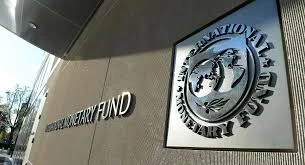
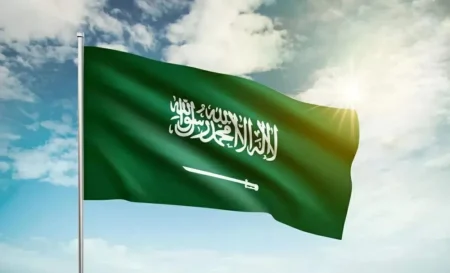
توقع صندوق النقد الدولي أن تشهد السعودية، أكبر مصدر للنفط في العالم وأكبر اقتصاد في العالم العربي، نمواً بنسبة 3.1% في عام 2026، لتكون أقل تأثراً بالحرب الأمريكية الإسرائيلية ضد إيران، مقارنة بجيرانها في الخليج.
وقال الصندوق، في أحدث تقرير له عن آفاق الاقتصاد العالمي: «من المتوقع أن تشهد منطقة الشرق الأوسط وشمال أفريقيا تباطؤاً حاداً في النمو هذا العام في ظل تداعيات الحرب على إيران».
إطالة أمد الصراع
وخفّض الصندوق توقعات نمو الناتج المحلي الإجمالي الحقيقي لمنطقة الشرق الأوسط إلى 1.1%، أي أقل من 2.8 نقطة مئوية عن توقعاته في يناير الماضي.
وأشار إلى أنه من المتوقع أن ينتعش النمو إلى 4.8% في عام 2027. لكنه أفاد أن تقديراته لعام 2027 تفترض عودة إنتاج الطاقة وحركة النقل في المنطقة إلى وضعهما الطبيعي خلال الأشهر القليلة القادمة. وذكر أن هذا الافتراض قد يحتاج إلى مراجعة إذا طال أمد الصراع.
وأفاد صندوق النقد الدولي أنه خفّض توقعاته للناتج المحلي الإجمالي لدول المنطقة بشكل كبير نتيجة تراجع الإنتاج والتصدير. وأضاف أن درجة الخفض اعتمدت على الأضرار التي لحقت ببنية تحتية للطاقة والنقل، فضلاً عن مدى الاعتماد على مضيق هرمز وتوفر طرق تصدير بديلة.
انكماش اقتصاد إيران
وتوقع الصندوق أن ينكمش الاقتصاد الإيراني بنسبة 6.1% في السنة المالية التي بدأت في 21 مارس الماضي، على أن ينتعش ويحقق نمواً بنسبة 3.2% في العام التالي. وكان من المتوقع قبل الحرب أن ينمو بنسبة 1.1% خلال هذه السنة المالية.
وتوقع الصندوق في التقرير انكماش اقتصادات البحرين والعراق والكويت وقطر هذا العام، دون تقديم تقديرات محددة.
ومن المقرر نشر تقرير منفصل وأكثر شمولاً عن التوقعات الاقتصادية لمنطقة الشرق الأوسط في 16 أبريل الجاري.
The International Monetary Fund expects Saudi Arabia, the world’s largest oil exporter and the largest economy in the Arab world, to grow by 3.1% in 2026, making it less affected by the U.S.-Israeli war against Iran compared to its Gulf neighbors.
The Fund stated in its latest report on global economic prospects: “The Middle East and North Africa region is expected to experience a sharp slowdown in growth this year due to the repercussions of the war on Iran.”
Prolonging the Conflict
The Fund has lowered its real GDP growth forecast for the Middle East to 1.1%, which is 2.8 percentage points lower than its forecasts in January.
It indicated that growth is expected to rebound to 4.8% in 2027. However, it noted that its estimates for 2027 assume a return to normal energy production and transportation in the region within the next few months. It mentioned that this assumption may need to be revised if the conflict persists.
The International Monetary Fund reported that it has significantly reduced its GDP forecasts for the countries in the region due to a decline in production and exports. It added that the extent of the reduction depended on the damage to energy and transportation infrastructure, as well as the degree of reliance on the Strait of Hormuz and the availability of alternative export routes.
Contraction of Iran’s Economy
The Fund expects the Iranian economy to contract by 6.1% in the fiscal year that began on March 21, with a rebound and growth of 3.2% in the following year. Before the war, it was expected to grow by 1.1% during this fiscal year.
The Fund projected in the report a contraction in the economies of Bahrain, Iraq, Kuwait, and Qatar this year, without providing specific estimates.
A separate and more comprehensive report on the economic outlook for the Middle East is scheduled to be published on April 16.