


 اختر منطقتك
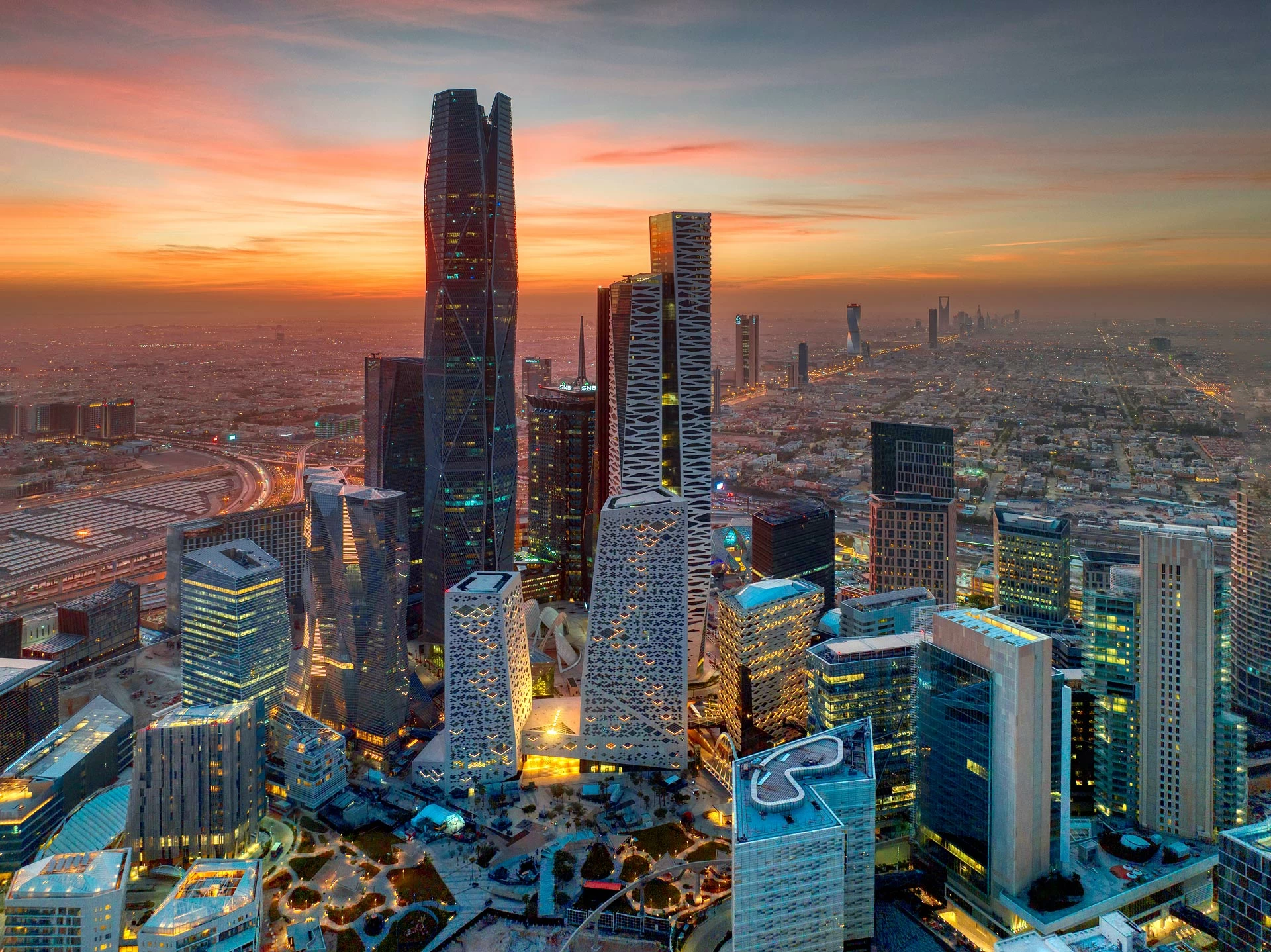
توقع البنك الدولي أن يسجل الاقتصاد السعودي نمواً قوياً بنسبة 7.9% خلال العام القادم 2027، رافعاً تقديراته بنحو 3 نقاط مئوية مقارنة بتوقعاته الصادرة في أبريل الماضي، التي رجحت نمواً بنسبة 4.9%.
وبحسب تقرير التحديث الاقتصادي لمنطقة الشرق الأوسط وشمال أفريقيا وأفغانستان وباكستان، استفادت السعودية من خط أنابيب «شرق – غرب»، الذي أتاح لها إعادة توجيه صادراتها إلى ميناء ينبع على البحر الأحمر.
التداعيات الاقتصادية لصراع الشرق الأوسط
وأشار البنك إلى أن التداعيات الاقتصادية للصراع في منطقة الشرق الأوسط تركزت بصورة أكبر في اقتصادات دول الخليج، مع تفاوت حجم التأثير بينها، لافتاً إلى أن مدى تأثر خطوط الشحن، والأضرار التي لحقت بالبنية التحتية للطاقة، والقدرة على إعادة توجيه الصادرات، شكلت عوامل حاسمة في النشاط الاقتصادي.
وتوقع انكماش الناتج المحلي الإجمالي لدول مجلس التعاون الخليجي بنسبة 4.3% خلال 2026، في ظل الانخفاضات الحادة في إنتاج وتصدير المواد الهيدروكربونية عقب إغلاق مضيق هرمز، إلى جانب التداعيات على قطاعات السياحة والخدمات اللوجستية والطيران.
The World Bank expects the Saudi economy to record strong growth of 7.9% during the coming year 2027, raising its estimates by about 3 percentage points compared to its forecasts issued last April, which anticipated growth of 4.9%.
Conversely, the bank lowered its forecasts for the performance of the Saudi economy during the current year 2026, predicting a contraction of real GDP by 2%, compared to previous forecasts in April that projected growth of 3.1%, a difference of 5.1 percentage points.
According to the economic update report for the Middle East, North Africa, Afghanistan, and Pakistan, Saudi Arabia benefited from the “East-West” pipeline, which allowed it to redirect its exports to the port of Yanbu on the Red Sea.
The bank noted that the economic repercussions of the conflict were more concentrated in the economies of the Gulf states, with varying degrees of impact among them, pointing out that the extent of disruption to shipping lines, the damage to energy infrastructure, and the ability to redirect exports were critical factors in economic activity.
A contraction of 4.3% in the GDP of the Gulf Cooperation Council countries is expected during 2026, amid sharp declines in the production and export of hydrocarbons following the closure of the Strait of Hormuz, along with repercussions on the tourism, logistics, and aviation sectors.
The World Bank’s estimates for Saudi economic growth in 2027 at 7.9% are lower than the estimates of the Ministry of Finance, which predicted in its 2027 budget statement a growth of real GDP for the Kingdom of 12.8%, compared to an expected decline of 3.6% during the current year.