


 اختر منطقتك
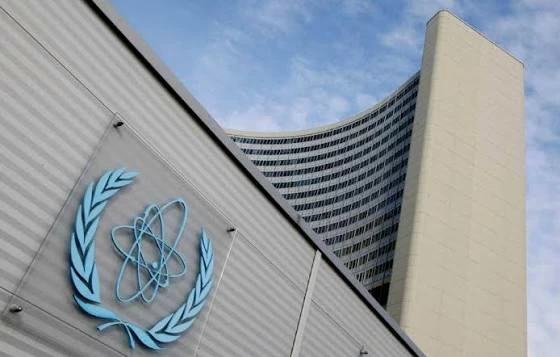
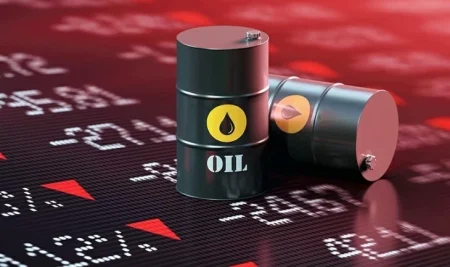
توقعت وكالة الطاقة الدولية أن يتراجع الطلب العالمي على النفط هذا العام بأكثر مما كان متوقعاً في السابق، مع تعمق تداعيات إغلاق مضيق هرمز.
وقالت الوكالة في تقرير لها: «إن الطلب العالمي على النفط سينخفض بمقدار 1.6 مليون برميل يومياً خلال 2026، وهو انخفاض يزيد بنحو 510 آلاف برميل يومياً على توقعاتها الشهرية السابقة الصادرة في يوليو الماضي».
وأوضحت الوكالة أن ارتفاع أسعار الوقود سيواصل الضغط على الاستهلاك، رغم توقعاتها بانتعاش الطلب تدريجياً خلال العام وعودته إلى النمو في الربع الأخير، وفقاً لتقرير نشرته شبكة «CNBC» الأمريكية، واطلعت عليه «العربية Business».
الإمدادات العالمية
وأضافت وكالة الطاقة الدولية: «إن تجدد الأعمال القتالية والاضطرابات البحرية يقوضان الجهود الرامية إلى تعزيز إمدادات النفط العالمية، التي ظلت في يوليو أقل بنحو 6.3 مليون برميل يومياً مقارنة بالشهر نفسه من العام الماضي.
وكان صندوق النقد الدولي قد خفض توقعاته لنمو الاقتصاد العالمي خلال العام إلى 3% من 3.3% منذ اندلاع الحرب الإيرانية في فبراير.
وأفادت المديرة العامة لصندوق النقد الدولي كريستالينا غورغييفا، في وقت سابق من العام، أن «جميع الطرق تؤدي الآن إلى ارتفاع الأسعار وتباطؤ النمو».
The International Energy Agency has predicted that global oil demand will decline this year more than previously expected, as the repercussions of the closure of the Strait of Hormuz deepen.
The agency stated in its report: “Global oil demand is expected to decrease by 1.6 million barrels per day during 2026, which is a decline of about 510,000 barrels per day compared to its previous monthly forecasts issued last July.”
The agency explained that rising fuel prices will continue to pressure consumption, despite its expectations for a gradual recovery in demand throughout the year and a return to growth in the fourth quarter, according to a report published by the American network “CNBC,” which was reviewed by “Al Arabiya Business.”
Global Supplies
The International Energy Agency added: “The resurgence of hostilities and maritime disruptions are undermining efforts to boost global oil supplies, which remained about 6.3 million barrels per day lower in July compared to the same month last year.”
The International Monetary Fund had lowered its forecasts for global economic growth this year to 3% from 3.3% since the outbreak of the Iranian war in February.
The Managing Director of the International Monetary Fund, Kristalina Georgieva, stated earlier this year that “all roads now lead to rising prices and slowing growth.”