


 اختر منطقتك
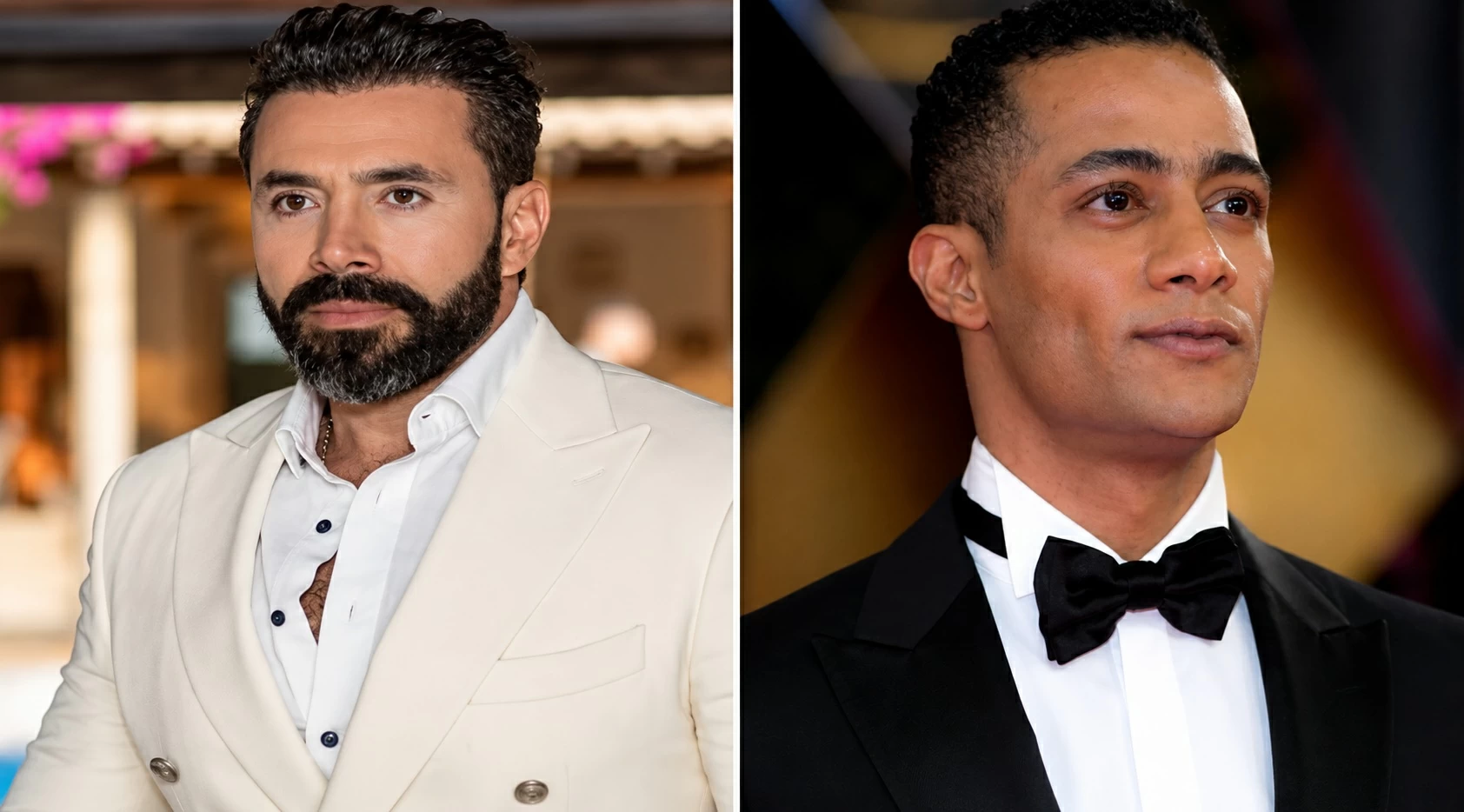
كشف الفنان المصري رامي وحيد عن كواليس اعتذاره عن بطولة فيلم الألماني قبل 14 عامًا، موضحًا أنه كان المرشح الأول للعمل، لكنه قرر الانسحاب بعد اليوم الأول من التصوير، ليحلّ محمد رمضان مكانه في الفيلم الذي أصبح لاحقًا محطة بارزة في مسيرة رمضان الفنية.
وقال وحيد في تصريحات تلفزيونية: إن فكرة الفيلم جذبته في البداية، لكنه تراجع سريعًا بعدما شعر أن العمل يقدّم رسالة لا يرغب في أن يكون جزءًا منها، موضحًا أنه رفض المشاركة في أي مشروع يراه داعمًا لفكرة البلطجة، حتى لو كان مرشحًا لتحقيق نجاح كبير. وأضاف أن المخرج تقبّل قراره وقال له: «تمام، مفيش مشكلة، هجيب حد تاني»، قبل أن يستعين بمحمد رمضان الذي كان وقتها من الوجوه الصاعدة.
ونفى وحيد ما يُشاع عن اعتزاله، مؤكدًا أنه لم يبتعد عن الفن، وأن وجوده في الولايات المتحدة لا يعني توقفه عن العمل، مشيرًا إلى احتمالية عودته قريبًا للمشاركة في عمل يُعرض خلال موسم رمضان المقبل.
وتحدث أيضًا عن حياته الشخصية، موضحًا أن سنوات عزوبيته الطويلة ارتبطت برعايته لوالدته المريضة، معتبرًا أن الزواج قرار يرتبط بالتوقيت والنصيب، وأن العزوبية رغم حرية أصحابها تبقى صعبة على أي شخص.
يُذكر أن رامي وحيد قدّم، خلال مسيرته، عددًا من الأعمال السينمائية والتلفزيونية؛ من بينها حلم العمر، بنتين من مصر، عمر وسلمى، ماتيجي نرقص، إضافة إلى مشاركته في مسلسلات بارزة مثل سلسال الدم، أزمة نسب، رأس الغول، الزيبق، وموسى.
The Egyptian artist Rami Wahid revealed the behind-the-scenes of his withdrawal from the lead role in the film “The German” 14 years ago, explaining that he was the first candidate for the role, but he decided to withdraw after the first day of filming, allowing Mohamed Ramadan to take his place in the film, which later became a significant milestone in Ramadan’s artistic career.
Wahid stated in television remarks that the idea of the film initially attracted him, but he quickly reconsidered after feeling that the project conveyed a message he did not want to be a part of, clarifying that he refused to participate in any project he saw as supportive of the idea of thuggery, even if it was likely to achieve great success. He added that the director accepted his decision and told him: “Okay, no problem, I’ll bring someone else,” before turning to Mohamed Ramadan, who was then an emerging face in the industry.
Wahid denied the rumors about his retirement, affirming that he has not distanced himself from art, and that his presence in the United States does not mean he has stopped working, pointing to the possibility of his return soon to participate in a project scheduled for the upcoming Ramadan season.
He also spoke about his personal life, explaining that his long years of bachelorhood were tied to caring for his sick mother, considering that marriage is a decision related to timing and fate, and that despite the freedom of those who are single, it remains difficult for anyone.
It is worth noting that Rami Wahid has presented, throughout his career, a number of cinematic and television works, including “The Dream of a Lifetime,” “Two Girls from Egypt,” “Omar and Salma,” “Shall We Dance,” in addition to his participation in prominent series such as “Salsal Al-Dam,” “A Crisis of Lineage,” “Ras Al-Ghoul,” “Al-Zaybaq,” and “Mousa.”