


 اختر منطقتك
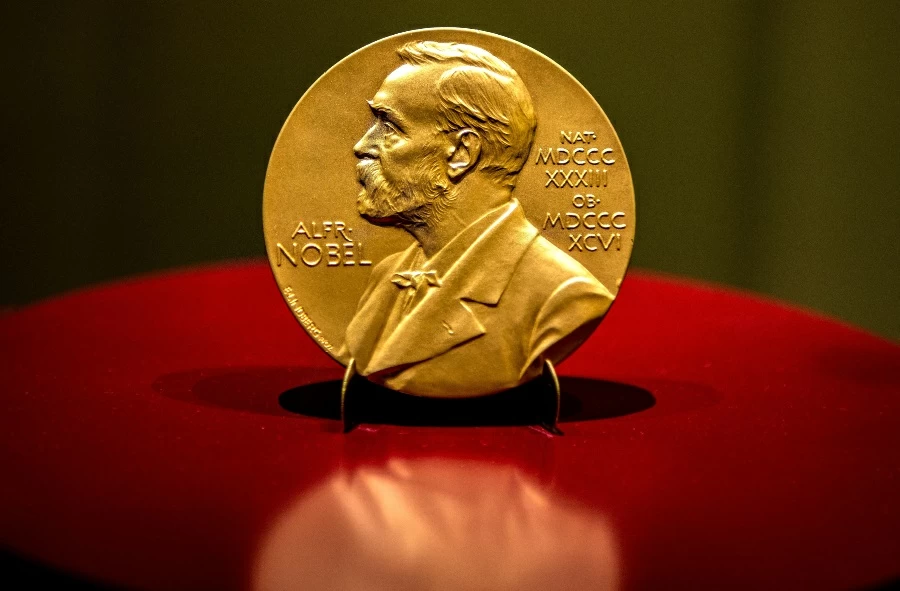
مع اقتراب موعد الإعلان عن الفائز بجائزة نوبل في الأدب غدًا الخميس، تتجه أنظار الأوساط الثقافية حول العالم إلى الأكاديمية السويدية، بانتظار اسم جديد ينضم إلى قائمة كبار الأدباء الذين حملوا واحدة من أرفع الجوائز العالمية.
لكن تاريخ نوبل الأدبية لا يُكتب بأسماء الفائزين فقط؛ فخلف الميدالية والشهادة وحفل التتويج، تمتد حكايات من الرفض والضغوط السياسية والجدل الثقافي، وصولًا إلى أزمة داخل الأكاديمية نفسها أدت إلى غياب الجائزة في أحد الأعوام.
ومنذ انطلاق الجائزة، ظلت اختياراتها وقراراتها محل نقاش، وفي بعض الأحيان تحولت الجائزة من لحظة احتفاء أدبي إلى قصة تتصدر عناوين الصحف.
هامسون.. نوبل في مواجهة إرث سياسي مثير للجدل
في عام 1920، حصل الكاتب النرويجي كنوت هامسون على جائزة نوبل في الأدب عن روايته (ثمار الأرض)، ليصبح واحدًا من أبرز الأسماء الأدبية في عصره. لكن صورة الكاتب تغيرت لاحقًا بسبب مواقفه السياسية خلال الحرب العالمية الثانية، بعدما أبدى تعاطفًا مع ألمانيا النازية وأيّد الاحتلال الألماني لبلاده.
وفي عام 1943، أرسل هامسون ميداليته الذهبية إلى وزير الدعاية النازي يوزف غوبلز هدية، كما التقى الزعيم النازي أدولف هتلر خلال الحرب. وبعد انتهاء الحرب، خضع الكاتب للمحاكمة في النرويج، وكان قد تجاوز الثمانين من عمره. ودافع عن مواقفه بالقول إنه كان يخشى الاحتلال البريطاني أكثر من الألماني. وبسبب تقدمه في السن، لم يُزج به في السجن، لكنه أُلزم بدفع غرامة مالية كبيرة، فيما تعرضت أعماله وعائلته لتداعيات مواقفه.
سارتر.. الجائزة التي لم تدخل خزائنه
بعد أكثر من أربعة عقود، جاءت واحدة من أشهر حكايات الرفض في تاريخ نوبل. في عام 1964، أعلنت الأكاديمية السويدية منح جائزة نوبل في الأدب للكاتب والفيلسوف الفرنسي جان بول سارتر، لكنه اختار رفضها.
لم يكن القرار مفاجئًا تمامًا؛ فسارتر كان يرفض من حيث المبدأ التكريمات الرسمية، وسبق له أن رفض وسام جوقة الشرف الفرنسي. ورأى الفيلسوف اليساري أن قبول الجائزة قد يضعه في موقع لا يريده، وأن التكريمات الرسمية قد تمنح المؤسسة المانحة تأثيرًا رمزيًا على صاحبها. وبذلك أصبح سارتر أول فائز بجائزة نوبل في الأدب يرفضها طوعًا، وظل اسمه مرتبطًا بها رغم عدم تسلمه الميدالية أو الجائزة المالية.
باسترناك.. حين تحولت الجائزة إلى ضغط سياسي
في عام 1958، انتقلت قصة الجدل إلى الاتحاد السوفيتي، عندما مُنحت جائزة نوبل في الأدب للكاتب والشاعر الروسي بوريس باسترناك. وكانت روايته الشهيرة (دكتور جيفاغو) السبب الأبرز في تصاعد الأزمة؛ إذ اعتبرتها السلطات السوفيتية عملًا معاديًا للنظام.
في البداية، قبل باسترناك الجائزة، لكن الضغوط التي تعرض لها دفعته لاحقًا إلى إرسال رسالة إلى الأكاديمية السويدية يعلن فيها رفضها.
وبعد عقود، وتحديدًا عام 1989، تسلّم ابنه يفغيني باسترناك ميدالية والده ودبلومه في ستوكهولم نيابة عنه، في مشهد أعاد إحياء واحدة من أكثر قصص نوبل الأدبية ارتباطًا بالصراع بين الأدب والسياسة.
بوب ديلان.. هل الأغنية أدب؟
وفي عام 2016، جاء جدل من نوع مختلف تمامًا؛ عندما أعلنت الأكاديمية السويدية منح جائزة نوبل في الأدب للمغني وكاتب الأغاني الأمريكي بوب ديلان، انقسمت الآراء حول القرار.
السؤال الذي تردد حينها كان بسيطًا لكنه عميق: هل يمكن أن تصل كلمات الأغاني إلى مكانة الأدب الذي اعتادت الجائزة تكريمه؟
الأكاديمية أجابت بنعم، ومنحت ديلان الجائزة تقديرًا لابتكاره تعبيرات شعرية جديدة ضمن التقليد الغنائي الأمريكي. لكن الجدل لم يتوقف عند اختيار الفائز؛ فقد أثيرت لاحقًا تساؤلات حول أجزاء من محاضرته الخاصة بنوبل، بعد رصد تشابهات مع مواد منشورة على الإنترنت تتناول بعض الأعمال الأدبية التي تحدث عنها. كما لم يحضر ديلان مراسم تسليم الجائزة في ستوكهولم، قبل أن يتسلمها لاحقًا خلال وجوده في العاصمة السويدية لإحياء حفل موسيقي.
2018.. عام غابت فيه نوبل الأدب
لكن الأزمة الأكبر لم تكن مرتبطة بفائز بعينه، بل بالمؤسسة التي تختار الفائز. ففي عام 2018، أعلنت الأكاديمية السويدية تأجيل منح جائزة نوبل في الأدب، في سابقة مرتبطة بأزمة داخلية هزت المؤسسة.
بدأت الأزمة بعد اتهامات بالتحرش والاعتداء الجنسي وُجهت إلى المصور والمخرج المسرحي جان كلود أرنو، زوج الشاعرة السويدية كاتارينا فروستنسون، التي كانت عضوًا في الأكاديمية. وتعقدت القضية مع ظهور ادعاءات أخرى، بينها تسريب أسماء بعض الفائزين قبل الإعلان الرسمي عنها، إلى جانب مزاعم بوقوع بعض حوادث التحرش في أماكن مرتبطة بالأكاديمية. ونفى أرنو الاتهامات، لكن تداعيات الأزمة امتدت إلى داخل الأكاديمية نفسها، وانتهت بخروج عدد من أعضائها من المؤسسة، من بينهم فروستنسون، إضافة إلى استقالة الأمينة الدائمة للأكاديمية سارة دانيوس.
وفي النهاية، كان لا بد من تأجيل إعلان جائزة الأدب لعام 2018، قبل أن تُعلن لاحقًا إلى جانب جائزة عام 2019.
جائزة واحدة.. وحكايات لا تنتهي
وبين كاتب ارتبط اسمه بمواقف سياسية مثيرة للجدل، وفيلسوف رفض التكريم، وأديب اضطر إلى التخلي عن جائزته تحت الضغط، ومغنٍ أعاد تعريف حدود الأدب، وأزمة مؤسسية أدت إلى تأجيل الجائزة، تبدو نوبل الأدبية أكثر من مجرد لحظة سنوية للإعلان عن اسم فائز جديد.
فالجائزة التي تمنح لتكريم الأدب صنعت، على مدار تاريخها، قصصًا لا تقل إثارة عن الأعمال التي كُرّم أصحابها من أجلها؛ وهو ما يجعل إعلان الفائز الجديد في كل عام بداية لحكاية جديدة، وليس مجرد نهاية لمنافسة أدبية.
As the announcement of the Nobel Prize winner in Literature approaches tomorrow, Thursday, the cultural circles around the world are turning their eyes to the Swedish Academy, awaiting a new name to join the list of great writers who have received one of the highest global awards.
However, the history of the Nobel Prize in Literature is not written solely with the names of the winners; behind the medal, the certificate, and the coronation ceremony, there are stories of rejection, political pressures, and cultural controversies, culminating in a crisis within the Academy itself that led to the absence of the award in one of the years.
Since the inception of the prize, its choices and decisions have remained a topic of discussion, and at times, the award has transformed from a moment of literary celebration into a story that dominates the headlines.
Hamsun.. Nobel in the Face of Controversial Political Legacy
In 1920, Norwegian writer Knut Hamsun was awarded the Nobel Prize in Literature for his novel (Hunger), becoming one of the most prominent literary figures of his time. However, the writer’s image later changed due to his political stances during World War II, as he expressed sympathy for Nazi Germany and supported the German occupation of his country.
In 1943, Hamsun sent his gold medal to Nazi propaganda minister Joseph Goebbels as a gift, and he met with Nazi leader Adolf Hitler during the war. After the war ended, the writer was put on trial in Norway, having surpassed eighty years of age. He defended his positions by stating that he feared British occupation more than the German one. Due to his advanced age, he was not imprisoned but was required to pay a large fine, while his works and family faced repercussions due to his stances.
Sartre.. The Prize That Did Not Enter His Coffers
More than four decades later, one of the most famous stories of rejection in Nobel history emerged. In 1964, the Swedish Academy announced the awarding of the Nobel Prize in Literature to French writer and philosopher Jean-Paul Sartre, but he chose to decline it.
The decision was not entirely surprising; Sartre had a principled refusal of official honors and had previously turned down the French Legion of Honor. The leftist philosopher believed that accepting the prize could place him in a position he did not want, and that official honors could give the awarding institution symbolic influence over the recipient. Thus, Sartre became the first Nobel Prize winner in Literature to voluntarily reject it, and his name remained associated with it despite not receiving the medal or the monetary award.
Boris Pasternak.. When the Prize Became Political Pressure
In 1958, the story of controversy moved to the Soviet Union when the Nobel Prize in Literature was awarded to Russian writer and poet Boris Pasternak. His famous novel (Doctor Zhivago) was the primary reason for the escalation of the crisis; the Soviet authorities considered it an anti-regime work.
Initially, Pasternak accepted the prize, but the pressures he faced later led him to send a letter to the Swedish Academy announcing his rejection of it.
Decades later, specifically in 1989, his son Evgeny Pasternak received his father’s medal and diploma in Stockholm on his behalf, in a scene that revived one of the most closely related stories of the Nobel Prize in Literature to the conflict between literature and politics.
Bob Dylan.. Is Song Literature?
In 2016, a completely different kind of controversy arose when the Swedish Academy announced the awarding of the Nobel Prize in Literature to American singer-songwriter Bob Dylan, leading to divided opinions on the decision.
The question that echoed at the time was simple yet profound: Can song lyrics reach the status of literature that the prize has traditionally honored?
The Academy answered in the affirmative, awarding Dylan the prize in recognition of his creation of new poetic expressions within the American musical tradition. However, the controversy did not stop at the selection of the winner; later questions arose regarding parts of his Nobel lecture, after similarities were noted with materials published online discussing some of the literary works he mentioned. Dylan also did not attend the award ceremony in Stockholm, later receiving it during his presence in the Swedish capital for a musical concert.
2018.. The Year Literature Nobel Was Absent
However, the biggest crisis was not related to a specific winner, but to the institution that selects the winner. In 2018, the Swedish Academy announced the postponement of the Nobel Prize in Literature, a precedent linked to an internal crisis that shook the institution.
The crisis began after accusations of harassment and sexual assault were directed at photographer and theater director Jean-Claude Arnault, the husband of Swedish poet Katarina Frostenson, who was a member of the Academy. The case became more complicated with the emergence of other allegations, including the leaking of names of some winners before the official announcement, as well as claims of harassment incidents occurring in places associated with the Academy. Arnault denied the accusations, but the repercussions of the crisis extended to the Academy itself, resulting in the departure of several of its members from the institution, including Frostenson, in addition to the resignation of the Academy’s permanent secretary, Sara Danius.
In the end, it was necessary to postpone the announcement of the 2018 Literature Prize, before it was later announced alongside the 2019 Prize.
One Prize.. And Endless Stories
Between a writer associated with controversial political stances, a philosopher who rejected honors, a writer forced to relinquish his prize under pressure, a singer who redefined the boundaries of literature, and an institutional crisis that led to the postponement of the prize, the Nobel Prize in Literature appears to be more than just an annual moment to announce a new winner.
The prize, which is awarded to honor literature, has created, throughout its history, stories that are no less exciting than the works for which their authors were honored; this makes the announcement of the new winner each year the beginning of a new story, not just the end of a literary competition.