



 اختر منطقتك
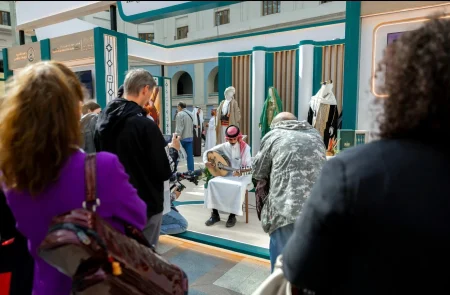
جدّد مهرجان الديودراما 2 في منطقة الباحة، الذي أقامته جمعية المسرح والفنون الأدائية، برعاية أمير منطقة الباحة الأمير الدكتور حسام بن سعود بن عبدالعزيز، حيوية (أبو الفنون) طيلة خمسة أيام، تابع خلالها نُقاد وجمهور عروضاً مسرحية وندوات وحوارات وفنوناً أدائية وتشكيلية وبصريّة ومسرح عرائس ومعارض، ومنافسة على البطولة (الثنائية). وعزّزت جمعية المسرح بالمهرجان دور فرع جمعية الثقافة والفنون باعتبارها (بيت خبرة)، شأن بقية الفروع في المناطق؛ في ظل ما تضطلع به جمعية المسرح والفنون الأدائية، من مزيد تفعيل لأدوار فروع جمعية الثقافة والفنون في المناطق السعودية عبر مشاريع ومبادرات تنتقل بها من مدينة إلى أخرى، ومن منطقة إلى أختها، مستثمرةً ما تهيأ لها من إمكانات وشراكات وكوادر بشرية.
وعدّ الرئيس التنفيذي لجمعية المسرح والفنون الأدائية خالد الباز المهرجان تظاهرة ثقافية؛ غايتها أوسع من تنظيم فعاليات أو تقديم العروض المسرحية، موضحاً ما للندوات والحوارات وجلسات النقد التفاعلية من أثر يتمثل في اكتساب المزيد من المهارات والمواهب والخبرات، وإتاحة الفرص للشباب خصوصاً ذوي الاحتياجات الخاصة، وتمكين المسرحيين في جميع أنحاء الوطن.
وأكد مدير فرع جمعية الثقافة والفنون في منطقة الباحة الدكتور علي بن خميس البيضاني، أن مبادرة جمعية المسرح والفنون الأدائية تُذكر وتشكر، بما قدمته من دور تكاملي بين مؤسسات المجتمع المدني، مثمناً حرص الإدارة على توزيع فعالياتهم وفق معايير عادلة، والانتقال بها من منطقة إلى أخرى، ما يسهم في توسيع دائرة الاستقطاب ونشر الثقافة وخدمة المستفيد. وتطلّع البيضاني إلى أن تعيد وزارة الثقافة النظر في آلية وطريق الوصول للمثقفين والفنانين بما يختصر المسافة ويعزز الجودة، والعمل على تحديث الآليات بما يتوازى مع النقلة الكبيرة لرؤية المملكة.
ويرى المسرحي فهد الحوشاني أن هناك دوراً تكاملياً بين جمعية المسرح والفنون الأدائية، وجمعية الثقافة والفنون؛ بما تملكه الأولى من إمكانات؛ وما تزخر به جمعية الثقافة من كوادر بشرية قادرة على تنفيذ المهرجانات بشكل احترافي نظراً للخبرة، وذهب إلى أن المهرجان فرصة للمسرحيين للمشاركة بالعروض المسرحية والتنافس، لافتاً إلى أن تعافي المسرح يحتاج إلى إعادة النظر في الإستراتيجية المسرحية، عبر آلية مسح منتظم ورؤية واضحة في تحقيق تطلعات المسرحيين وتحقيق رؤية الوطن أيضاً فيما يتعلق بالثقافة، وعدّ دور هيئة المسرح ووزارة الثقافة جيداً إلا أنها لا تحقق ما يطمح إليه المسرحيون.
فيما أكد عرّاب المسرح السعودي فهد ردة الحارثي إيجابية المهرجان، كونه نجح في توظيف خبرات جمعية الثقافة والفنون وفروعها باعتبارها (بيوت خبرة)، وأضاف أن جمعية المسرح نفّذت عبر فروع الجمعية برامج وأنشطة حققت تكاملاً جميلاً كونها جهة تنتج وتنظم النشاط المسرحي بشكل شبه مستقل، إلى أن تصبح شريكاً محلياً ومنصة تنفيذ واحتضان وبناء جمهور ومواهب ضمن منظومة أوسع يقودها القطاع المتخصص. وأوضح الحارثي أن فروع جمعية الثقافة والفنون تحمّلتْ مع قطاعات عدة عبء الحراك المسرحي المحلي، إلى أن أُعلنت جمعية المسرح والفنون الأدائية، وهيئة المسرح والفنون الأدائية فتم إعادة توزيع الأدوار بصورة تكاملية، لخدمة المسرح، لافتاً إلى أن التعافي يحتاج إلى مواسم مسرحية مستمرة توفر له الاستقرار والثبات وبناء حالة استدامة للفعل المسرحي، ما يحتاج لجهود كبيرة وتضافر للارتقاء بحالة كاملة تبدأ من مبنى المسرح ولا تنتهي بعروض مستدامة قادرة على الثبات والاستمرار.
The 2nd Diadrama Festival in the Al-Baha region, organized by the Theater and Performing Arts Association under the patronage of the Prince of Al-Baha, Prince Dr. Hussam bin Saud bin Abdulaziz, renewed the vitality of (the father of arts) for five days, during which critics and audiences followed theatrical performances, seminars, dialogues, performing arts, visual arts, puppet theater, exhibitions, and a competition for the (duo championship). The Theater Association enhanced the role of the branch of the Culture and Arts Association at the festival, considering it a (house of expertise), like the other branches in the regions; in light of what the Theater and Performing Arts Association is undertaking to further activate the roles of the branches of the Culture and Arts Association in Saudi regions through projects and initiatives that move from one city to another, and from one region to another, utilizing the available resources, partnerships, and human capital.
The CEO of the Theater and Performing Arts Association, Khalid Al-Baz, considered the festival a cultural event; its goal is broader than organizing activities or presenting theatrical performances, explaining the impact of seminars, dialogues, and interactive critique sessions in acquiring more skills, talents, and experiences, and providing opportunities for youth, especially those with special needs, and empowering theater practitioners across the nation.
Dr. Ali bin Khamees Al-Baydhani, the director of the branch of the Culture and Arts Association in the Al-Baha region, confirmed that the initiative of the Theater and Performing Arts Association is commendable for its role in creating a complementary relationship between civil society institutions, appreciating the administration’s commitment to distributing their activities according to fair criteria, and moving them from one region to another, which contributes to expanding the scope of attraction and spreading culture and serving beneficiaries. Al-Baydhani looked forward to the Ministry of Culture reconsidering the mechanisms and ways to reach intellectuals and artists in a way that shortens the distance and enhances quality, and working on updating the mechanisms in line with the significant shift of the Kingdom’s vision.
The theater practitioner Fahd Al-Hoshani believes that there is a complementary role between the Theater and Performing Arts Association and the Culture and Arts Association; due to the former’s capabilities and the latter’s rich human resources capable of executing festivals professionally due to their experience. He stated that the festival is an opportunity for theater practitioners to participate in theatrical performances and compete, noting that the recovery of theater requires a reconsideration of the theatrical strategy through a regular survey mechanism and a clear vision to achieve the aspirations of theater practitioners and the nation’s vision regarding culture, considering the role of the Theater Authority and the Ministry of Culture to be good, but it does not achieve what theater practitioners aspire to.
Meanwhile, the architect of Saudi theater, Fahd Redha Al-Harithi, confirmed the positivity of the festival, as it succeeded in utilizing the experiences of the Culture and Arts Association and its branches as (houses of expertise). He added that the Theater Association implemented programs and activities through the branches of the association that achieved a beautiful complementarity, as it is an entity that produces and organizes theatrical activity almost independently, to become a local partner and a platform for execution, nurturing, and building an audience and talents within a broader system led by the specialized sector. Al-Harithi clarified that the branches of the Culture and Arts Association, along with several sectors, bore the burden of local theatrical movement until the Theater and Performing Arts Association and the Theater Authority were announced, and roles were redistributed in a complementary manner to serve theater, noting that recovery requires continuous theatrical seasons that provide stability and sustainability for theatrical action, which needs significant efforts and collaboration to elevate the entire situation starting from the theater building and not ending with sustainable performances capable of stability and continuity.