


 اختر منطقتك
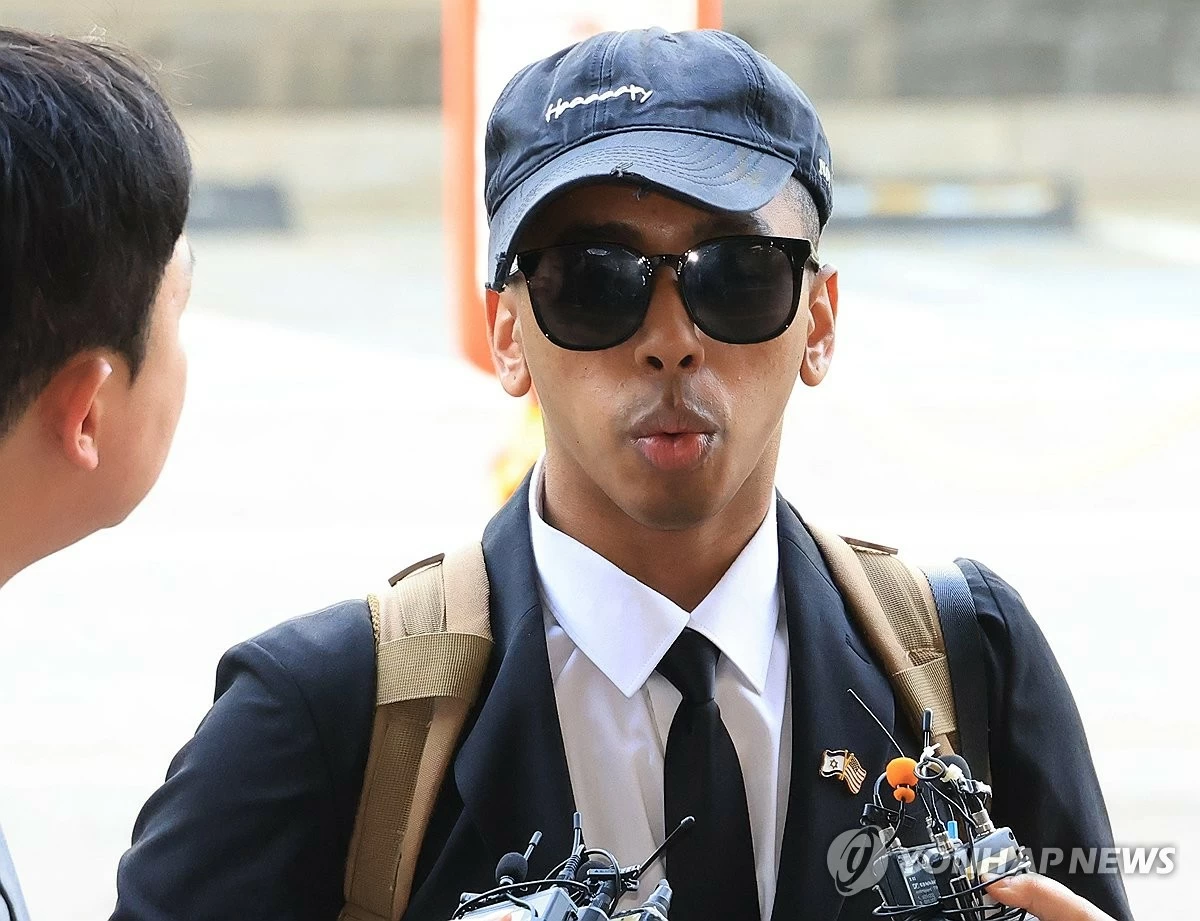
قضت محكمة في العاصمة الكورية الجنوبية سيول، بسجن صانع المحتوى الأمريكي جوني صومالي لمدة 6 أشهر، على خلفية واقعة أثارت جدلاً واسعاً تتعلق بسلوك اعتُبر مسيئاً لضحايا الحرب في البلاد.
الإخلال بالنظام
وبحسب ما أعلنته محكمة منطقة سيول الغربية، أُدين المتهم، واسمه الحقيقي رامسي خالد إسماعيل، بارتكاب مخالفات تتعلق بالإخلال بالنظام العام وعرقلة سير الأعمال، بعد سلسلة من الحوادث التي وقعت خلال وجوده في كوريا الجنوبية،التي كان ممنوعاً من مغادرتها أثناء سير الإجراءات القانونية بحقه.
الرقص مع تمثال
وتعود القضية إلى مقطع فيديو نشره في أكتوبر 2024، ظهر خلاله وهو يقبّل ويرقص بشكل استفزازي قرب تمثال تذكاري يُخلّد النساء الكوريات خلال فترة الاحتلال الياباني في الحرب العالمية الثانية.
وأثار الفيديو موجة غضب واسعة في كوريا الجنوبية، باعتبار أن التمثال رمزاً وطنياً لواحدة من أكثر القضايا التاريخية حساسية في البلاد.
وتم حذف المقطع لاحقاً من المنصات الرقمية، فيما قدّم المتهم اعتذاراً قال فيه إنه لم يكن على دراية بأهمية التمثال أو دلالته التاريخية. إلا أن الاعتذار لم يخفف من حدة الغضب الشعبي، إذ أفادت تقارير بأنه تعرض في بعض الحالات لمواجهات واعتداءات من قبل أفراد غاضبين من تصرفاته.
A court in the South Korean capital, Seoul, sentenced American content creator Johnny Somali to six months in prison, following a widely controversial incident related to behavior deemed offensive to war victims in the country.
Disruption of Public Order
According to the announcement from the Western Seoul District Court, the defendant, whose real name is Ramsey Khalid Ismail, was convicted of offenses related to public disorder and obstructing business operations, after a series of incidents that occurred during his time in South Korea, where he was prohibited from leaving while legal proceedings against him were ongoing.
Dancing with a Statue
The case dates back to a video he posted in October 2024, in which he was seen provocatively kissing and dancing near a memorial statue honoring Korean women during the Japanese occupation in World War II.
The video sparked widespread outrage in South Korea, as the statue is considered a national symbol of one of the country’s most sensitive historical issues.
The clip was later removed from digital platforms, while the defendant issued an apology stating that he was unaware of the statue’s significance or historical connotation. However, the apology did not alleviate the intensity of public anger, as reports indicated that he faced confrontations and assaults from individuals outraged by his actions in some instances.