

 اختر منطقتك
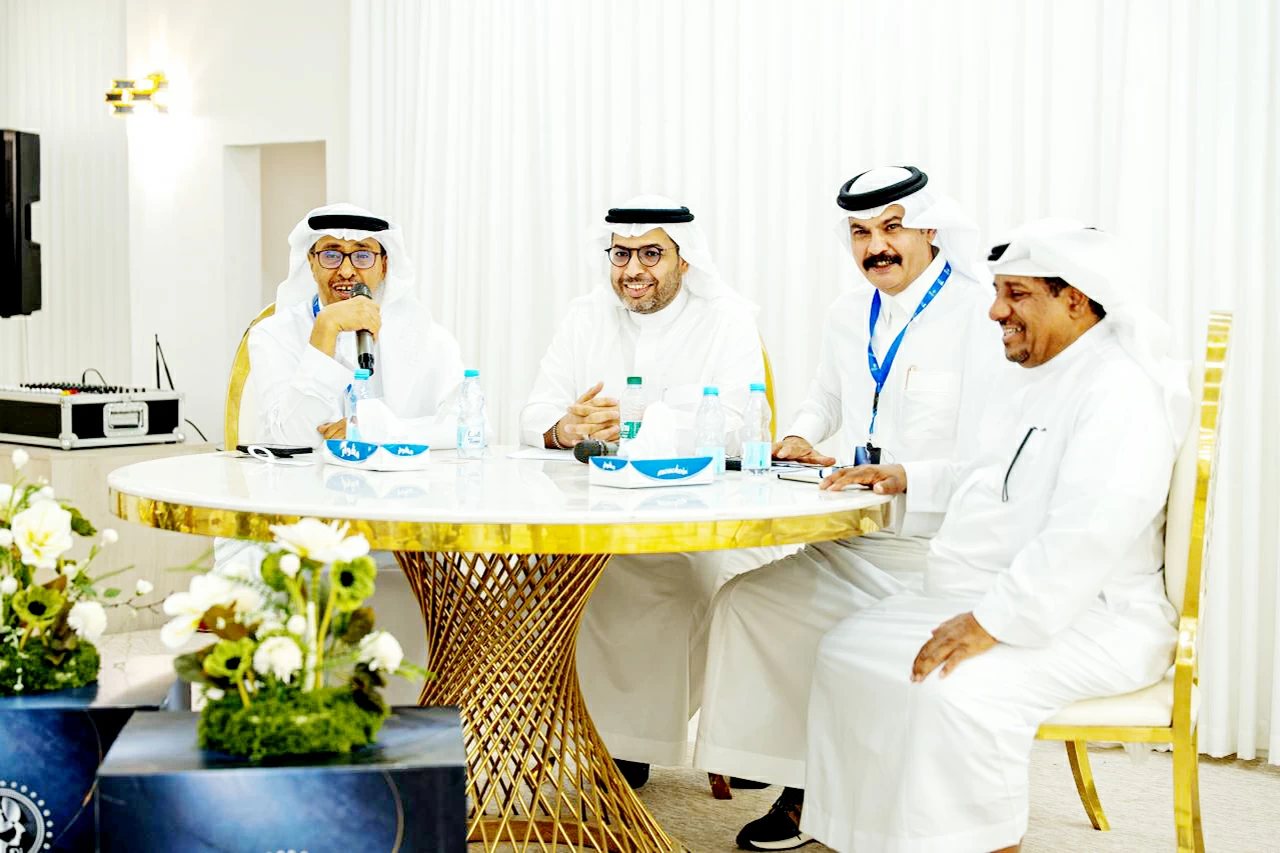
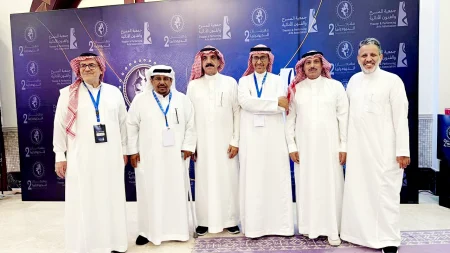
استعادت ندوة الديودراما 2 التي استضافتها جمعية المسرح والفنون الأدائية وقدّمها المسرحي ناصر العُمري، الثنائيات في الخطاب الثقافي والأدبي والفني منذ فجر التاريخ، بدءاً من القرآن الكريم، والقصائد، والأمثال الشعبية. وعدّ الروائي عبدالعزيز الصقعبي الثنائية من مظاهر الحياة والأدب، موضحاً أنها وردت في آيات قرآنية؛ الليل والنهار، السماء والأرض، كما وردت في أعمال مسرحية كاملة (مقاطع) أو فصول، وذهب إلى أن المسرح إما مونودراما أو مسرح، وعدّ من الثنائيات، تجربة الراحلَين حسن دردير ولطفي زيني «تحفة» و«مشقاص».
ويؤكد الباحث المسرحي علي السعيد أن تاريخ المسرح السعودي بحاجة لبحث وتوثيق، لافتاً إلى أن المسرح المدرسي قام على ممثلين اثنين فقط يحملان العمل الدرامي بالكامل من البداية إلى النهاية من خلال حوار متصاعد وصراع نفسي أو فكري، وعدّ منها «مسرحية بين جاهل ومتعلم» قدّمها التربوي صالح بن صالح في مدرسته الأهلية بعنيزة، ومثلها إبراهيم العلي الصويان، وإبراهيم الواصل، و«الشاهي والدارسين» وكتبها الدكتور حمد البسام، ويراها السعيد من نوع الدايودراما (ثنائية الممثلين)، وذهب إلى أن ملتقى الأمير فيصل بن خالد للدايودراما الأول الذي نظّمه فرع جمعية الثقافة والفنون في منطقة عسير عام 2012 لامس بوادر الاهتمام من قبل عدد من الفرق المسرحية في مختلف مناطق المملكة سواء الفرق الجامعية أو فرق جمعيات الثقافة والفنون أو فرق مسرح الشباب أو الفرق الأهلية الخاصة، عبر ستة عروض مسرحية.
ولفت المسرحي ياسر مدخلي إلى أن (الكوميديا الارتجالية التفاعلية) نجحت بوصفها نموذجاً للابتكار في الديودراما ؛ في الوصول إلى تشكيل جمهور أوسع للمسرح الثنائي، من دون التفريط في بنائها المسرحي. وتنطلق من معادلة «2+X» التي تبلورت داخل تجربة «مسرح كيف»: عبر ممثلين يحملان السياق الدرامي، وجمهور متغير يتداخل مع العرض عبر مناطق مشاركة محددة. وتقرأ الورقة الانتقال من «البرمائي» عام 2011 إلى «صادق النمك» عام 2023 في سلسلة تجارب منهجية اعتمدت على السؤال والتصميم والملاحظة والتعديل. وأدعو من خلالها إلى الابتكار الجريء والمدروس واختبار أفكار جديدة قابلة للتدريب والتوثيق والتطوير وتأصيل العلاقة بين التجديد والمتعة ومشاركة الجمهور.
The second DiDrama seminar, hosted by the Theater and Performing Arts Association and presented by theater artist Nasser Al-Omari, revisited the dualities in cultural, literary, and artistic discourse since the dawn of history, starting from the Holy Quran, poetry, and folk proverbs. Novelist Abdulaziz Al-Saqabi considered duality as one of the manifestations of life and literature, explaining that it appeared in Quranic verses; night and day, heaven and earth. It also appeared in complete theatrical works (scenes) or acts, and he argued that theater is either a monodrama or a play, counting the experiences of the late Hassan Dardir and Lotfi Zaini as examples of dualities with their works “Tuhfa” and “Mishqas”.
The theater researcher Ali Al-Saeed emphasized that the history of Saudi theater needs research and documentation, pointing out that school theater was based on only two actors carrying the entire dramatic work from beginning to end through escalating dialogue and psychological or intellectual conflict. He mentioned “A Play Between the Ignorant and the Educated,” presented by educator Saleh bin Saleh in his private school in Unaizah, with Ibrahim Al-Ali Al-Suwayan and Ibrahim Al-Wasil performing. He also referenced “Al-Shahi and the Students,” written by Dr. Hamad Al-Bassam, which Al-Saeed views as a type of diodrama (duo theater). He noted that the first Prince Faisal bin Khalid DiDrama Forum, organized by the Culture and Arts Association branch in the Asir region in 2012, touched on the beginnings of interest from several theater groups across various regions of the Kingdom, including university groups, culture and arts associations, youth theater groups, and private community groups, through six theatrical performances.
The theater artist Yasser Makhli pointed out that (interactive improvisational comedy) succeeded as a model of innovation in diodrama; in reaching a broader audience for duo theater, without compromising its theatrical structure. It starts from the equation “2+X,” which crystallized within the experience of “How Theater”: through actors carrying the dramatic context, and a changing audience interacting with the performance through specific areas of participation. The paper discusses the transition from “Amphibious” in 2011 to “Sadiq Al-Namak” in 2023 in a series of methodological experiences based on questioning, design, observation, and modification. It calls for bold and thoughtful innovation and testing new ideas that are trainable, documentable, and developable, reinforcing the relationship between renewal, enjoyment, and audience participation.