

 اختر منطقتك
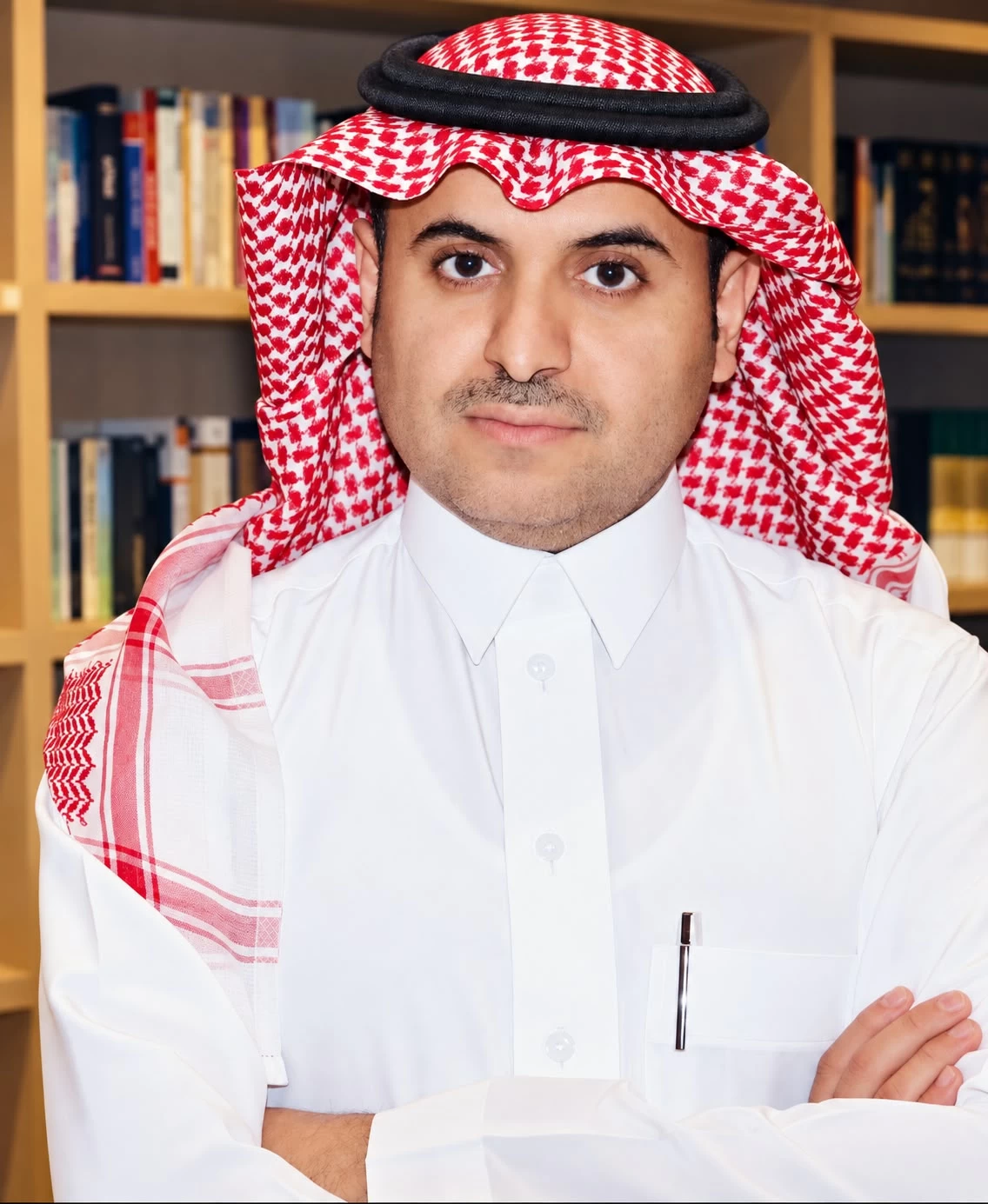
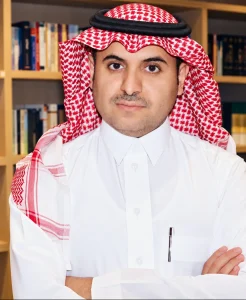
من سؤال يبدو مباشرًا: «من نحن؟»، يفتح كتاب الشاعر الكاتب المسرحي الدكتور صالح زمانان «أداء التاريخ واستدعاء الذات: خطاب الهُويّة في رؤية المملكة 2030 وتجلّياته في المسرح السعودي المعاصر» ملفًا يختبر الهُويّة خارج طمأنينة التعريفات الجاهزة، ويفتح مفهومها على طبقاته التاريخية والثقافية والمؤسسية والأدائية، متجاوزًا اختزاله في الانتماء أو الذاكرة. فالكتاب، وهو النسخة المحدّثة والمحررة والمزيدة من أطروحته لنيل الدكتوراه في فلسفة الدراما والنقد المسرحي مطلع 2026، يتتبّع انتقال الهُويّة من الوثيقة الوطنية الفارقة (رؤية 2030) إلى المؤسسة الثقافية والإنتاجية (وزارة الثقافة)، ثم إلى الجسد والصوت والصورة والضوء والزي والفضاء (المسرح والفنون الأدائية). وهذا الاشتغال البحثي الضخم يتوازى مع اتجاه زمانان في مشروعه الإبداعي نفسه؛ إذ يرى نقاد سعوديون وعرب أن مشروعه، الذي يقارب 30 عملًا مسرحيًّا وأدائيًّا، يقوم على الحفريات في تاريخ جزيرة العرب ومخيالها الشعري وتراثها السعودي، ثم يدفع بها إلى عروض معاصرة وغامرة واسعة النطاق. من هذه المنطقة المشتركة بين صرامة الباحث وحساسية المبدع، يقترح الكتاب قراءة للهُويّة السعودية باعتبارها فعلًا تاريخيًّا يتكوّن الآن، داخل مشروع وطني ينظر إلى الماضي بوصفه موردًا، وإلى المستقبل بوصفه مجال إنجازٍ وأفق سيادة.
الهُويّة مشروع يُنجَز
المفاجأة الأولى التي يضعها الكتاب أمام قارئه أن خطاب الهُويّة في الرؤية لا يتحرك بمنطق الحراسة وحدها، وإنما بمنطق البناء. وتكشف الدراسة، قبل الدخول في هندسة هذا التحول، توسّعًا لافتًا في تأطير مصادر الهُويّة السعودية؛ إذ يرسّخ خطاب الرؤية عمقها الإسلامي والعربي، ويستحضر، في الوقت نفسه، إرثها التاريخي والثقافي الوطني بما يحمله من امتداد حضاري وتنوّع محلي. فالسعودية، كما تكشفها الدراسة، تجسّد المساحة الكبرى من جزيرة العرب التاريخية، وتنتظم داخلها ثقافات القبيلة والبلدة والمنطقة، ويغتني نسيجها باختلاف اللهجات والعادات والتقاليد والفنون والطقوس وأنماط العيش. ومن هذا التكوين المركّب تتشكل هُويّة وطنية ذات نواة راسخة ومصادر متعددة: الإسلام، والعربية، والإرث التاريخي والثقافي السعودي. ويمنح المصدر الثالث خطاب الرؤية قدرةً أوسع على تمثيل البلاد في عمقها وتنوعها؛ إذ يغدو التراث المحلي، المادي وغير المادي، جزءًا من بناء الذات السعودية المعاصرة، وموردًا حيًا تستدعيه الثقافة والفنون في صياغة حضور المملكة داخلها وفي العالم. لا يظهر هذا الإرث بوصفه سجلًا للماضي، وإنما عصبًا حيًا في وثائق الرؤية وخطابها، يكشف المملكة بوصفها شبه قارة ثقافية؛ وحدتها الوطنية عميقة، وتنوعها الإقليمي كثيف المعنى، وكل إقليم فيها يضيف طبقة إلى الصورة الجامعة.

رؤية السعودية 2030: الهُويّة في قلب التحوّل
على هذا الأساس يقرأ زمانان وثائق الرؤية وبرامجها وتقاريرها بوصفها منظومة جعلت الهُويّة الوطنية جزءًا من هندسة التحول، وربطتها بمحاور «مجتمع حيوي، واقتصاد مزدهر، ووطن طموح». ووفق هذه القراءة، تتجاوز الرؤية سؤال المحافظة على الموروث إلى سؤال أشد راهنية: كيف يتحول الموروث إلى قدرة على إنتاج المعنى والعمل والمكانة الدولية؟
هنا تبدو الهُويّة نواة مرجعية وصيرورة تاريخية في الوقت نفسه. تتأسس على الإسلام والعربية والإرث الوطني، وتتسع لثقافة القبيلة والبلدة والمنطقة وتعدد المشرب الاجتماعي. وتذهب الدراسة إلى مفهوم «الهُويّة الناضجة»: هُويّة قادرة على استيعاب خبرتها الماضية، وخلق تجارب جديدة من دون انقطاع. هذا التصور يبدّل زاوية النظر إلى رؤية 2030؛ فالمشاريع المادية، مع مرور الزمن، تدخل في الذاكرة والرمز، ويغدو الإنجاز نفسه جزءًا من تعريف السعوديين لذواتهم.

من «ثقافتنا هُويّتنا» إلى هندسة المجال الثقافي
في الطبقة المؤسسية من البحث، يتوقف الكتاب عند التحول الذي أعقب تأسيس وزارة الثقافة بصورتها الجديدة عام 2018. ويقرأ شعار «ثقافتنا هُويّتنا» بوصفه اختصارًا لإستراتيجية تنظم العلاقة بين الذاكرة والإنتاج والسوق والصورة الدولية. ثلاثة تطلعات تحكم المسار: الثقافة كنمط حياة، والثقافة للنمو الاقتصادي، والثقافة لتعزيز مكانة المملكة دوليًا. ومن هذه الثلاثية تتولد 16 قطاعًا ثقافيًا، ومؤسسات متخصصة، وتقارير سنوية تقيس الحركة الثقافية وتتابع أثرها.
تكشف نتائج الدراسة عن قصدية مؤسسية واضحة: اللغة والأدب والأزياء والموسيقى والمسرح تعمل كوسائط متكاملة لإنتاج الوجدان الوطني. تأسيس مجمع الملك سلمان العالمي للغة العربية، ومشاريع الرقمنة والحوسبة، واتساع الترجمة والنشر، وتوثيق الأزياء والفنون الأدائية، وتسجيل عناصر التراث غير المادي، كلها حلقات في بناء واحد. الهُويّة هنا لا تُختزل في المناسبات؛ إنها تدخل مجال التشريع والتمويل والتعليم والتوثيق والتداول الدولي. وحين تُدار الثقافة بهذا الوعي، يتحول القطاع من واجهة رمزية إلى بنية تحتية للسيادة المعرفية والجمالية.
المحلي والكوني: حوار من موقع الندّية
أكثر النتائج حيوية في الكتاب تتصل بالمعادلة التي بنت بها وزارة الثقافة حضورها: أصالة وفخر بالتراث، وانفتاح عالمي واسع. تختلف هذه الثنائية عن خطاب دفاعي ينكمش أمام الخارج، وعن انفتاح يستهلك النماذج الجاهزة. فالوزارة، كما تحلل الدراسة، تطمح إلى تصدير ثقافة المملكة المتعددة وفتح أبوابها للتبادل الإنساني، انطلاقًا من موقع نِدّي يملك حكايته وصورته وأدواته.
تظهر المعادلة في عزف الألحان السعودية بأدوات أوركسترالية على مسارح باريس ونيويورك ولندن وطوكيو وسيدني، وفي استضافة الأوبرا والجاز والموسيقى العالمية، وفي إعادة تقديم اللباس والحرفة والرقصة المحلية ضمن منظومات تصميم وعرض حديثة. ويستعين الكتاب بمفهوم «تناسج ثقافات الفرجة» لإيريكا فيشر ليشته، وبـ«الفضاءالثالث» عند هومي بابا، لشرح منطقة إبداعية تتجاوز ثنائيات الشرق والغرب والأصالة والمعاصرة. في هذه المنطقة، يحتفظ المحلي بذاكرته، ويكتسب في الوقت نفسه قدرة على التخاطب بلغة بصرية وسمعية كونية، لغة تفاوضية لا تابعة.

مفاهيم جديدة: من التناص إلى «الترامز»
الجدة المنهجية في الكتاب تبدأ من رفض القالب الواحد. فالمسرح فن مركب؛ لذلك يجمع زمانان بين شعريات جيرار جينيت، والدراسات الثقافية، وأنثروبولوجيا المسرح عند أوجينيو باربا، ودراسات الأداء عند ريتشارد شكنر وإيريكافيشر ليشته. وقد استدعى هذا البناء العودة إلى مفاهيم حديثة، بعضها قليل الحضور في الدراسات العربية المعاصرة، وبعضها ينقله الكتاب ويترجمه للعربيّة لضرورته في السياق المعرفي. أما بعضها، فيضبطه الباحث المؤلف للمرة الأولى، ضمن جهازٍ إجرائيّ جديد يخدم الدراسة والمسرح السعودي، كما يخدم الدراسات الثقافية العربية المعاصرة.
وفي قلب هذا الجهاز الإجرائيّ يقترح الدكتور صالح زمانان مفهوم «الترامز» بوصفه نحتًا اصطلاحيًّا واجتراحًا مفهوميًّا، ويُعرّفه على أنه شكل من أشكال التفاعل الاقتباسيّ بين العناصر غير النصيّة في العرض المسرحي أو الأدائي وما تستحضره أو تقتبسه من مرجعيّات لا نصيّة. فإذا كان «التّناص» يحيل، في معناه الأشهر، إلى العلاقة بين نصٍّ ونصوصٍ سابقة أو موازية، فإن «الترامز» يحيل إلى العلاقة بين رمزٍ غير نصّيّ ورموزٍ سابقة عليه أو موازية له نصيّة أو غير نصيّة على وجه الخصوص، أي أنه يلاحق ما تقتبسه الأزياء والسينوغرافيا والموسيقى والحركة والإضاءة والفضاء من خزّانات بصرية وسمعية وحركية وطقوسية سابقة.
زخارف الجص في زي مسرحي، غناء بحريّ قديم، حركة جسدية مأخوذة من طقس، أو بناء مشهدي يستدعي عمارة محلية: كلها تصبح قابلة للتحليل بوصفها علاقات رمزيّة تنتج الهُويّة. بهذا الاجتراح لمفهوم ومصطلح «الترامز» داخل نظرية «التناص»، ينتقل النقد من قراءة ما يُقال على الخشبة إلى قراءة ما يفعله اللون والجسد والصوت والمكان.

مسرح ما بعد رؤية 2030 مختبرًا للهُويّة
يختبر الباب التطبيقي هذه المنهجية في 6 نماذج متنوعة: «بحر»، و«الهُوْد»، و«طليعة هجر»، و«ترحال»، و«نقش»، و«غالية». تمتد العينة من مسرح العلبة إلى الفرجة الضخمة الغامرة، ومن النص غير المنتج إلى العرض الذي تشترك في بنائه ورش التأليف والإخراج والسينوغرافيا. وبين 2016 و2025، يقرأ الكتاب كيف استجاب المسرح السعودي لتحولات الرؤية، وكيف نقل التراث من مخزون ساكن إلى مادة تعمل في الحاضر.
في «بحر» تتحول النهمة وتراث الغوص إلى مدخل لدراسة هُويّة مجروحة تتنازعها المكانة الموروثة والقيمة التي يصنعها الإنسان بأدائه. وفي «الهُوْد» يغدو طقس الختان الجيزاني ساحة للصراع على حق تفسير التراث: بين سلطة تحتكر معناه وفرد يريد تحرير الجماعة من الخوف. وفي «طليعة هجر» تُستدعى أسطورة محلية لتضع المرأة في قلب حماية القرية/المدينة وتأسيس مصيرها. وفي «غالية» يستعاد تاريخ المرأة البطلة داخل مساءلة للسلطة والنسق المضمر، مع احتفاظ الشخصية بحقها في الفعل والسيادة على سرديتها.
الذاكرة الحيّة وأداء التاريخ
تبلغ أطروحة الكتاب ذروة وضوحها في تحليل «ترحال» و«نقش». في العرض الأول، لا تُعامل جغرافيا المملكة خلفيةً للحكاية؛ فالرمل والمكان والفنون المناطقية تدخل في صلب الفعل الدرامي. السدو والسامري والخبيتي وغيرها من الأشكال الموروثة تُعاد داخل وسائط تقنية وسينوغرافية معاصرة، فتظهر هُويّة تستعيد ماضيها من دون الارتهان له. ويسمي الكتاب هذا الانتقال «أداء التاريخ»: الماضي يأخذ جسدًا وصوتًا وحركة، ويعود موردًا لصناعة الحاضر.
أما «نقش» فيعيد تنظيم التاريخ الحضاري والأركيولوجيا في عرض احتفالي غامر، ويجمع فنونًا أدائية من مناطق المملكة في كولاج يكشف ثراء الوحدة وتنوعها. هنا يلتقي مفهوم شكنر عن «السلوك المستعاد» بفكرة الهندسة الثقافية: الذاكرة تُخزن في الجسد والإيقاع والحركة، ثم يعاد تشغيلها أمام جمهور معاصر. وتخلص الدراسة إلى أن المسرح السعودي الجديد يشارك في إنتاج الهُويّة، لأنه يتيح للمجتمع أن يرى نفسه، وأن يراجع صورته، وأن يمتلك روايته بدل أن تُختزل في تمثلات خارجية جاهزة.

الثقافة جهازُ سيادة
ما تكشفه الدراسة في خاتمتها يتجاوز وصف طفرة مسرحية أو رصد مبادرات ثقافية. فالتحول الأعمق هو انتقال الثقافة إلى قلب المشروع الوطني بوصفها جهازًا لبناء السيادة الرمزية. اللغة تُحمى عبر قدرتها على العمل في التقنية والذكاء الاصطناعي؛ والتراث يُصان عبر إعادة إنتاجه؛ والمسرح يُدعَم كي يصبح صناعة ومجالًا للعمل وسفيرًا للمكانة الدولية. وضمن إستراتيجية هيئة المسرح والفنون الأدائية تنتظم 27 مبادرة و11 برنامجًا في مراحل التأسيس والنمو والتوسع حتى 2030، فيما تتصل الثقافة بجودة الحياة، وباقتصاد يمكن للقطاع الثقافي أن يسهم فيه بنسبة 3% من الناتج المحلي وفق مستهدفات الإستراتيجية.
بهذا المنظور، يضع الكتاب الهُويّة في منطقة العمل والاقتدار. إنها ما يرثه المجتمع، وما يختاره، وما ينجزه، وما يقدمه للعالم. وتصبح ثنائية المحلي والكوني آلية إنتاج: الحكاية سعودية، والوسيط عالمي، والنتيجة عمل يحمل بصمته الخاصة وقابلية العبور. ومن هنا تنبع راهنية «أداء التاريخ واستدعاء الذات»؛ فهو يقرأ لحظة ما زالت تتشكل أمامنا، ويقارن بين ما أعلنته الرؤية وما بنته المؤسسة وما جسدته الخشبة. وفي هذا المثلث، تظهر السعودية وهي لا تستدعي تاريخها للاطمئنان إليه، وإنما تؤديه كي تصنع به مستقبلها.
From a seemingly straightforward question: “Who are we?”, the book by poet and playwright Dr. Saleh Zamanan, titled “The Performance of History and the Invocation of Self: The Discourse of Identity in the Vision of Saudi Arabia 2030 and Its Manifestations in Contemporary Saudi Theater,” opens a file that tests identity beyond the comfort of ready-made definitions, broadening its concept across historical, cultural, institutional, and performative layers, transcending its reduction to belonging or memory. The book, which is the updated, edited, and expanded version of his doctoral thesis in Drama Philosophy and Theater Criticism set to be completed in early 2026, traces the transition of identity from the significant national document (Vision 2030) to the cultural and productive institution (Ministry of Culture), and then to the body, voice, image, light, attire, and space (theater and performing arts). This substantial research endeavor parallels Zamanan’s own creative project; Saudi and Arab critics view his project, which encompasses nearly 30 theatrical and performative works, as delving into the history of the Arabian Peninsula, its poetic imagination, and its Saudi heritage, then pushing it into contemporary and immersive large-scale performances. From this shared area between the rigor of the researcher and the sensitivity of the creator, the book proposes a reading of Saudi identity as a historical act that is currently being formed, within a national project that views the past as a resource and the future as a field of achievement and a horizon of sovereignty.

Identity is a Project Being Accomplished
The first surprise that the book presents to its reader is that the discourse of identity in the vision does not operate solely on the logic of guardianship, but rather on the logic of construction. The study reveals, before delving into the engineering of this transformation, a remarkable expansion in framing the sources of Saudi identity; the vision’s discourse reinforces its Islamic and Arab depth while simultaneously invoking its historical and cultural national heritage, rich with civilizational extension and local diversity. As the study reveals, Saudi Arabia embodies the vast area of historical Arabia, encompassing within it the cultures of tribes, towns, and regions, enriched by the diversity of dialects, customs, traditions, arts, rituals, and ways of life. From this complex formation, a national identity emerges with a solid core and multiple sources: Islam, Arabness, and the historical and cultural Saudi heritage. The third source grants the vision’s discourse a broader capacity to represent the country in its depth and diversity; local heritage, both material and immaterial, becomes part of the construction of contemporary Saudi selfhood, and a living resource invoked by culture and the arts in shaping the presence of the Kingdom within itself and in the world. This heritage does not appear as a record of the past, but as a living nerve in the documents and discourse of the vision, revealing the Kingdom as a cultural quasi-continent; its national unity is profound, and its regional diversity is rich in meaning, with each region adding a layer to the collective image.
Saudi Vision 2030: Identity at the Heart of Transformation
On this basis, Zamanan reads the vision documents, programs, and reports as a system that has made national identity a part of the engineering of transformation, linking it to the axes of “a vibrant society, a thriving economy, and an ambitious nation.” According to this reading, the vision transcends the question of preserving heritage to a more pressing question: How does heritage transform into the ability to produce meaning, action, and international standing?
Here, identity appears as both a reference nucleus and a historical process. It is founded on Islam, Arabness, and national heritage, while also expanding to include the culture of tribes, towns, and regions, and the diversity of social backgrounds. The study introduces the concept of “mature identity”: an identity capable of absorbing its past experiences and creating new experiences without interruption. This conception alters the perspective on Vision 2030; as time passes, material projects enter into memory and symbolism, and the achievement itself becomes part of how Saudis define themselves.
From “Our Culture is Our Identity” to Engineering the Cultural Field
In the institutional layer of the research, the book pauses at the transformation that followed the establishment of the Ministry of Culture in its new form in 2018. It reads the slogan “Our Culture is Our Identity” as a summary of a strategy that organizes the relationship between memory, production, the market, and international image. Three aspirations govern the course: culture as a way of life, culture for economic growth, and culture to enhance the Kingdom’s international standing. From this tripartite framework, 16 cultural sectors emerge, along with specialized institutions and annual reports that measure the cultural movement and track its impact.
The study’s findings reveal a clear institutional intent: language, literature, fashion, music, and theater function as integrated mediums for producing national sentiment. The establishment of the King Salman Global Center for the Arabic Language, digitization and computing projects, the expansion of translation and publishing, the documentation of fashion and performing arts, and the registration of elements of intangible heritage are all links in a single construction. Here, identity is not reduced to events; it enters the realm of legislation, funding, education, documentation, and international circulation. When culture is managed with this awareness, the sector transforms from a symbolic facade into an infrastructure for cognitive and aesthetic sovereignty.
The Local and the Universal: A Dialogue from a Position of Parity
The most vital findings in the book relate to the equation with which the Ministry of Culture has built its presence: authenticity and pride in heritage, alongside broad global openness. This duality differs from a defensive discourse that shrinks in the face of the outside world, and from an openness that consumes ready-made models. The ministry, as the study analyzes, aspires to export the Kingdom’s diverse culture and open its doors to human exchange, starting from a position of parity that possesses its own narrative, image, and tools.
The equation manifests in the performance of Saudi melodies with orchestral instruments on stages in Paris, New York, London, Tokyo, and Sydney, in hosting opera, jazz, and global music, and in re-presenting local attire, crafts, and dances within modern design and presentation systems. The book employs the concept of “cultural interweaving” from Erika Fischer-Lichte and “the third space” from Homi Bhabha to explain a creative area that transcends the binaries of East and West, authenticity and modernity. In this area, the local retains its memory while simultaneously acquiring the ability to communicate in a universal visual and auditory language, a negotiating language that is not subordinate.
New Concepts: From Intertextuality to “Tramz”
The methodological novelty in the book begins with the rejection of a single mold. Theater is a composite art; thus, Zamanan combines the poetics of Gérard Genette, cultural studies, the anthropology of theater by Eugenio Barba, and performance studies by Richard Schechner and Erika Fischer-Lichte. This construction necessitated a return to modern concepts, some of which are rarely present in contemporary Arab studies, while others are translated into Arabic by the book for their necessity in the knowledge context. Some concepts are framed by the author for the first time within a new procedural apparatus that serves both the study and Saudi theater, as well as contemporary Arab cultural studies.
At the heart of this procedural apparatus, Dr. Saleh Zamanan proposes the concept of “Tramz” as a coined term and conceptual innovation, defining it as a form of intertextual interaction between non-textual elements in a theatrical or performative presentation and what they evoke or borrow from non-textual references. While “intertextuality” refers, in its most famous sense, to the relationship between one text and previous or parallel texts, “Tramz” refers to the relationship between a non-textual symbol and previous or parallel symbols, whether textual or non-textual, specifically tracking what costumes, scenography, music, movement, lighting, and space borrow from previous visual, auditory, kinetic, and ritual reservoirs.
Decorative plaster in a theatrical costume, ancient maritime singing, physical movement derived from a ritual, or a scenic construction evoking local architecture: all become analyzable as symbolic relationships that produce identity. With this proposition of the concept and term “Tramz” within the theory of “intertextuality,” criticism shifts from reading what is said on stage to reading what color, body, sound, and space do.
Post-Vision 2030 Theater as a Laboratory for Identity
The practical chapter tests this methodology in six diverse models: “Sea,” “Al-Hood,” “The Vanguard of Hajr,” “Travel,” “Engraving,” and “Ghaliah.” The sample ranges from box theater to immersive large-scale performances, from unproduced texts to shows co-created by workshops in writing, directing, and scenography. Between 2016 and 2025, the book reads how Saudi theater responded to the transformations of the vision and how it transferred heritage from a static reservoir to a material that operates in the present.
In “Sea,” the hunger and diving heritage transform into an entry point for studying a wounded identity torn between inherited status and the value created by human performance. In “Al-Hood,” the circumcision ritual of Jizan becomes a battleground for the right to interpret heritage: between an authority that monopolizes its meaning and an individual seeking to liberate the community from fear. In “The Vanguard of Hajr,” a local legend is invoked to place women at the heart of protecting the village/city and establishing their destiny. In “Ghaliah,” the history of the heroic woman is reclaimed within a questioning of authority and the underlying system, while the character retains her right to action and sovereignty over her narrative.
Living Memory and the Performance of History
The thesis of the book reaches its clearest peak in the analysis of “Travel” and “Engraving.” In the first performance, the geography of the Kingdom is not treated as a backdrop for the story; rather, the sand, place, and regional arts enter into the core of the dramatic action. The Sadu, Samri, and Khobiti, among other inherited forms, are reintroduced within contemporary technical and scenographic mediums, revealing an identity that retrieves its past without being beholden to it. The book names this transition “the Performance of History”: the past takes on body, voice, and movement, returning as a resource for creating the present.
As for “Engraving,” it reorganizes civilizational history and archaeology in an immersive celebratory performance, gathering performing arts from various regions of the Kingdom in a collage that reveals the richness of unity and diversity. Here, Schechner’s concept of “retrieved behavior” meets the idea of cultural engineering: memory is stored in the body, rhythm, and movement, and then reactivated before a contemporary audience. The study concludes that the new Saudi theater participates in producing identity because it allows society to see itself, to review its image, and to own its narrative instead of being reduced to ready-made external representations.
Culture as a Device of Sovereignty
What the study reveals in its conclusion goes beyond describing a theatrical boom or tracking cultural initiatives. The deeper transformation is the transition of culture to the heart of the national project as a device for building symbolic sovereignty. Language is protected through its ability to operate in technology and artificial intelligence; heritage is preserved through its reproduction; and theater is supported to become an industry and a field of work, as well as an ambassador for international standing. Within the strategy of the Theater and Performing Arts Authority, 27 initiatives and 11 programs are organized in stages of establishment, growth, and expansion until 2030, while culture connects to quality of life and to an economy in which the cultural sector can contribute 3% of the GDP according to the strategy’s targets.
From this perspective, the book places identity in the realm of action and capability. It is what society inherits, what it chooses, what it accomplishes, and what it presents to the world. The duality of the local and the universal becomes a mechanism for production: the story is Saudi, the medium is global, and the result is a work that carries its unique imprint and translatability. Hence, the relevance of “The Performance of History and the Invocation of Self” emerges; it reads a moment that is still being shaped before us, comparing what the vision has proclaimed with what the institution has built and what the stage has embodied. In this triangle, Saudi Arabia does not invoke its history for reassurance; rather, it performs it to shape its future.