



 اختر منطقتك

حذرت دراسة حديثة من أن ظاهرة (النينيو) المناخية قد تتحول إلى عامل ضاغط على الاقتصاد الأمريكي خلال السنوات المقبلة، مع توقعات بأن تسهم في رفع مستويات التضخم بحلول عام 2027، في وقت لا تزال فيه الأسواق تتعامل مع تداعيات موجات التضخم المتلاحقة خلال الأعوام الماضية.
وأظهرت الدراسة الصادرة عن بنك الاحتياطي الفيدرالي في سان فرانسيسكو أن الارتفاع غير المسبوق في درجات حرارة المحيطات المرتبط بظاهرة النينيو قد يؤدي إلى زيادة الضغوط السعرية، رغم توقعات بأن تسهم الظاهرة في الوقت نفسه في دعم سوق العمل ورفع مستويات التوظيف.
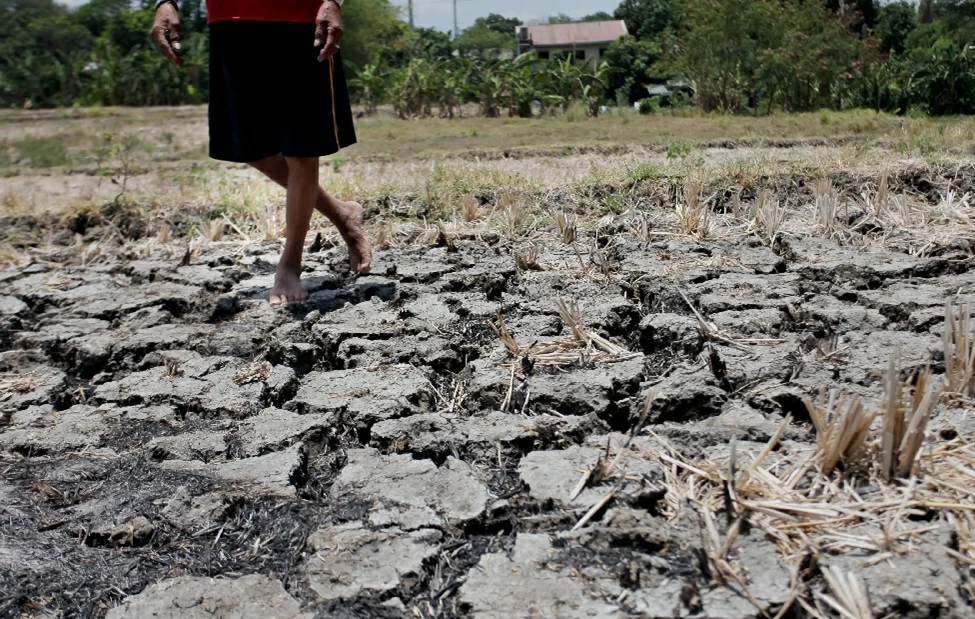
وتأتي هذه التحذيرات بعدما رجحت المنظمة العالمية للأرصاد الجوية أن تكون الدورة الحالية من (النينيو) بين الأقوى في التاريخ الحديث، مع ما يصاحبها من موجات جفاف في بعض المناطق وفيضانات في مناطق أخرى وارتفاع واسع في درجات الحرارة حول العالم.
وبحسب الدراسة، فإن التأثيرات الأولية لـ(النينيو) أسهمت بالفعل في رفع مستويات الأسعار خلال الأشهر الماضية بنحو 0.3 نقطة مئوية، بينما تشير التقديرات إلى أن الأثر الأكبر قد يظهر لاحقاً، مع إمكانية إضافة ما يصل إلى نقطة مئوية كاملة إلى معدلات التضخم خلال عام 2027.
ويرى الباحثون أن الاقتصاد الأمريكي أصبح أكثر حساسية للصدمات الخارجية نتيجة الترابط المتزايد للأسواق العالمية، ما يجعل الظواهر المناخية الكبرى قادرة على التأثير في الأسعار عبر سلاسل الإمداد وأسواق الطاقة والمواد الأولية.
وتتزامن هذه المخاوف مع استمرار الضغوط التضخمية الناجمة عن اضطرابات سلاسل التوريد وتقلبات أسعار الطاقة، إلى جانب الطلب المتزايد المرتبط بتقنيات الذكاء الاصطناعي، وهي عوامل تزيد من تعقيد مهمة صناع السياسة النقدية في مواجهة ارتفاع الأسعار.
وأشار معدو الدراسة إلى أن تحسين قدرات التنبؤ بالأحوال الجوية يمنح الشركات والأسر والحكومات فرصة أفضل للاستعداد المسبق مقارنة بما كان عليه الوضع في السابق، إلا أن تداخل النينيو مع متغيرات اقتصادية ومناخية أخرى قد يفرز آثاراً يصعب توقعها بدقة.
وختم الباحثون بالتأكيد على أن النتائج لا تزال محاطة بدرجة من عدم اليقين، إلا أن المؤشرات الحالية تفرض مراقبة حثيثة لتداعيات الظاهرة المناخية على الاقتصاد العالمي خلال السنوات المقبلة، خصوصاً في ظل تزايد ارتباط الأسواق بالأحداث البيئية والمناخية الكبرى.
A recent study has warned that the climate phenomenon of El Niño could become a pressure factor on the U.S. economy in the coming years, with expectations that it will contribute to rising inflation levels by 2027, at a time when markets are still dealing with the repercussions of successive waves of inflation over the past years.
The study published by the Federal Reserve Bank of San Francisco indicated that the unprecedented rise in ocean temperatures associated with El Niño could lead to increased price pressures, despite expectations that the phenomenon will simultaneously support the labor market and raise employment levels.
These warnings come after the World Meteorological Organization suggested that the current cycle of El Niño could be one of the strongest in recent history, accompanied by droughts in some areas, floods in others, and widespread increases in temperatures around the world.
According to the study, the initial impacts of El Niño have already contributed to raising price levels over the past months by about 0.3 percentage points, while estimates indicate that the largest effect may appear later, potentially adding up to a full percentage point to inflation rates by 2027.
Researchers believe that the U.S. economy has become more sensitive to external shocks due to the increasing interconnectedness of global markets, making major climate phenomena capable of influencing prices through supply chains and energy and raw material markets.
These concerns coincide with ongoing inflationary pressures resulting from supply chain disruptions and fluctuations in energy prices, along with the increasing demand associated with artificial intelligence technologies, factors that complicate the task of monetary policymakers in addressing rising prices.
The study’s authors noted that improving weather forecasting capabilities gives businesses, households, and governments a better opportunity to prepare in advance compared to previous situations, but the interaction of El Niño with other economic and climatic variables may produce effects that are difficult to predict accurately.
The researchers concluded by emphasizing that the results are still surrounded by a degree of uncertainty, but current indicators necessitate close monitoring of the climate phenomenon’s implications for the global economy in the coming years, especially in light of the increasing connection between markets and major environmental and climatic events.