



 اختر منطقتك
يشهد قطاع المطاعم والخدمات السريعة في المملكة العربية السعودية مرحلة جديدة من النمو، لم تعد فيها معايير النجاح تقتصر على التوسع في عدد الفروع أو زيادة المبيعات، بل أصبحت ترتبط بقدرة الشركات على بناء كوادر وطنية مؤهلة، وتعزيز الشراكات المحلية، ورفع كفاءة العمليات، وتطوير تجربة العملاء بما يواكب التحولات المتسارعة في السوق.
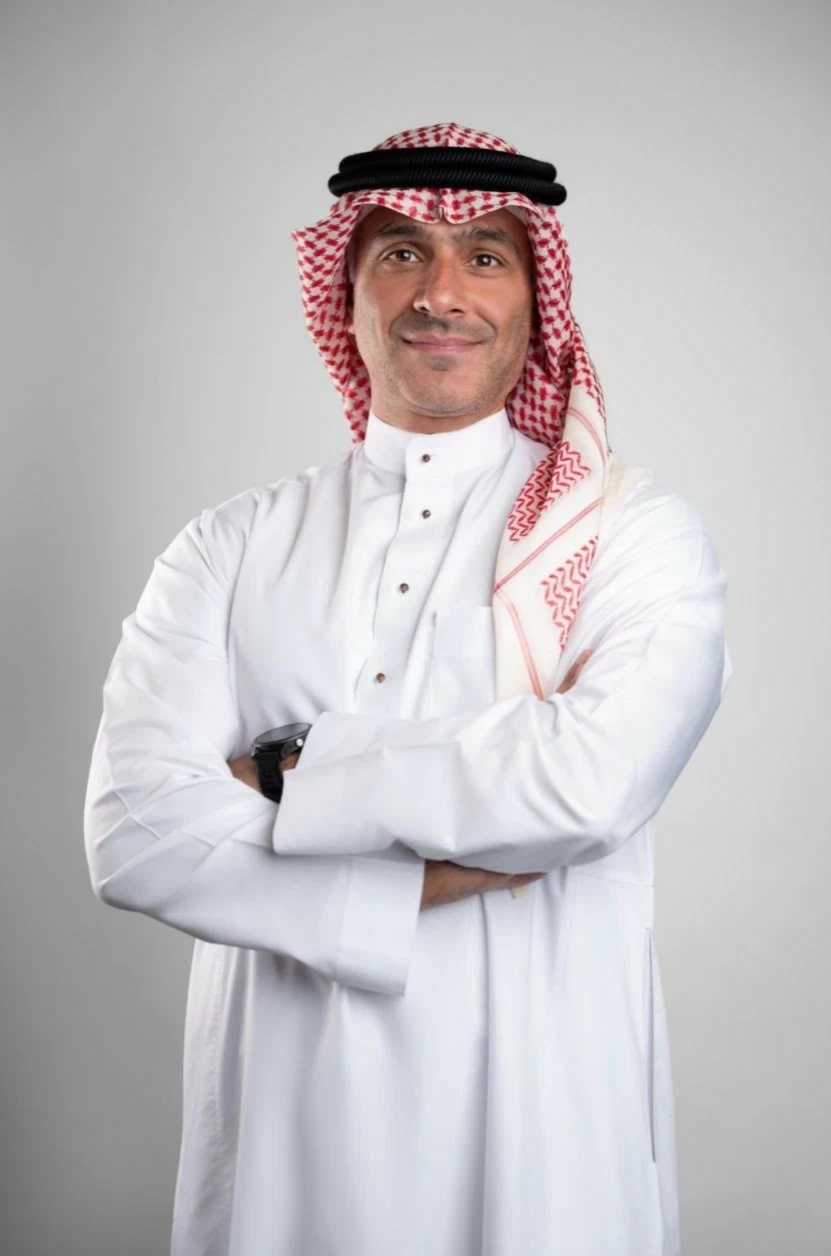
ومن واقع خبرته في قيادة أعمال ماكدونالدز في المناطق الغربية والجنوبية ومنطقة تبوك، يرى أ. محمد علي رضا، المدير التنفيذي لشركة رضا للخدمات الغذائية المحدودة، أن النمو المستدام لا يتحقق من خلال قرارات قصيرة المدى، وإنما يتطلب رؤية متكاملة تقوم على الاستثمار في الإنسان، وبناء منظومة قوية من الموردين والشركاء، والتوسع المدروس، إلى جانب اتخاذ قرارات تستند إلى البيانات واحتياجات السوق.
ويؤكد أ. محمد علي رضا أن نجاح الشركات العاملة في قطاع المطاعم لم يعد يعتمد فقط على جودة المنتجات أو سرعة تقديم الخدمة، بل أصبح مرتبطاً بقدرتها على تحقيق أثر اقتصادي واجتماعي أوسع داخل المجتمعات التي تعمل فيها، من خلال خلق فرص العمل، وتطوير الكفاءات، ودعم النشاط الاقتصادي المحلي، وتحقيق قيمة مستدامة تتجاوز نطاق العمليات التشغيلية اليومية.
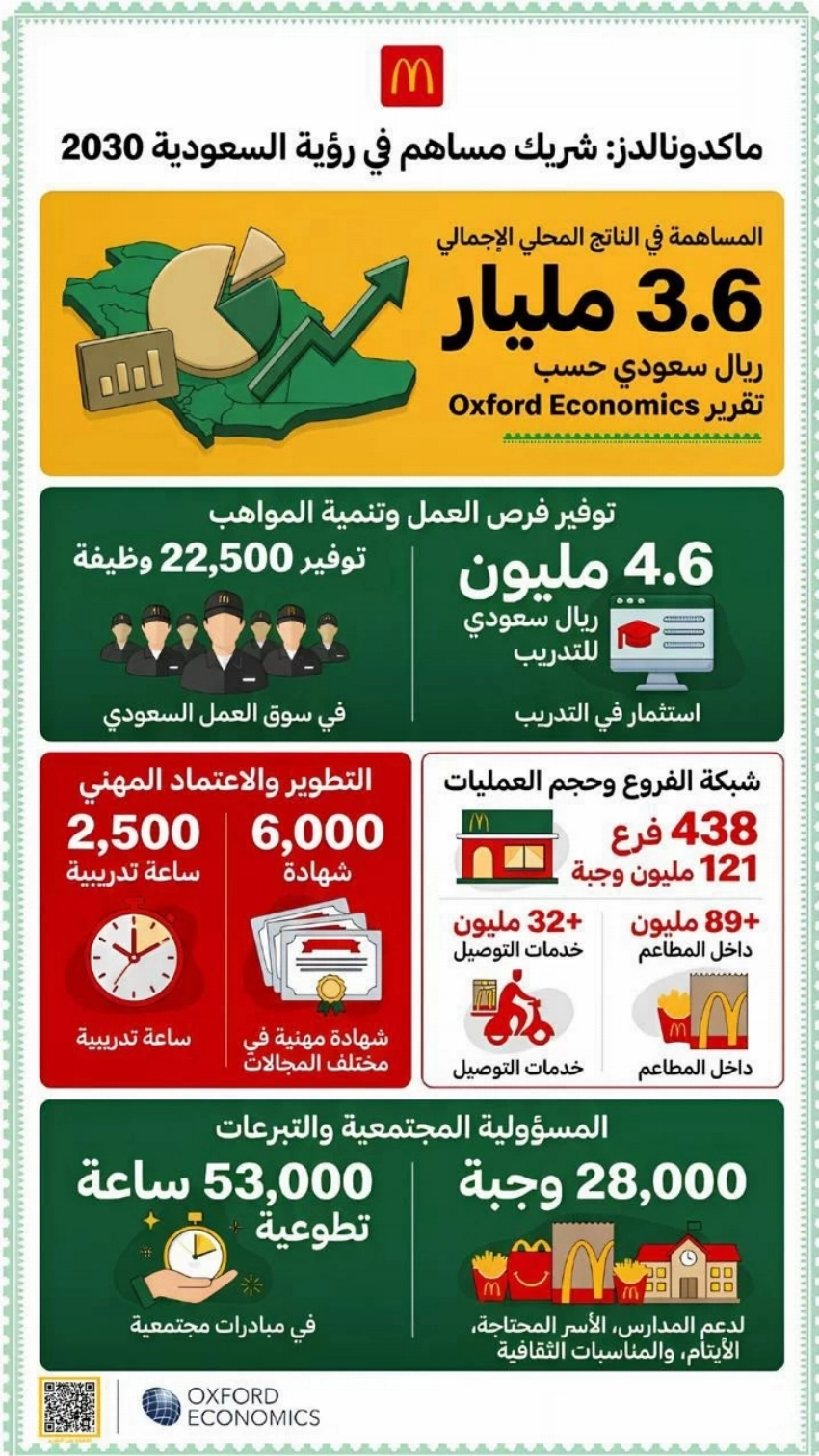
وفي هذا السياق، يرى رضا أن الاستثمار الحقيقي يبدأ بالاستثمار في الإنسان، موضحاً أن توفير الوظائف يمثل نقطة البداية، بينما تكمن القيمة الأهم في بناء مسارات مهنية تمكّن الشباب السعودي من اكتساب الخبرات العملية وتطوير مهاراتهم وتحمل مسؤوليات أكبر مع تقدمهم داخل المؤسسة. وقد أظهر تقرير الأثر الاقتصادي والاجتماعي، الذي أعدته Oxford Economics، أن عمليات ماكدونالدز السعودية دعمت نحو 22,500 وظيفة، إلى جانب تقديم أكثر من 2,500 ساعة تدريبية، ومنح ما يزيد على 6,000 شهادة مهنية في مجالات تشغيل المطاعم وخدمة العملاء وقيادة الفرق، فضلاً عن استثمار تجاوز 4.6 مليون ريال في تدريب الموظفين وتطويرهم.
وبالنسبة إلى علي رضا، لا تمثل هذه المؤشرات مجرد أرقام تعكس حجم العمليات، بل تؤكد أهمية نموذج عمل يمنح الموظفين فرصاً حقيقية للتعلم والنمو، ويسهم في إعداد كوادر وطنية مؤهلة وقادرة على مواكبة تطور القطاع وارتفاع توقعات العملاء. فالاستثمار المستمر في فرق العمل، بحسب رؤيته، هو أحد أهم العوامل التي تضمن استدامة الأداء وتحافظ على جودة الخدمة بالتوازي مع التوسع.
ويمتد هذا النهج إلى الشراكات المحلية التي يعتبرها علي رضا ركناً أساسياً في تحقيق النمو المستدام، نظراً لدورها في دعم الشركات الوطنية، وتعزيز مرونة سلاسل الإمداد، وربط نمو أعمال الشركة بالمنظومة الاقتصادية المحيطة بها. وقد أظهر تقرير Oxford Economics أن مساهمة ماكدونالدز السعودية الإجمالية في الناتج المحلي للمملكة بلغت نحو 3.6 مليار ريال، وأن كل مليون ريال من مساهمتها المباشرة يدعم نحو 2.2 مليون ريال إضافية داخل الاقتصاد السعودي من خلال سلاسل الإمداد وإنفاق الموظفين والقطاعات المرتبطة بأعمالها.
ويرى علي رضا أن أهمية هذه النتائج لا تكمن في حجم المساهمة فقط، بل في إظهار مدى الترابط بين نمو الشركة ونمو الموردين والشركاء والقطاعات الأخرى المرتبطة بها، مؤكداً أن النجاح طويل المدى لأي مؤسسة يعتمد على قدرتها على خلق قيمة مشتركة لموظفيها وشركائها والمجتمعات التي تعمل فيها.
ويتوافق هذا التوجه مع مستهدفات رؤية المملكة 2030، خاصة في مجالات تمكين الكفاءات الوطنية، ودعم المحتوى المحلي، والاستثمار في رأس المال البشري، وزيادة مساهمة القطاع الخاص في التنمية. ومن هذا المنطلق، تعمل ماكدونالدز السعودية على ربط توسعها التجاري بتنمية سلاسل الإمداد المحلية، وبناء علاقات مستدامة مع الموردين والشركاء، بما يدعم النشاط الاقتصادي ويخلق فرصاً جديدة بصورة مباشرة وغير مباشرة.
كما ينظر علي رضا إلى المسؤولية المجتمعية باعتبارها جزءاً أصيلاً من نموذج العمل، وليست نشاطاً منفصلاً عنه، موضحاً أن النمو التجاري يجب أن يصاحبه أثر اجتماعي حقيقي من خلال المبادرات المجتمعية ودعم الفئات المستحقة ومشاركة الموظفين في الأنشطة التطوعية. فالمؤسسات الأكثر قدرة على الاستمرار، من وجهة نظره، هي التي تحقق توازناً بين أهدافها التجارية ومسؤوليتها تجاه المجتمع.
وحول مستقبل قطاع المطاعم والخدمات السريعة في المملكة، يتوقع رضا أن يشهد القطاع مزيداً من الاعتماد على الحلول الرقمية، والتوسع في خدمات التوصيل، وتطوير تجربة العملاء عبر مختلف قنوات الخدمة، إلى جانب مواصلة الابتكار في المنتجات والخدمات بما يتناسب مع تطلعات المستهلكين المتغيرة.
ورغم الدور المتنامي للتكنولوجيا، يرى علي رضا أن التحول الرقمي الناجح لا يتحقق بمجرد تبني الأدوات الحديثة، وإنما يعتمد على فهم احتياجات العملاء واستخدام البيانات لاتخاذ قرارات أكثر دقة ورفع كفاءة العمليات. كما ستحتاج الشركات إلى الحفاظ على اتساق جودة التجربة عبر الفروع والمنصات الرقمية وقنوات التوصيل، بحيث يدعم التوسع قوة العلامة ولا يأتي على حساب مستوى الخدمة.
وعن أبرز العوامل التي أسهمت في نجاح ماكدونالدز السعودية خلال السنوات الماضية، يؤكد رضا أن النجاح لم يكن نتيجة قرار واحد أو محطة بعينها، بل جاء ثمرة استراتيجية طويلة المدى قامت على الاستثمار في الإنسان، وتعزيز الشراكات المحلية، والتوسع المدروس، والابتكار المستمر في تجربة العملاء، إلى جانب الالتزام بالمسؤولية المجتمعية. وقد أسهم الالتزام بهذه الركائز في بناء منظومة أعمال أكثر قدرة على النمو والتكيف مع التغيرات، وهو الأثر الذي جاءت نتائج تقرير Oxford Economics لتوثقه بصورة مستقلة.
أما على المستوى الشخصي، فيعتبر أ. محمد علي رضا أن أحد أكبر التحديات التي واجهها خلال مسيرته المهنية يتمثل في مواكبة المتغيرات المتسارعة مع الحفاظ على جودة الأداء واستمرارية التطوير. ومن أبرز الدروس التي اكتسبها أن النجاح المستدام لا يتحقق من خلال الحلول السريعة، بل من خلال الاستثمار المتواصل في فرق العمل، وتعزيز ثقافة التعاون، والاعتماد على البيانات والنتائج في اتخاذ القرارات، مع الحفاظ على المرونة اللازمة للاستجابة لتحولات السوق.
ويتطلع علي رضا إلى مستقبل يواصل فيه قطاع المطاعم بالمملكة تطوره ونموه، مع تركيز أكبر على الكفاءات الوطنية والاستدامة والابتكار. وستظل أولويات ماكدونالدز السعودية خلال السنوات المقبلة قائمة على التوسع المستدام، وتطوير تجربة العملاء، وتعزيز الشراكات مع الموردين المحليين، ومواصلة الاستثمار في الموظفين والمبادرات المجتمعية.
واختتم بالتأكيد على أن طموح الشركة لا يقتصر على زيادة حجم أعمالها، بل يمتد إلى ترسيخ دورها كشريك طويل المدى في التنمية، وبناء أثر اقتصادي واجتماعي مستدام يواكب رؤية المملكة 2030 ويعود بالنفع على الموظفين والشركاء والمجتمعات المحلية.
The restaurant and fast food sector in the Kingdom of Saudi Arabia is witnessing a new phase of growth, where success criteria are no longer limited to expanding the number of branches or increasing sales. Instead, they are now linked to companies’ ability to build qualified national workforce, enhance local partnerships, improve operational efficiency, and develop customer experiences that keep pace with the rapid market transformations.
From his experience in leading McDonald’s operations in the western and southern regions and the Tabuk area, Mr. Mohammed Ali Reza, the CEO of Reza Food Services Limited, believes that sustainable growth cannot be achieved through short-term decisions. Instead, it requires a comprehensive vision based on investing in people, building a strong ecosystem of suppliers and partners, and planned expansion, alongside making data-driven decisions that reflect market needs.
Mr. Mohammed Ali Reza emphasizes that the success of companies operating in the restaurant sector no longer depends solely on product quality or service speed, but is now related to their ability to create a broader economic and social impact within the communities they operate in, through job creation, skills development, supporting local economic activity, and achieving sustainable value that goes beyond daily operational activities.
In this context, Reza sees that real investment begins with investing in people, explaining that job provision represents the starting point, while the most significant value lies in building career paths that enable Saudi youth to gain practical experience, develop their skills, and take on greater responsibilities as they advance within the organization. An economic and social impact report prepared by Oxford Economics showed that McDonald’s Saudi Arabia supported approximately 22,500 jobs, provided over 2,500 training hours, and awarded more than 6,000 professional certificates in restaurant operations, customer service, and team leadership, in addition to investing over 4.6 million riyals in employee training and development.
For Ali Reza, these indicators are not just numbers reflecting the scale of operations, but they affirm the importance of a business model that provides employees with real opportunities for learning and growth, contributing to the preparation of a qualified national workforce capable of keeping pace with sector developments and rising customer expectations. Continuous investment in teams, in his view, is one of the most important factors that ensure performance sustainability and maintain service quality alongside expansion.
This approach extends to local partnerships, which Ali Reza considers a fundamental pillar in achieving sustainable growth, due to their role in supporting national companies, enhancing supply chain resilience, and linking the company’s business growth to the surrounding economic ecosystem. The Oxford Economics report showed that McDonald’s Saudi Arabia’s total contribution to the Kingdom’s GDP amounted to approximately 3.6 billion riyals, and that every million riyals of its direct contribution supports about 2.2 million riyals additional within the Saudi economy through supply chains, employee spending, and sectors related to its operations.
Ali Reza believes that the significance of these results lies not only in the size of the contribution but also in demonstrating the interconnectedness between the company’s growth and that of its suppliers, partners, and other related sectors, affirming that the long-term success of any institution depends on its ability to create shared value for its employees, partners, and the communities in which it operates.
This direction aligns with the objectives of Saudi Vision 2030, especially in areas of empowering national competencies, supporting local content, investing in human capital, and increasing the private sector’s contribution to development. From this perspective, McDonald’s Saudi Arabia is working to link its commercial expansion to the development of local supply chains and build sustainable relationships with suppliers and partners, thereby supporting economic activity and creating new opportunities both directly and indirectly.
Ali Reza also views corporate social responsibility as an integral part of the business model, not a separate activity, explaining that commercial growth must be accompanied by a genuine social impact through community initiatives, supporting deserving groups, and involving employees in volunteer activities. The most sustainable institutions, in his view, are those that achieve a balance between their commercial objectives and their responsibility to society.
Regarding the future of the restaurant and fast food sector in the Kingdom, Reza expects the sector to see further reliance on digital solutions, expansion in delivery services, and development of customer experiences across various service channels, alongside continued innovation in products and services that align with changing consumer expectations.
Despite the growing role of technology, Ali Reza believes that successful digital transformation is not achieved merely by adopting modern tools but relies on understanding customer needs and using data to make more accurate decisions and enhance operational efficiency. Companies will also need to maintain consistency in the quality of the experience across branches, digital platforms, and delivery channels, ensuring that expansion strengthens the brand without compromising service levels.
Regarding the key factors that contributed to the success of McDonald’s Saudi Arabia in recent years, Reza asserts that success was not the result of a single decision or a specific milestone but rather the outcome of a long-term strategy focused on investing in people, enhancing local partnerships, planned expansion, continuous innovation in customer experience, and commitment to corporate social responsibility. Adhering to these pillars has contributed to building a business ecosystem more capable of growth and adaptation to changes, a fact that the results of the Oxford Economics report documented independently.
On a personal level, Mr. Mohammed Ali Reza considers one of the biggest challenges he faced during his career to be keeping pace with rapid changes while maintaining performance quality and continuous development. One of the key lessons he has learned is that sustainable success is not achieved through quick solutions but through continuous investment in teams, fostering a culture of collaboration, relying on data and results in decision-making, while maintaining the necessary flexibility to respond to market shifts.
Ali Reza looks forward to a future where the restaurant sector in the Kingdom continues to evolve and grow, with a greater focus on national competencies, sustainability, and innovation. McDonald’s Saudi Arabia’s priorities in the coming years will remain centered on sustainable expansion, enhancing customer experience, strengthening partnerships with local suppliers, and continuing to invest in employees and community initiatives.
He concluded by emphasizing that the company’s ambition is not limited to increasing its business size but extends to establishing its role as a long-term partner in development, creating a sustainable economic and social impact that aligns with Saudi Vision 2030 and benefits employees, partners, and local communities.