


 اختر منطقتك
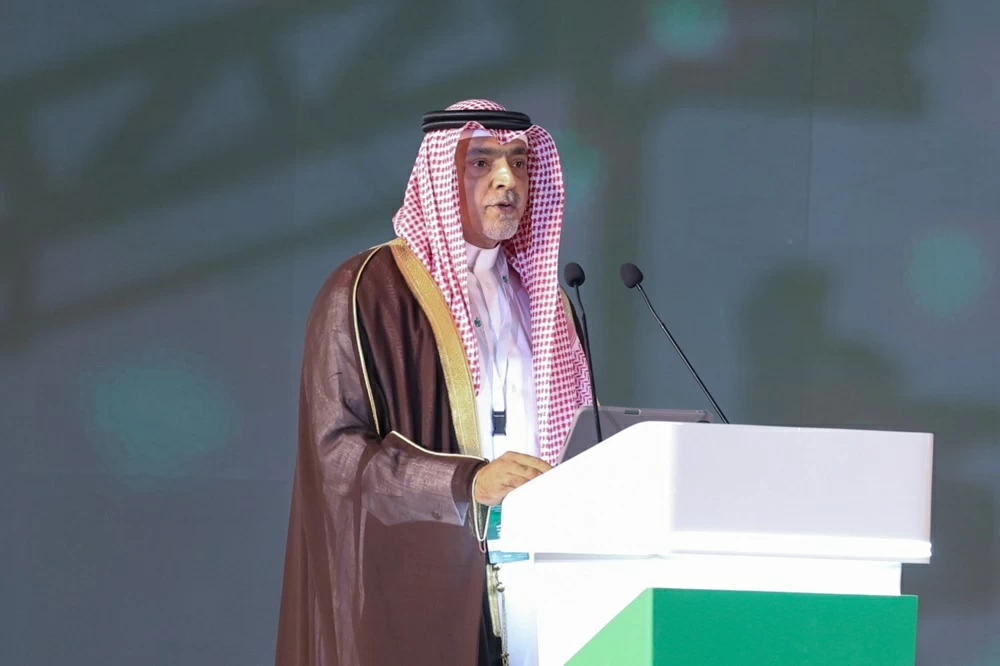
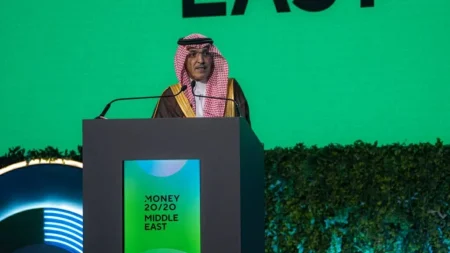
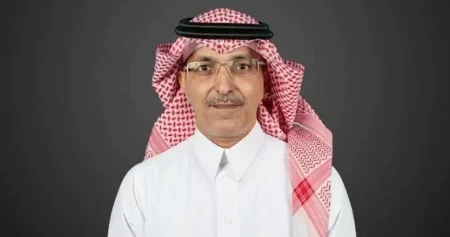
كشف رئيس اتحاد الغرف السعودية عبدالله صالح كامل أنه منذ انطلاق رؤية السعودية 2030 ارتفع عدد المنشآت الصناعية في السعودية من 7 آلاف مصنع لتتجاوز اليوم 15 ألف منشأة صناعية في مختلف الأنشطة الاقتصادية، منها أنشطة لم يرخص لها قبل الرؤية كالصناعات العسكرية، حيث بلغ عدد الشركات المرخص لها اليوم أكثر من 347 شركة.
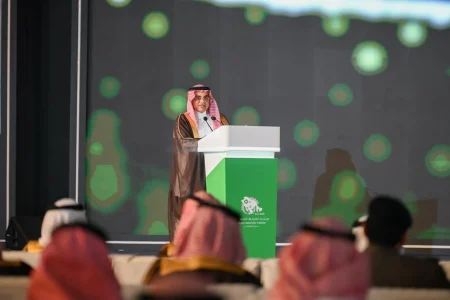
وبين خلال كلمته بمنتدى الصناعة السعودي اليوم (الإثنين) عن نمو الاستثمارات المحلية والأجنبية في القطاع، وارتفعت مساهمة القطاع في الناتج المحلي الإجمالي لتصل إلى 16%، وقد أصبحت المملكة رائدة في العديد من الصناعات: «كالصناعات البتروكيماوية، والآلات والمعدات والصناعات العسكرية، والصناعات الغذائية والدوائية، والمنسوجات ومواد البناء»، وغيرها من الصناعات المختلفة.

وأكد كامل أن المنتجات السعودية أصبحت منافساً قوياً في الأسوق العالمية، وأضاف قائلا: «لمسنا في الاتحاد رغبة المستوردين من الدول الشقيقة والصديقة للتعرف على المنتجات السعودية وهو ما أكدته بيانات نمو الصادرات غير النفطية، ما جعلنا في الريادة محليا ودوليا، وهذه الريادة جاءت بدعم من حكومة مولاي خادم الحرمين الشريفين، حفظه الله ورعاه، وبما تملكه بلادنا الغالية من مقومات اقتصادية ومزايا تنافسية أهمها توفر المواد الأساسية، وتطور المنظومة الصناعية من تشريعات، والممكنات الحكومية التي مكنت القطاع الخاص من تعزيز قدراته التنافسية في القطاع، فضلاً عن وجود بنية تحتية متطورة، وقرب المملكة من الأسوق العالمية، وكل هذا بوجود قيادة وضعت سقفاً عالياً للطموح، وقطاعاً خاصاً أثبت قدرته على الاستثمار والنمو والمنافسة».

وعن منهجية اتحاد الغرف السعودية بين رئيس الاتحاد، أنه يتم العمل على الشراكة الإستراتيجية مع الجهات الحكومية المعنية بالصناعة لتحقيق مستهدفات المملكة على المستوى المحلي والدولي، والمرحلة المستقبلية تتطلب منا كقطاع خاص أن نكون أكثر قدرة على جلب الصناعات النوعية للمملكة وتوطينها والعمل على الابتكار والتطوير في الصناعات المختلفة، والاستفادة من الذكاء الاصطناعي وتقنيات الثورة الصناعية الرابعة وغيرها من الممكنات والمتغيرات في القطاع، لتكون المملكة قوة صناعية على خارطة الاقتصاد العالمي.
وشدد على أن اتحاد الغرف مستمر لدعم المستثمرين في القطاع الصناعي بالمملكة، لتحقيق مستهدفات السعودية.
Saudi Chambers Federation President Abdullah Saleh Kamel revealed that since the launch of Saudi Vision 2030, the number of industrial establishments in Saudi Arabia has increased from 7,000 factories to over 15,000 industrial establishments across various economic activities, including activities that were not licensed before the vision, such as military industries, where the number of licensed companies today exceeds 347.

During his speech at the Saudi Industry Forum today (Monday), he highlighted the growth of local and foreign investments in the sector, with the sector’s contribution to the GDP rising to 16%. The Kingdom has become a leader in many industries: “such as petrochemical industries, machinery and equipment, military industries, food and pharmaceutical industries, textiles, and building materials,” among other various industries.
Kamel confirmed that Saudi products have become a strong competitor in global markets, adding: “We have sensed a desire from importers in brotherly and friendly countries to learn about Saudi products, which has been confirmed by data showing the growth of non-oil exports, making us a leader both locally and internationally. This leadership has come with the support of the government of my master, the Custodian of the Two Holy Mosques, may God protect him, and with what our dear country possesses in terms of economic components and competitive advantages, the most important of which are the availability of essential materials, the development of the industrial system through legislation, and government enablers that have empowered the private sector to enhance its competitive capabilities in the sector, in addition to the presence of advanced infrastructure and the Kingdom’s proximity to global markets. All of this exists under a leadership that has set a high ceiling for ambition, and a private sector that has proven its ability to invest, grow, and compete.”
Regarding the methodology of the Saudi Chambers Federation, the President of the Federation stated that they are working on a strategic partnership with the relevant government entities in the industry to achieve the Kingdom’s objectives at the local and international levels. The future phase requires us as a private sector to be more capable of bringing quality industries to the Kingdom, localizing them, and working on innovation and development in various industries, as well as benefiting from artificial intelligence and the technologies of the Fourth Industrial Revolution, among other enablers and changes in the sector, to make the Kingdom an industrial power on the global economic map.
He emphasized that the Federation of Chambers continues to support investors in the industrial sector in the Kingdom to achieve Saudi objectives.