

 اختر منطقتك
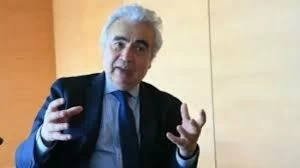
كشف مدير وكالة الطاقة الدولية فاتح بيرول، خلال مؤتمر للمناخ عقد في برلين، اليوم، أن العالم يواجه أكبر أزمة طاقة في تاريخه، ومن المرجح أن تشهد الأسواق تحولاً جذرياً نتيجة لهذا الوضع الحرج.
وقال بيرول، خلال كلمته أمام «حوار بطرسبرغ للمناخ»، إنه كان قد تم تبني استجابة إستراتيجية عقب أزمات النفط في سبعينات القرن الماضي، ما أدى إلى خفض استهلاك الوقود من 20 لترا لكل 100 كيلومتر إلى النصف.
وأوضح بيرول أن من بين ردود الفعل الأخرى في ذلك الوقت التوسع في استخدام الطاقة النووية.
وبين أن الأشخاص اليوم أكثر استعداداً لإجراء تغييرات، مقارنة بما كان عليه الحال قبل 50 عاماً، نظراً لتوافر التقنيات اللازمة مثل الطاقة المتجددة والسيارات الكهربائية.
أزمة ضخمة
وكان بيرول قد أكد في وقت سابق أن الصراع بين إيران والولايات المتحدة وإسرائيل يتسبب في أسوأ أزمة طاقة يواجهها العالم على الإطلاق.
وقال بيرول، في مقابلة مع إذاعة فرانس إنتر، بثت أخيراً: «هذه بالفعل أكبر أزمة في التاريخ، والأزمة ضخمة بالفعل، إذا جمعنا بين آثار أزمة النفط وأزمة الغاز المرتبطة بروسيا».
وأوضح بيرول أن التقلبات في أسواق الطاقة العالمية قد تستمر لمدة تصل إلى عامين، حتى في حال تحسن الأوضاع الجيوسياسية.
Fatih Birol, the Director of the International Energy Agency, revealed during a climate conference held in Berlin today that the world is facing the largest energy crisis in its history, and markets are likely to undergo a radical transformation as a result of this critical situation.
Birol stated in his speech at the “Petersberg Climate Dialogue” that a strategic response had been adopted following the oil crises of the 1970s, which led to a reduction in fuel consumption from 20 liters per 100 kilometers to half.
He explained that among the other reactions at that time was the expansion of nuclear energy use.
Birol noted that people today are more willing to make changes compared to 50 years ago, thanks to the availability of necessary technologies such as renewable energy and electric vehicles.
A Massive Crisis
Birol had previously confirmed that the conflict between Iran, the United States, and Israel is causing the worst energy crisis the world has ever faced.
In an interview with France Inter radio, broadcast recently, Birol said: “This is indeed the largest crisis in history, and the crisis is truly massive if we combine the effects of the oil crisis and the gas crisis related to Russia.”
Birol explained that fluctuations in global energy markets could continue for up to two years, even if geopolitical conditions improve.