

 اختر منطقتك
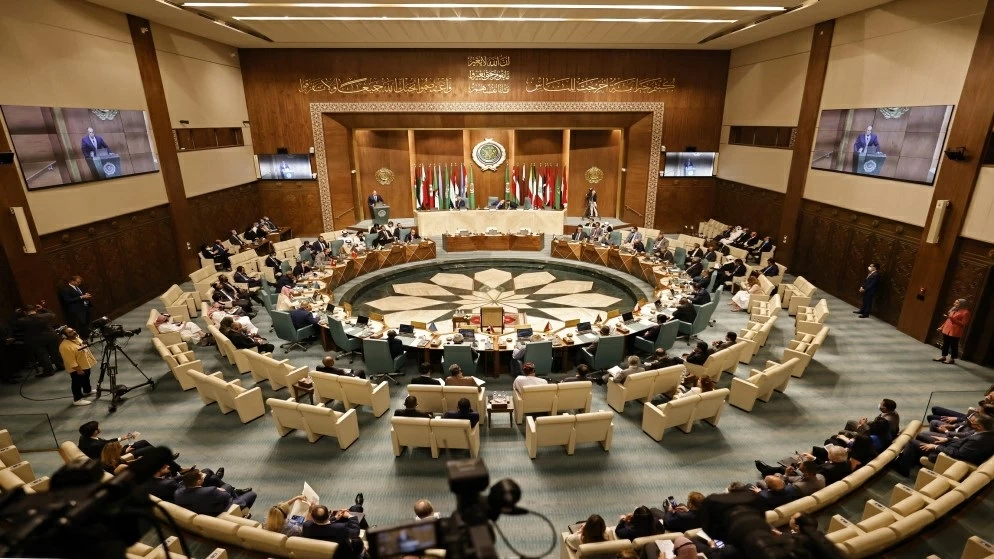
انطلقت في مقر الأمانة العامة لجامعة الدول العربية بالقاهرة أعمال الدورة العادية الـ118 للمجلس الاقتصادي والاجتماعي العربي، برئاسة المملكة العربية السعودية، وسط أجندة واسعة تتصدرها ملفات الاقتصاد والأمن الغذائي وإعادة الإعمار والتنمية.
وتستمر أعمال الدورة خلال الفترة من 30 أغسطس إلى 3 سبتمبر 2026، بمشاركة ممثلي الدول العربية، وتناقش عددًا من الملفات الاقتصادية والاجتماعية والتنموية المرتبطة بالأوضاع الراهنة في المنطقة، إلى جانب متابعة مسارات التكامل الاقتصادي العربي.
وتكتسب الدورة أهمية إضافية باعتبارها الأولى التي تنعقد بعد تولي السفير نبيل فهمي مهامه أمينًا عامًا لجامعة الدول العربية، مع تركيز الأمانة العامة على تعزيز الأبعاد الاقتصادية والاجتماعية والتنموية للعمل العربي المشترك؛ باعتبارها إحدى ركائز التكامل بين الدول العربية.
وتتصدر أجندة الاجتماع ملفات دعم الاقتصاد الفلسطيني، في ظل التداعيات الاقتصادية والإنسانية للحرب على قطاع غزة، إلى جانب بحث سبل دعم جهود التعافي وإعادة الإعمار في عدد من الدول العربية التي تواجه تداعيات أزمات وصراعات ممتدة.
كما يناقش المجلس استراتيجية عربية لدعم أجهزة تفتيش العمل وتأهيل أسواق العمل خلال مرحلة التعافي وإعادة الإعمار في سوريا، بما يعزز قدرة أسواق العمل على استيعاب احتياجات المرحلة المقبلة ويدعم جهود إعادة بناء الاقتصاد السوري.
ويمتد جدول الأعمال إلى الملف اليمني، من خلال بحث دعم المعهد الصناعي والتجاري لتعزيز قطاع الصادرات في اليمن ضمن خطط إعادة الإعمار والتعافي الاقتصادي، بما يهدف إلى دعم الإنتاج المحلي وزيادة القدرة على الوصول إلى الأسواق الخارجية.
ويحتل الأمن الغذائي العربي موقعًا متقدمًا في مناقشات الدورة، من خلال متابعة تنفيذ البرنامج العربي لاستدامة الأمن الغذائي والاستراتيجيات العربية المرتبطة بالتنمية الزراعية وإدارة الموارد الرعوية وتربية الأحياء المائية.
وتبحث الدورة كذلك متابعة تنفيذ استراتيجية التنمية الزراعية العربية المستدامة للفترة 2020-2030، والاستراتيجية العربية للإدارة المستدامة للموارد الرعوية 2020-2040، إلى جانب الاستراتيجية العربية لتربية الأحياء المائية 2018-2037، في ظل التحديات التي تواجه الدول العربية في مجالات الغذاء والمياه والتغيرات المناخية.
كما ينظر المجلس في الموضوعات المقترح إدراجها ضمن الملف الاقتصادي والاجتماعي لمجلس جامعة الدول العربية على مستوى القمة في دورتها العادية الـ35، المقرر عقدها في المملكة العربية السعودية خلال عام 2026، بما يربط أعمال المجلس الوزاري بالأجندة المنتظرة للقمة العربية.
ويتضمن جدول الأعمال، أيضًا، ملفات التعاون العربي الدولي في المجالات الاجتماعية والتنموية، إلى جانب تقارير وقرارات المجالس الوزارية العربية المتخصصة واللجان الفنية والدائمة، ومتابعة الجهود العربية لتحقيق أهداف التنمية المستدامة 2030.
ويمثل التكامل الاقتصادي أحد أبرز الملفات الدائمة على جدول أعمال المجلس؛ وفي مقدمتها منطقة التجارة الحرة العربية الكبرى وتطورات مشروع الاتحاد الجمركي العربي، حيث يبحث المجلس بصورة دورية ما تحقق من خطوات وما لا يزال قائمًا من تحديات أمام زيادة حركة التجارة البينية العربية.
وتستهدف منطقة التجارة الحرة العربية الكبرى إزالة القيود والرسوم الجمركية على حركة السلع بين الدول العربية، بما يدعم التجارة البينية ويعزز القدرة التنافسية للمنتجات العربية، فيما يسعى مشروع الاتحاد الجمركي العربي إلى الانتقال بالتكامل الاقتصادي إلى مرحلة أعمق من خلال توحيد السياسات والإجراءات الجمركية.
ويأتي انعقاد الدورة الـ118 في ظل تحديات اقتصادية متزايدة تواجه المنطقة العربية، تشمل ارتفاع كلفة الغذاء والطاقة، واضطرابات سلاسل الإمداد، وتداعيات الصراعات، والحاجة إلى تمويل عمليات إعادة الإعمار، إلى جانب الضغوط المرتبطة بالتغير المناخي وندرة الموارد المائية.
The 118th regular session of the Arab Economic and Social Council commenced at the headquarters of the Arab League General Secretariat in Cairo, chaired by the Kingdom of Saudi Arabia, with a broad agenda dominated by issues of economy, food security, reconstruction, and development.
The session will continue from August 30 to September 3, 2026, with the participation of representatives from Arab countries, discussing several economic, social, and developmental issues related to the current conditions in the region, alongside following up on the paths of Arab economic integration.
This session holds additional importance as it is the first to be held after Ambassador Nabil Fahmy assumed his duties as Secretary-General of the Arab League, with the General Secretariat focusing on enhancing the economic, social, and developmental dimensions of joint Arab action; considering it one of the pillars of integration among Arab countries.
The agenda of the meeting prominently features files supporting the Palestinian economy, in light of the economic and humanitarian repercussions of the war on the Gaza Strip, along with exploring ways to support recovery and reconstruction efforts in several Arab countries facing the consequences of prolonged crises and conflicts.
The council will also discuss an Arab strategy to support labor inspection agencies and rehabilitate labor markets during the recovery and reconstruction phase in Syria, enhancing the capacity of labor markets to meet the needs of the upcoming phase and supporting efforts to rebuild the Syrian economy.
The agenda extends to the Yemeni file, through discussions on supporting the industrial and commercial institute to enhance the export sector in Yemen within the plans for reconstruction and economic recovery, aiming to support local production and increase access to foreign markets.
Arab food security occupies a prominent position in the discussions of the session, through monitoring the implementation of the Arab program for food security sustainability and the Arab strategies related to agricultural development, management of pastoral resources, and aquaculture.
The session will also examine the implementation of the sustainable Arab agricultural development strategy for the period 2020-2030, the Arab strategy for the sustainable management of pastoral resources 2020-2040, alongside the Arab strategy for aquaculture 2018-2037, in light of the challenges facing Arab countries in the fields of food, water, and climate change.
The council will also consider topics proposed for inclusion in the economic and social file of the Arab League Council at the summit level during its 35th regular session, scheduled to be held in the Kingdom of Saudi Arabia in 2026, linking the work of the ministerial council with the anticipated agenda for the Arab summit.
The agenda also includes files on Arab international cooperation in social and developmental fields, alongside reports and decisions from specialized Arab ministerial councils and technical and permanent committees, and monitoring Arab efforts to achieve the Sustainable Development Goals 2030.
Economic integration represents one of the most prominent permanent files on the council’s agenda; foremost among them is the Greater Arab Free Trade Area and developments in the Arab Customs Union project, where the council regularly examines the steps taken and the challenges that still exist in increasing intra-Arab trade.
The Greater Arab Free Trade Area aims to remove restrictions and customs duties on the movement of goods between Arab countries, supporting intra-Arab trade and enhancing the competitiveness of Arab products, while the Arab Customs Union project seeks to advance economic integration to a deeper level by unifying customs policies and procedures.
The convening of the 118th session comes amid increasing economic challenges facing the Arab region, including rising food and energy costs, supply chain disruptions, the repercussions of conflicts, the need for financing reconstruction operations, alongside pressures related to climate change and water resource scarcity.