



 اختر منطقتك
أعلن صندوق النقد الدولي أن الاقتصاد العالمي لا يزال على الطريق الصحيح لتسجيل نمو بنسبة 3% خلال 2026، مشيراً إلى أنه تمكن من تجاوز صدمة الطاقة بصورة أفضل من المتوقع.
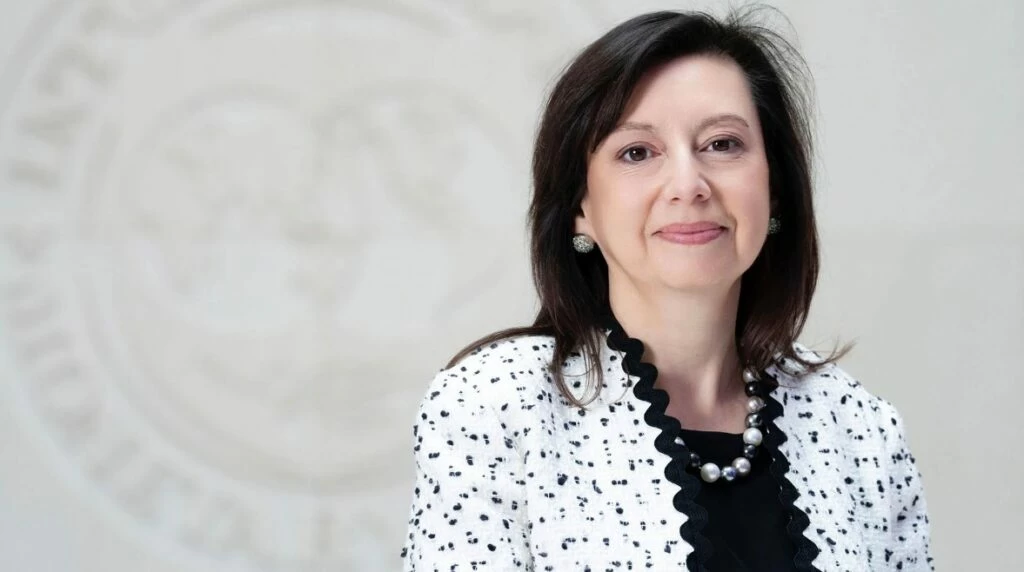
وأوضحت المتحدثة باسم الصندوق جولي كوزاك، خلال مؤتمر صحفي، أن أسعار النفط والغاز لا تزال مرتفعة، كما أن تداعيات أزمة الطاقة الناجمة عن الحرب في الشرق الأوسط لم تنته بعد.
ارتفاع التضخم
وقالت كوزاك: «ضغوط الديون العالمية تتزايد، كما أن توقعات التضخم ارتفعت أخيراً، لكنها لا تزال مستقرة على المدى الطويل». ورحبت كوزاك بخطط لقاء الرئيس الأمريكي دونالد ترمب ونظيره الصيني شي جين بينج في وقت لاحق هذا الشهر، مؤكدة أن أي خطوات لحل التوترات التجارية ستكون مفيدة لكلا البلدين وللاقتصاد العالمي.
توقعات شديدة الضبابية
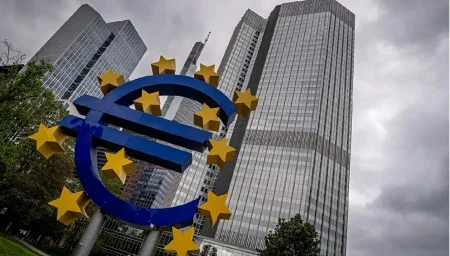
وكانت رئيسة البنك المركزي الأوروبي كريستين لاجارد قد حذرت من أن الصراع في الشرق الأوسط لا يزال يولد ضغوطاً تضخمية، وتوقعت أن يظل التضخم أعلى بكثير من مستهدف البنك المركزي لفترة ممتدة، فيما لا تزال التوقعات الاقتصادية شديدة الضبابية.
تداعيات الصدمة
وبحسب ما أوردت وكالات أنباء، أوضحت لاجارد أن اقتصاد منطقة اليورو أثبت قدرته على الصمود خلال الربع الثاني، رغم تداعيات صدمة الطاقة. وأشارت إلى أن النمو كان واسع النطاق عبر الدول والقطاعات،
ومن المرجح أن يكون هذا الاتجاه قد استمر خلال الربع الثالث، وذلك في أعقاب قرار المركزي الأوروبي برفع أسعار الفائدة.
The International Monetary Fund announced that the global economy is still on track to record a growth rate of 3% by 2026, noting that it has managed to overcome the energy shock better than expected.
The Fund’s spokesperson, Julie Kozak, clarified during a press conference that oil and gas prices remain high, and the repercussions of the energy crisis resulting from the war in the Middle East have not yet ended.
Rising Inflation
Kozak stated, “Global debt pressures are increasing, and inflation expectations have recently risen, but they remain stable in the long term.” Kozak welcomed plans for a meeting between U.S. President Donald Trump and Chinese President Xi Jinping later this month, emphasizing that any steps to resolve trade tensions would be beneficial for both countries and the global economy.
Highly Uncertain Forecasts
European Central Bank President Christine Lagarde warned that the conflict in the Middle East continues to generate inflationary pressures, and she predicted that inflation would remain significantly above the central bank’s target for an extended period, while economic forecasts remain highly uncertain.
Shock Implications
According to news agencies, Lagarde explained that the Eurozone economy has demonstrated its resilience during the second quarter, despite the repercussions of the energy shock. She noted that growth was widespread across countries and sectors,
and this trend is likely to have continued during the third quarter, following the European Central Bank’s decision to raise interest rates.