



 اختر منطقتك
أكدت وزارة التجارة الصينية اليوم (السبت) عبر بيان لها عن إمكانية تجنب تصعيد الخلافات التجارية مع الاتحاد الأوروبي، عقب محادثات أجراها مسؤولون من الجانبين في بكين، وسط مخاوف متزايدة من اندلاع حرب تجارية تنعكس سلباً على اقتصادَي الطرفين.
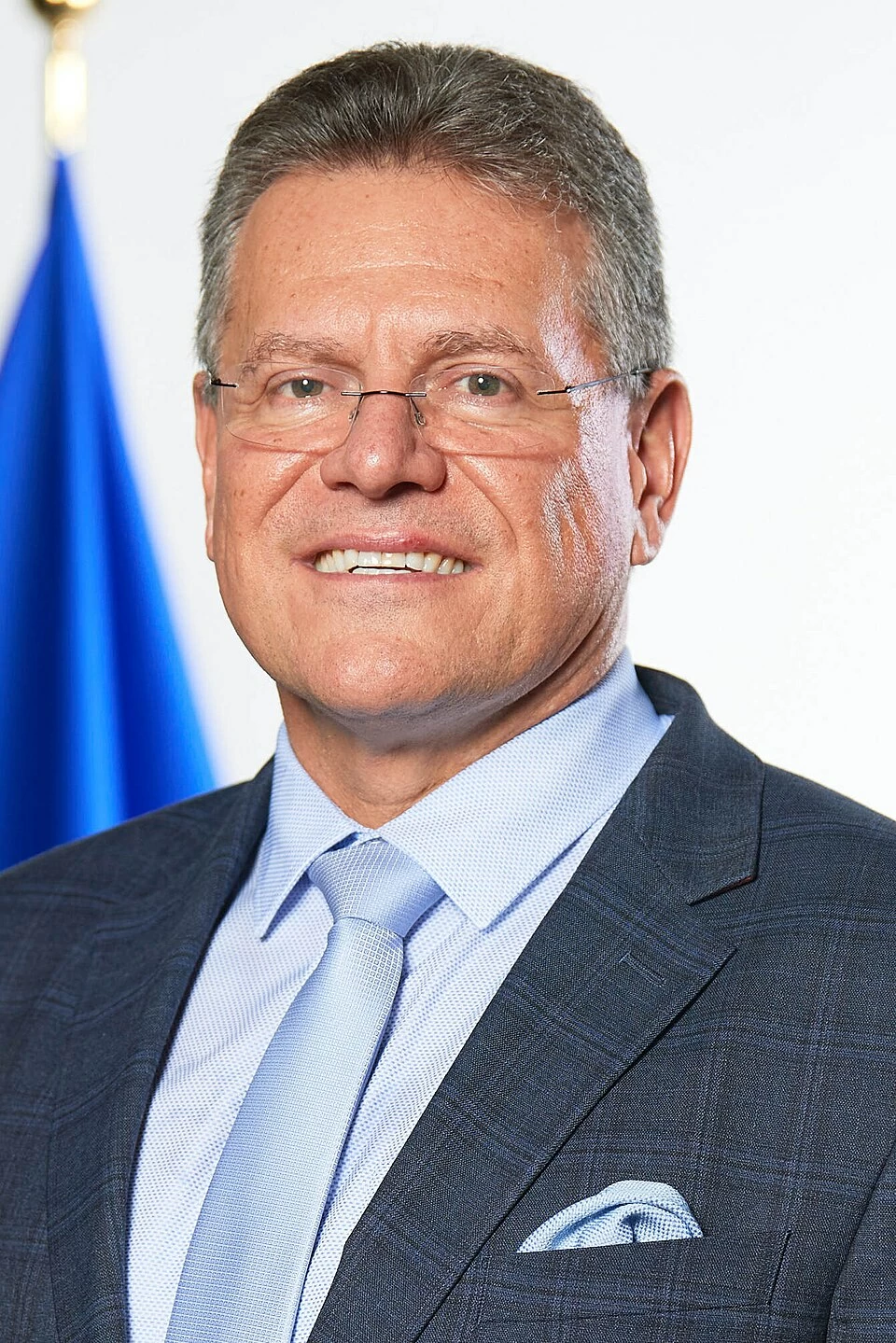
ووصفت الوزارة المحادثات التي جمعت وزير التجارة الصيني وانغ وينتاو ومفوض التجارة الأوروبي ماروش شيفتشوفيتش، خلال الأسبوع الجاري، بأنها «ناجحة»، وتمثل نقطة انطلاق جديدة للعلاقات التجارية بين الجانبين.
وأوضحت الوزارة أن النتائج والتفاهمات التي جرى التوصل إليها تعكس رغبة الصين والاتحاد الأوروبي وقدرتهما على إدارة الخلافات ومعالجتها عبر الحوار والتشاور، بما يسهم في الحد من الاحتكاكات التجارية وتجنب تصعيدها.
وكان مفوض التجارة الأوروبي قد أعلن، أمس (الجمعة)، عقب اختتام محادثات استمرت يومين، موافقة بكين على ضبط صادرات السيارات الهجينة إلى دول الاتحاد الأوروبي الـ27، في ظل الضغوط المتزايدة التي تواجهها شركات صناعة السيارات الأوروبية نتيجة المنافسة الصينية.
وأشار شيفتشوفيتش إلى أن التفاهمات تفتح المجال أمام خفض صادرات السيارات الهجينة الصينية إلى الاتحاد الأوروبي بأكثر من 50%، وفقاً لتوقعات تمتد لأربع سنوات.
The Chinese Ministry of Commerce confirmed today (Saturday) through a statement the possibility of avoiding an escalation of trade disputes with the European Union, following talks held by officials from both sides in Beijing, amid increasing fears of a trade war that could negatively impact the economies of both parties.
The ministry described the talks that brought together Chinese Commerce Minister Wang Wentao and European Trade Commissioner Maros Sefcovic this week as “successful,” representing a new starting point for trade relations between the two sides.
The ministry clarified that the results and understandings reached reflect the willingness and ability of China and the European Union to manage and address disputes through dialogue and consultation, contributing to reducing trade frictions and avoiding escalation.
The European Trade Commissioner announced yesterday (Friday), after concluding two days of talks, that Beijing had agreed to regulate hybrid car exports to the 27 EU countries, amid increasing pressures faced by European automotive companies due to Chinese competition.
Sefcovic noted that the understandings open the door to reducing Chinese hybrid car exports to the European Union by more than 50%, according to forecasts extending over four years.