

 اختر منطقتك
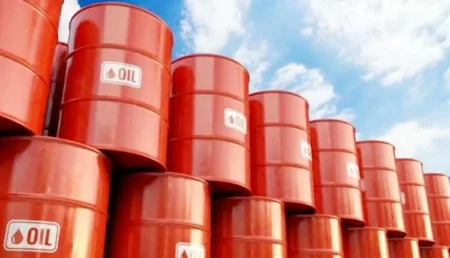
واصلت أسعار النفط ارتفاعها خلال تعاملات اليوم، إذ تجاوز سعر برنت تسليم سبتمبر القادم 91.48 دولار، وذلك عقب تحذير وكالة الطاقة الدولية من أن استمرار إغلاق مضيق هرمز وتراجع المخزونات الإستراتيجية يزيدان من مخاوف نقص الإمدادات.
وقال المحلل لدى بنك «يو بي إس» جيوفاني ستونوفو: «إن تراجع الصادرات عبر مضيق هرمز والمخاوف من تعطل شحنات النفط المارة عبر البحر الأحمر يدعمان الأسعار».
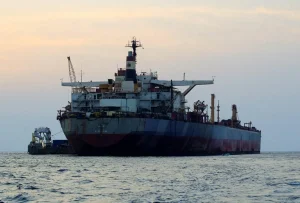
من جهتها، أكدت هيئة عمليات التجارة البحرية البريطانية تعرض ناقلة نفط في مضيق هرمز لمقذوف مجهول، ما أجبر طاقمها على إخلائها، في ظل استمرار تراجع حركة الملاحة عبر الممر المائي الحيوي.
مراقبة الوضع
أعلنت وكالة الطاقة الدولية اليوم أنها تراقب عن كثب الوضع في أسواق النفط. وأوضحت الوكالة أن السحب المستمر من مخزونات الطوارئ لدى الدول الأعضاء في الوكالة يوفر ارتياحاً كبيراً للأسواق. وأشارت إلى أن الدول الأعضاء في الوكالة سحبت نحو 290 مليون برميل نفط منذ 11 مارس الماضي، وبينت أن الدول الأعضاء لا تزال تحتفظ بكمية كبيرة من مخزونات الطوارئ بما في ذلك أكثر من مليار برميل من المخزونات التي تسيطر عليها الحكومات.
Oil prices continued to rise during today’s trading, as the price of Brent for September delivery exceeded $91.48, following a warning from the International Energy Agency that the ongoing closure of the Strait of Hormuz and the decline in strategic stocks are increasing concerns about supply shortages.
UBS analyst Giovanni Staunovo stated: “The decline in exports through the Strait of Hormuz and concerns about disruptions to oil shipments passing through the Red Sea support prices.”
For its part, the UK Maritime Trade Operations Agency confirmed that an oil tanker in the Strait of Hormuz was hit by an unknown projectile, forcing its crew to evacuate, amid a continued decline in navigation through the vital waterway.
Monitoring the Situation
The International Energy Agency announced today that it is closely monitoring the situation in the oil markets. The agency explained that the ongoing withdrawals from emergency stocks by member countries provide significant relief to the markets. It noted that member countries have withdrawn about 290 million barrels of oil since March 11, and indicated that member countries still hold a large amount of emergency stocks, including over one billion barrels of stocks controlled by governments.