

 اختر منطقتك
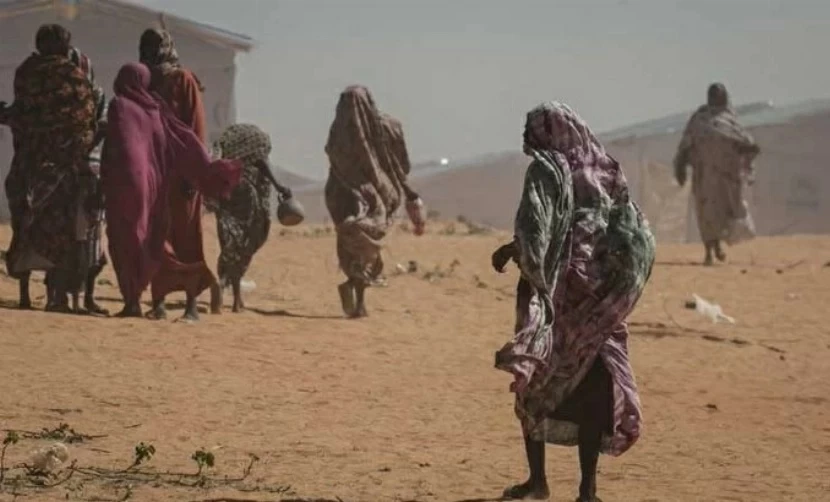
كشف تقرير عن تفاقم الأوضاع الإنسانية والمعيشية في العاصمة السودانية الخرطوم، التي تشهد نقصاً حاداً في إمدادات مياه الشرب، حيث وصل سعر برميل المياه إلى نحو أربعة آلاف جنيه، وذلك بحسب ما نشر موقع «العربية. نت».
وحذّر عضو بغرف طوارئ الجريف شرق من تفاقم أزمة المياه شرق النيل بالعاصمة الخرطوم، مع استمرار انقطاع الكهرباء، واعتماد أحياء واسعة على آبار التقوية ومصادر مياه غير آمنة، وسط مخاوف من انتشار الأمراض المنقولة بالمياه خلال فصل الخريف.
اعتماد على الآبار
وقال عضو غرف الطوارئ: «إن عدداً من أحياء شرق النيل، من بينها الجريف شرق وحي الهدى، لا تزال تعتمد بصورة أساسية على آبار التقوية داخل الأحياء، في ظل عدم ربط الشبكات الداخلية بمصادر المياه الرئيسية القادمة من محطتي بحري والمقرن».
وأوضح أن انقطاع الكهرباء لفترات طويلة أدى إلى تعطل تشغيل الآبار، ما دفع السكان والجهود الشعبية إلى الاعتماد على الطاقة الشمسية لتشغيل بعضها، لكنه أشار إلى أن المياه تصل بصورة أفضل إلى المناطق القريبة من الآبار، بينما تعاني الأحياء البعيدة من ضعف الإمداد أو انقطاعه لفترات طويلة.
غياب التدخل الحكومي
وأضاف أن عدداً من السكان يضطرون إلى شراء المياه المنقولة بعربات الكارو أو قطع مسافات طويلة للحصول عليها من أحياء أخرى، مشيراً إلى أن سعر برميل المياه من الكارو وصل إلى نحو أربعة آلاف جنيه.
وانتقد غياب التدخل الحكومي لإصلاح أعطال الآبار وتوفير مصادر مستدامة للمياه. وقال: «إن معظم عمليات الصيانة وتركيب الطاقة الشمسية تمت بجهود شعبية ومساهمات من المغتربين والمنظمات وأفراد المجتمع».
وأفاد أن الأزمة قد تتفاقم خلال موسم الخريف بسبب تراجع كفاءة الطاقة الشمسية، في وقت لا تزال فيه شبكات المياه والكهرباء غير مستقرة، داعياً إلى تدخل عاجل من الجهات المختصة لربط الأحياء بشبكة المياه الرئيسية، وإصلاح الآبار المتعطلة، وضمان استقرار الكهرباء، إلى جانب فحص مصادر المياه ومراقبتها، محذراً من أن استمرار الوضع الحالي قد يؤدي إلى تفاقم الأزمة الصحية والإنسانية في شرق النيل.
A report has revealed the worsening humanitarian and living conditions in the Sudanese capital, Khartoum, which is experiencing a severe shortage of drinking water supplies, with the price of a barrel of water reaching about four thousand pounds, according to what was published by the “Al-Arabiya.net” website.
A member of the emergency rooms in Jireif East warned of the worsening water crisis in East Nile in the capital Khartoum, with ongoing electricity outages, and many neighborhoods relying on strengthening wells and unsafe water sources, amid fears of the spread of waterborne diseases during the rainy season.
Reliance on wells
The emergency room member stated: “Several neighborhoods in East Nile, including Jireif East and Al-Huda neighborhood, still primarily rely on strengthening wells within the neighborhoods, in light of the lack of connection of the internal networks to the main water sources coming from the Bahri and Al-Muqran stations.”
He explained that prolonged electricity outages have led to the failure of well operations, prompting residents and grassroots efforts to rely on solar energy to operate some of them. However, he noted that water reaches areas closer to the wells more effectively, while distant neighborhoods suffer from weak supply or prolonged outages.
Lack of government intervention
He added that many residents are forced to buy water transported by donkey carts or travel long distances to obtain it from other neighborhoods, pointing out that the price of a barrel of water from the cart has reached about four thousand pounds.
He criticized the lack of government intervention to repair well malfunctions and provide sustainable water sources. He said: “Most maintenance operations and the installation of solar energy were carried out through grassroots efforts and contributions from expatriates, organizations, and community members.”
He indicated that the crisis could worsen during the rainy season due to the decline in solar energy efficiency, while the water and electricity networks remain unstable. He called for urgent intervention from the relevant authorities to connect neighborhoods to the main water network, repair malfunctioning wells, ensure electricity stability, and examine and monitor water sources, warning that the continuation of the current situation could lead to a worsening of the health and humanitarian crisis in East Nile.