



 اختر منطقتك
منذ أن تصدّى الباحث المعرفي مجاهد عبدالمتعالي؛ للكتابة السابرة وأغوار الأزمات المجتمعية بمنقبة الشغف؛ تجلّت في أطروحاته شخصية (تراثيّ نابض بالحيوية والتجدد)، و(معاصر تتلبسه الأصالة من أُم رأسه إلى سويداء قلبه)، فيما هو مؤرق بإنسانية الإنسان الذي أدركه، وعايشه وهو ما زال على فطرته، وحاول منذ سِفره الأعمق (سياط الكهنوت) أن ينتصر للعفوية والبساطة المتجذرتين في ذاكرته وذكرياته، محتمياً بالنقاء الذي لم يتكلّفه قرويٌّ فاردٌ وجهه السخي للطير وشبّار الخير.
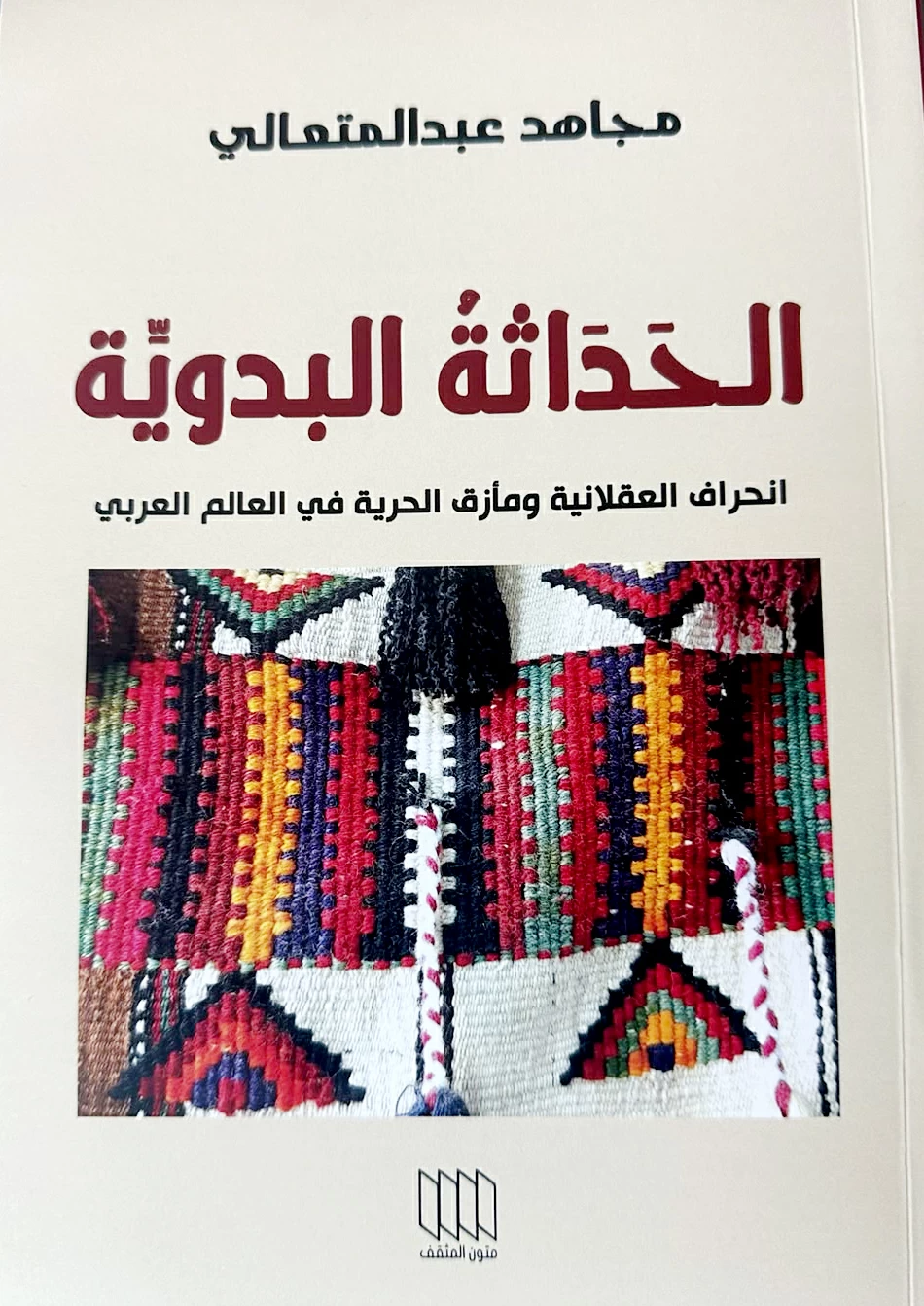
وفي الكتاب الأحدث (الحداثة البدويّة.. انحراف العقلانية ومأزق الحُريّة في العالم العربي) الصادر من أيام عن (متون المثقف)، انبرى لمساءلة الواقع عن أسباب قطع الطريق أمام سيرورة الخلق الطبيعية وصورتهم الواقعية؛ باعتبارها حصانة من الوقوع في مأزق مع خالق، وحماية من انتهاك خصوصية مخلوق، في زمن ما قبل الأدلجة والحكم على النوايا.
يرى الكاتب في البداوة حالة اجتماعية، لا صفة جينية؛ وينقض معرفيّاً (شجرة العائلة) لما لها من دوغمائية؛ ربما تجنح للتمييز والتعنصر، كون البعض، أعجز ما يكون عن استحضار جده السادس؛ لاعتبارات ثقافية، واقتصادية، فالبيئات كانت منشغلة بقوت يومها، لا إثبات نسبها، وكأنما هو يستحضر الأثر، (يا فاطمة بنت محمد اعملي فإني لا أملك لك من الله شيئاً؛ ومن بطّأ به عمله لم يُسرع به نسبه)، فالعودة إلى الإنساب، لإثبات الأفضلية إشكالية في ظلّ انعتاق أُمم بالمعرفة من أسر (الهياط الاجتماعي) والاستعاضة بالصناعة والاختراع و فلسفة الكون والحياة وفق معطيات عقلانية، لا تذعن للمستورد بداعي التمدن؛ ولا تقدّس البدائي بذريعة الخوف من التحولات.
جاء كتاب عبدالمتعالي في 323 صفحة من القطع الكبير، وحوى مباحث وفصولاً غاية في الجدارة بالتأمل، منها (تفكيك البنية البدويّة في الفكر العربي الحديث، والحداثة البدويّة بين الأكاديمية والشوفينية، ومن العصبية القبليّة إلى العصبيّة الرأسمالية)، ولم يخل الكتاب من الجمع بين المثل، والقصيدة، لتخفيف عبء التهمة ورفع الحرج عن بداوة لم تنج من مرآة الحداثة؛ لتفادي الصدامات الحادثة والمستحدثة بينها وبين الأجيال المفتونة بالوافد والديلفري.
Since the cognitive researcher Mujahid Abdul-Mutali tackled the probing writing and the depths of societal crises with the virtue of passion, his propositions revealed a personality that is (a vibrant and renewing heritage) and (a contemporary imbued with authenticity from the crown of his head to the core of his heart), while he is preoccupied with the humanity of the person he has encountered and lived with while still in their natural state. He has tried since his deeper work (The Whips of Priesthood) to champion the spontaneity and simplicity rooted in his memory and memories, seeking refuge in the purity that a peasant, who extends his generous face to the birds and the good, does not feign.
In his latest book (Bedouin Modernity: The Deviation of Rationality and the Predicament of Freedom in the Arab World), recently published by (Matun Al-Muthaqaf), he set out to question the reality regarding the reasons for obstructing the natural process of creation and their realistic image; considering it a safeguard against falling into a predicament with the Creator and a protection against violating the privacy of a creature, in a time before ideology and judging intentions.
The author sees Bedouinism as a social condition, not a genetic trait; and he intellectually refutes (the family tree) for its dogmatism, which may lean towards discrimination and racism, as some are unable to recall their sixth grandfather due to cultural and economic considerations, as environments were preoccupied with their daily sustenance, not proving their lineage. It is as if he invokes the saying, (O Fatima, daughter of Muhammad, work, for I do not possess anything for you from God; and whoever is slowed down by his deeds will not be hastened by his lineage), thus returning to lineages to prove superiority is problematic in light of nations liberating themselves through knowledge from the shackles of (social boasting) and replacing it with industry, invention, and the philosophy of the universe and life according to rational data that does not yield to the imported under the pretext of civilization; nor sanctifies the primitive under the guise of fear of transformations.
Abdul-Mutali’s book comes in 323 pages of large format and contains discussions and chapters that are worthy of contemplation, including (Deconstructing the Bedouin Structure in Modern Arab Thought, Bedouin Modernity between Academia and Chauvinism, and From Tribalism to Capitalist Tribalism). The book also combines examples and poetry to alleviate the burden of accusation and lift the embarrassment from a Bedouinism that has not escaped the mirror of modernity; to avoid the clashes occurring and emerging between it and the generations enchanted by the imported and the delivery.