


 اختر منطقتك
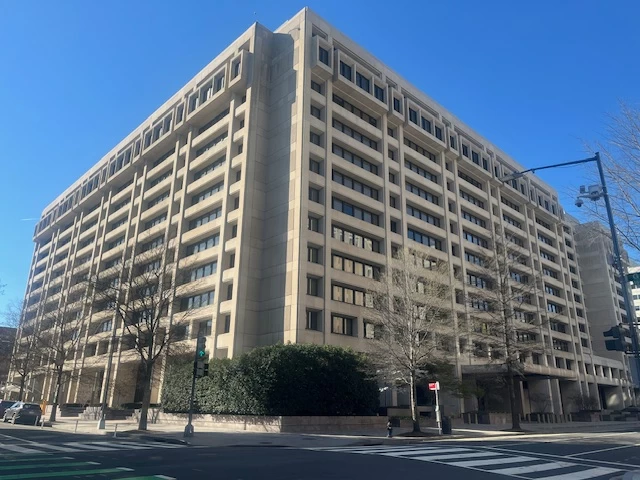
أكد صندوق النقد الدولي أن الاقتصاد السعودي يواصل تحقيق أداء قوي مدعوماً بمتانة الأسس الاقتصادية وتنوع القاعدة الإنتاجية واللوجستية، مشيراً أن المملكة سجلت زخماً اقتصادياً ملحوظاً خلال الفترة الأخيرة.
وأوضح الصندوق في بيان لرئيس بعثته عظيم صادقوف، اليوم (الأربعاء)، أن الناتج المحلي الإجمالي للمملكة ارتفع بنسبة 4.5% خلال عام 2025، مدفوعاً باستمرار النشاط غير النفطي وقوة الطلب المحلي، إلى جانب تحسن مستويات الإنتاج النفطي، كما حافظت سوق العمل على أدائها الإيجابي، فيما استقر معدل التضخم عند مستويات منخفضة تقل عن 2%.
وأشار البيان أن الاقتصاد السعودي أظهر مرونة عالية وقدرة كبيرة على التكيف مع المتغيرات الإقليمية، مستفيداً من كفاءة البنية التحتية وتكامل منظومة النقل والخدمات اللوجستية، ما أسهم في دعم استمرارية الأنشطة الاقتصادية وتعزيز كفاءة سلاسل الإمداد.
هوامش قوية
وأكد الصندوق أن المملكة تتمتع بهوامش أمان قوية تستند إلى مستويات دين حكومي منخفضة، واحتياطيات مالية مريحة، إضافة إلى الدور الحيوي الذي يؤديه صندوق الاستثمارات العامة في دعم التنمية الاقتصادية وتعزيز النمو المستدام.
وأشاد الصندوق بالإجراءات والسياسات الاقتصادية والمالية التي تنتهجها المملكة للحفاظ على الاستقرار الاقتصادي الكلي، مبيناً أن ربط الريال بالدولار الأمريكي يواصل دعم مصداقية السياسة النقدية وتعزيز الاستقرار المالي.
كما أثنى على متانة القطاع المصرفي السعودي، وما يتمتع به من مستويات قوية من رأس المال والسيولة، إلى جانب الجهود المستمرة للبنك المركزي السعودي في متابعة أوضاع السيولة والائتمان وتعزيز الأطر الرقابية والاحترازية.
تقليل الاعتماد على النفط
وفي سياق متصل، أكد الصندوق أن إصلاحات رؤية السعودية 2030 أسهمت بصورة ملموسة في تنويع الاقتصاد وتقليل الاعتماد على النفط، مرحباً بإعادة معايرة إستراتيجية صندوق الاستثمارات العامة للفترة 2026-2030، بما يعزز كفاءة تخصيص رأس المال ويرفع مساهمة القطاع الخاص في التنمية الاقتصادية.
ولفت أن المرحلة القادمة ستشهد مواصلة الجهود الرامية إلى تطوير بيئة الأعمال، وتعميق أسواق المال، ودعم المنشآت الصغيرة والمتوسطة، ومواءمة مخرجات التعليم مع احتياجات سوق العمل، إلى جانب التوسع في تطبيقات الذكاء الاصطناعي وتعزيز ممارسات الحوكمة.
The International Monetary Fund confirmed that the Saudi economy continues to achieve strong performance supported by robust economic fundamentals and a diverse production and logistics base, noting that the Kingdom has recorded a remarkable economic momentum in recent times.
The Fund clarified in a statement from its mission chief, Azeem Sadiqov, today (Wednesday), that the Kingdom’s GDP grew by 4.5% during the year 2025, driven by the continued non-oil activity and strong domestic demand, alongside improvements in oil production levels. The labor market maintained its positive performance, while the inflation rate remained stable at low levels below 2%.
The statement indicated that the Saudi economy has demonstrated high resilience and significant adaptability to regional changes, benefiting from the efficiency of infrastructure and the integration of the transportation and logistics system, which has contributed to supporting the continuity of economic activities and enhancing the efficiency of supply chains.
Strong Margins
The Fund confirmed that the Kingdom enjoys strong safety margins based on low government debt levels and comfortable financial reserves, in addition to the vital role played by the Public Investment Fund in supporting economic development and enhancing sustainable growth.
The Fund praised the economic and financial measures and policies adopted by the Kingdom to maintain macroeconomic stability, indicating that the peg of the Riyal to the US dollar continues to support the credibility of monetary policy and enhance financial stability.
It also commended the robustness of the Saudi banking sector, which enjoys strong levels of capital and liquidity, alongside the ongoing efforts of the Saudi Central Bank in monitoring liquidity and credit conditions and enhancing regulatory and precautionary frameworks.
Reducing Dependence on Oil
In this context, the Fund confirmed that the reforms of Saudi Vision 2030 have significantly contributed to diversifying the economy and reducing dependence on oil, welcoming the recalibration of the Public Investment Fund’s strategy for the period 2026-2030, which enhances the efficiency of capital allocation and increases the private sector’s contribution to economic development.
It noted that the upcoming phase will witness continued efforts aimed at developing the business environment, deepening financial markets, supporting small and medium enterprises, aligning educational outputs with labor market needs, as well as expanding applications of artificial intelligence and enhancing governance practices.