



 اختر منطقتك
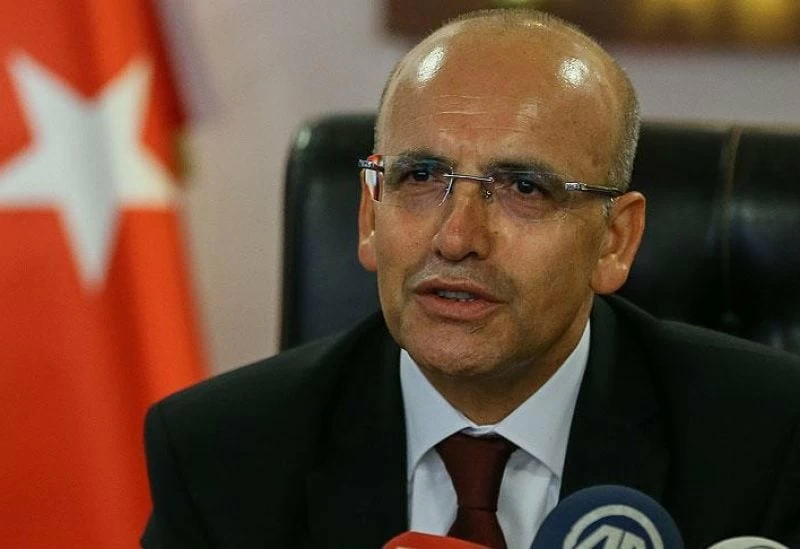
أعلن وزير المالية التركي محمد شيمشك أن الارتفاع الأحدث في معدل التضخم مؤقت، متوقعاً استمرار عملية خفض التضخم، وذلك بعد أن أظهرت البيانات ارتفاعاً كبيراً غير متوقع في أسعار المستهلكين.
وأضاف شيمشك في منشور على «إكس»، أن أسعار الطاقة والسلع الأساسية ارتفعت بسبب التطورات الجارية أخيراً؛ ما أدى إلى ضغوط قصيرة الأجل على توقعات التضخم.
وأظهرت بيانات نشرها المعهد التركي للإحصاء، اليوم، ارتفاع معدل تضخم أسعار المستهلكين إلى 4.18% على أساس شهري في أبريل الماضي، فيما قفز المعدل السنوي إلى 32.37%.
وتوقع خبراء أن يبلغ التضخم الشهري 3.28%، وأن يصل السنوي إلى 31.25%، بعدما قادت حرب إيران إلى ارتفاع حاد في أسعار الوقود.
تراجع تدريجي
وكان التضخم تباطأ في مارس الماضي إلى 1.94% على أساس شهري، و30.87% على أساس سنوي. وكان المعدلان دون التوقعات.
يذكر أن تركيا تعاني تضخّماً من رقمين منذ العام 2019، إذ ظل التضخم السنوي متجاوزاً الـ30% خلال الأعوام الأربعة الماضية.
وبلغ التضخم ذروته متجاوزاً 75% في مايو 2024، قبل أن يبدأ بالتراجع تدريجياً.
The Turkish Finance Minister, Mehmet Şimşek, announced that the recent rise in the inflation rate is temporary, expecting the process of reducing inflation to continue, after data showed a significant and unexpected increase in consumer prices.
Şimşek added in a post on “X” that energy and commodity prices have risen due to recent developments, leading to short-term pressures on inflation expectations.
Data published by the Turkish Statistical Institute today showed that the monthly consumer price inflation rate rose to 4.18% in April, while the annual rate jumped to 32.37%.
Experts predicted that monthly inflation would reach 3.28% and annual inflation would hit 31.25%, after the Iran war led to a sharp increase in fuel prices.
Gradual Decline
Inflation had slowed down in March to 1.94% on a monthly basis and 30.87% on an annual basis. Both rates were below expectations.
It is worth noting that Turkey has been experiencing double-digit inflation since 2019, with the annual inflation rate remaining above 30% over the past four years.
Inflation peaked at over 75% in May 2024 before beginning to gradually decline.