


 اختر منطقتك
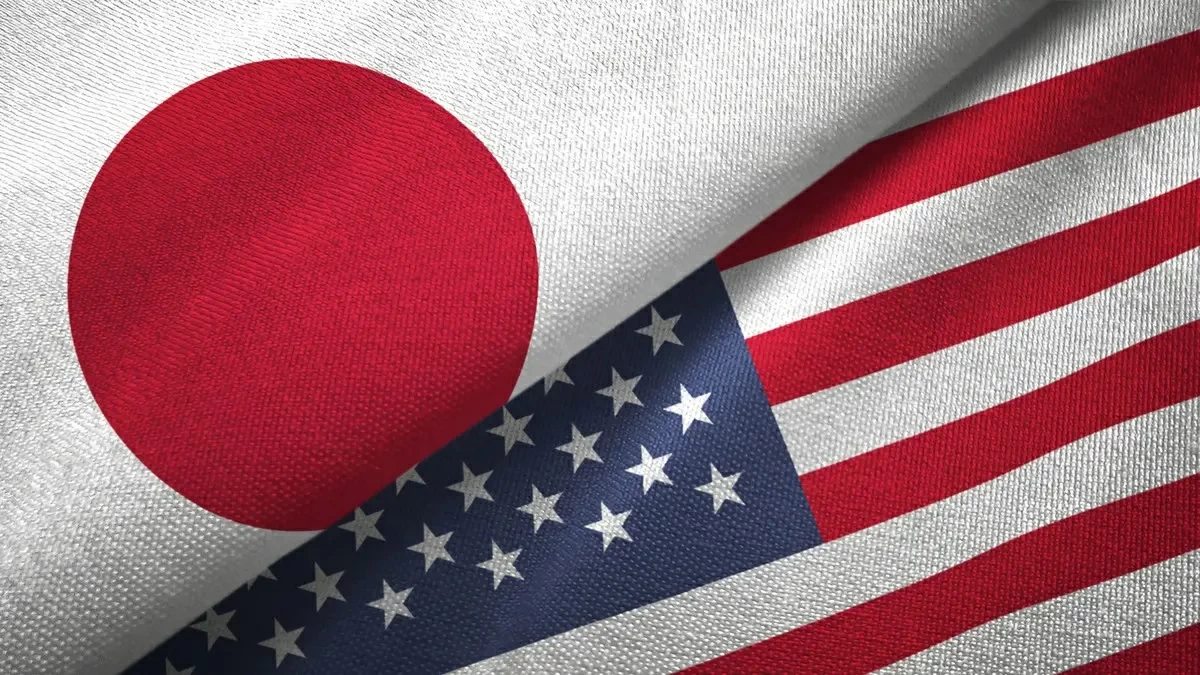
وقعت اليابان اتفاقية قرض بقيمة 2.2 مليار دولار لأول دفعة من مشروعات تأتي في إطار تعهدها باستثمارات في الولايات المتحدة بقيمة 550 مليار دولار، لتطلق بذلك العنان لتمويل مرتبط باتفاق تجاري من شأنه خفض الرسوم الجمركية الأمريكية على الواردات اليابانية إلى 15%.
وأعلن بنك اليابان للتعاون الدولي المملوك للدولة اليوم (الجمعة) أنه سيوفر نحو ثلث مبلغ القرض الأول، على أن توفر البنوك التجارية باقي المبلغ.
وتشمل أول ثلاثة مشروعات، والتي تبلغ قيمتها الإجمالية 36 مليار دولار، منشأة في تكساس لتصدير النفط ومصنعاً في جورجيا للألماس الصناعي ومحطة في أوهايو لتوليد الطاقة بالغاز الطبيعي.
وبموجب الاتفاق مع الولايات المتحدة، سيتم تقسيم التدفقات النقدية الحرة الناتجة عن الاستثمارات بالتساوي بين البلدين لحين الوصول إلى حصة محددة يذهب بعدها 90% من تلك التدفقات إلى الولايات المتحدة.
يذكر أن البيت الأبيض أعلن أن الرئيس الأمريكي دونالد ترمب ورئيسة الوزراء اليابانية ساناي تاكايتشي وقعا على اتفاقية إطارية لتأمين إمدادات المعادن الإستراتيجية من خلال التعدين والمعالجة.
وجرى التوقيع خلال زيارة ترمب إلى اليابان، وهي جزء من جولته الأوسع في آسيا، حيث يتطلع كلا البلدين إلى تعزيز سلاسل الإمداد من المعادن الإستراتيجية المستخدمة في قطاعات شتى من الطاقة المتجددة إلى الإلكترونيات والسيارات.
Japan has signed a loan agreement worth $2.2 billion for the first batch of projects as part of its commitment to invest $550 billion in the United States, thereby unleashing financing linked to a trade agreement that would reduce U.S. tariffs on Japanese imports to 15%.
The Japan Bank for International Cooperation, which is state-owned, announced today (Friday) that it will provide about one-third of the initial loan amount, while commercial banks will supply the remaining amount.
The first three projects, which have a total value of $36 billion, include a facility in Texas for oil exports, a factory in Georgia for synthetic diamonds, and a plant in Ohio for natural gas power generation.
Under the agreement with the United States, the free cash flows generated from the investments will be divided equally between the two countries until a specified share is reached, after which 90% of those flows will go to the United States.
It is worth noting that the White House announced that U.S. President Donald Trump and Japanese Prime Minister Sanae Takachi signed a framework agreement to secure supplies of strategic minerals through mining and processing.
The signing took place during Trump’s visit to Japan, which is part of his broader tour of Asia, as both countries seek to strengthen supply chains for strategic minerals used in various sectors from renewable energy to electronics and automobiles.