



 اختر منطقتك
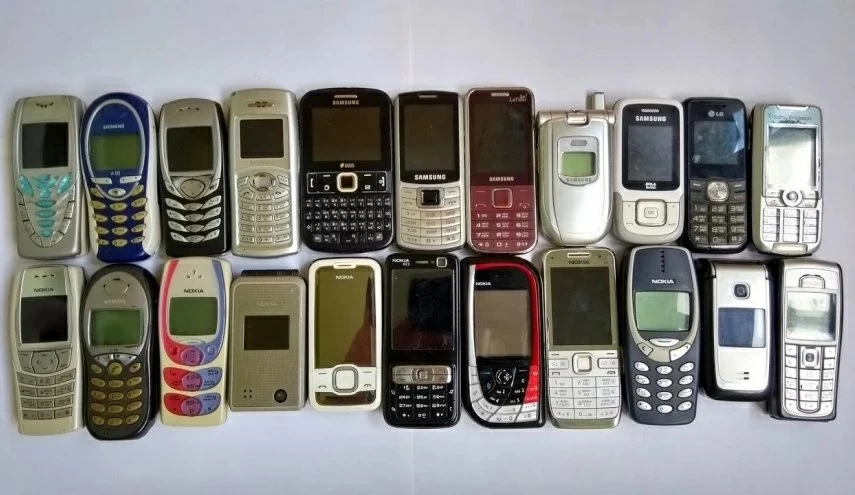
في مفارقة لافتة، وبينما يندفع العالم بسرعة نحو الذكاء الاصطناعي والتكنولوجيا المتقدمة، بدأ اتجاه معاكس يتشكل بهدوء، ويتمثل في عودة مفاجئة إلى الهواتف «البسيطة».
هذه الموجة لم تعد مجرد حنين للماضي، بل تحولت إلى ما يشبه «التمرد الرقمي»، تقوده أجيال شابة قررت الخروج من دوامة الإشعارات والخوارزميات التي تستهلك وقتها وتركيزها.
اللافت أن أرقام السوق تؤكد هذا التحول؛ إذ سجلت مبيعات الهواتف غير الذكية نموًا ملحوظًا، بينما اعترف عدد كبير من الشباب، خصوصا من جيل زد، بأنهم يتجهون لاستخدام أجهزة محدودة الإمكانيات لفترات محددة، فقط لاستعادة السيطرة على حياتهم.
القصة لم تعد رفاهية، بل أزمة «انتباه». فالتطبيقات الحديثة صُممت لتبقي المستخدم متصلاً أطول وقت ممكن، عبر إشعارات لا تتوقف، ما يجعل الدماغ في حالة تشتيت دائم. وتشير دراسات إلى أن الإنسان يحتاج أكثر من 20 دقيقة ليستعيد تركيزه بعد كل مقاطعة رقمية.
لهذا، بدأ البعض في اتخاذ قرار جذري: إغلاق الباب بالكامل.
الهاتف البسيط، الذي كان يُعتبر قديمًا، عاد ليصبح أداة «تحرر»، لا يرسل بيانات كل دقيقة، ولا يتتبع سلوكك، ولا يغرقك في محتوى لا ينتهي. مجرد مكالمات ورسائل، وهدوء.
في المقابل، شعرت شركات التكنولوجيا بالخطر. فمع تزايد الحديث عن «الإرهاق الرقمي»، بدأت التطبيقات نفسها في تقديم حلول غريبة: إلغاء التمرير اللانهائي، وتقليل الإشعارات، وحتى تصميم أوضاع استخدام «أهدأ».
لكن التحول الأكبر يحدث خلف الكواليس. فشركات الذكاء الاصطناعي بدأت تتكيف مع فكرة أن المستخدم قد لا يقضي ساعات طويلة أمام الشاشة، فظهرت فكرة «الوكيل الرقمي» الذي يجلب لك المعلومة دون أن تضطر للغرق في الإنترنت.
المفارقة أن التكنولوجيا تحاول الآن إصلاح ما صنعته بنفسها.
وفي النهاية، ما يحدث ليس انسحابًا من المستقبل، بل إعادة تعريف له، حيث لا تكون التكنولوجيا هي المسيطرة، بل مجرد أداة في يد الإنسان.
In a striking paradox, while the world rushes rapidly towards artificial intelligence and advanced technology, a counter trend has quietly begun to take shape, characterized by a surprising return to “simple” phones.
This wave is no longer just a nostalgia for the past; it has transformed into what resembles a “digital rebellion,” led by younger generations who have decided to break free from the cycle of notifications and algorithms that consume their time and focus.
Notably, market figures confirm this shift; sales of non-smartphones have seen significant growth, while a large number of young people, especially from Generation Z, have admitted that they are turning to limited-capability devices for specific periods, just to regain control over their lives.
The story is no longer a luxury but a “attention crisis.” Modern applications are designed to keep users connected for as long as possible, through incessant notifications, which keeps the brain in a constant state of distraction. Studies indicate that a person needs more than 20 minutes to regain their focus after each digital interruption.
For this reason, some have begun to make a radical decision: to close the door completely.
The simple phone, once considered outdated, has returned to become a “liberation” tool, not sending data every minute, not tracking your behavior, and not drowning you in endless content. Just calls and messages, and tranquility.
In contrast, technology companies have felt the danger. With the increasing talk of “digital fatigue,” the apps themselves have started to offer strange solutions: eliminating infinite scrolling, reducing notifications, and even designing “calmer” usage modes.
But the biggest shift is happening behind the scenes. AI companies have begun to adapt to the idea that users may not spend long hours in front of screens, leading to the emergence of the “digital agent” concept that brings you information without you having to drown in the internet.
The irony is that technology is now trying to fix what it has created itself.
In the end, what is happening is not a withdrawal from the future, but a redefinition of it, where technology is not the dominant force, but merely a tool in the hands of humans.