


 اختر منطقتك
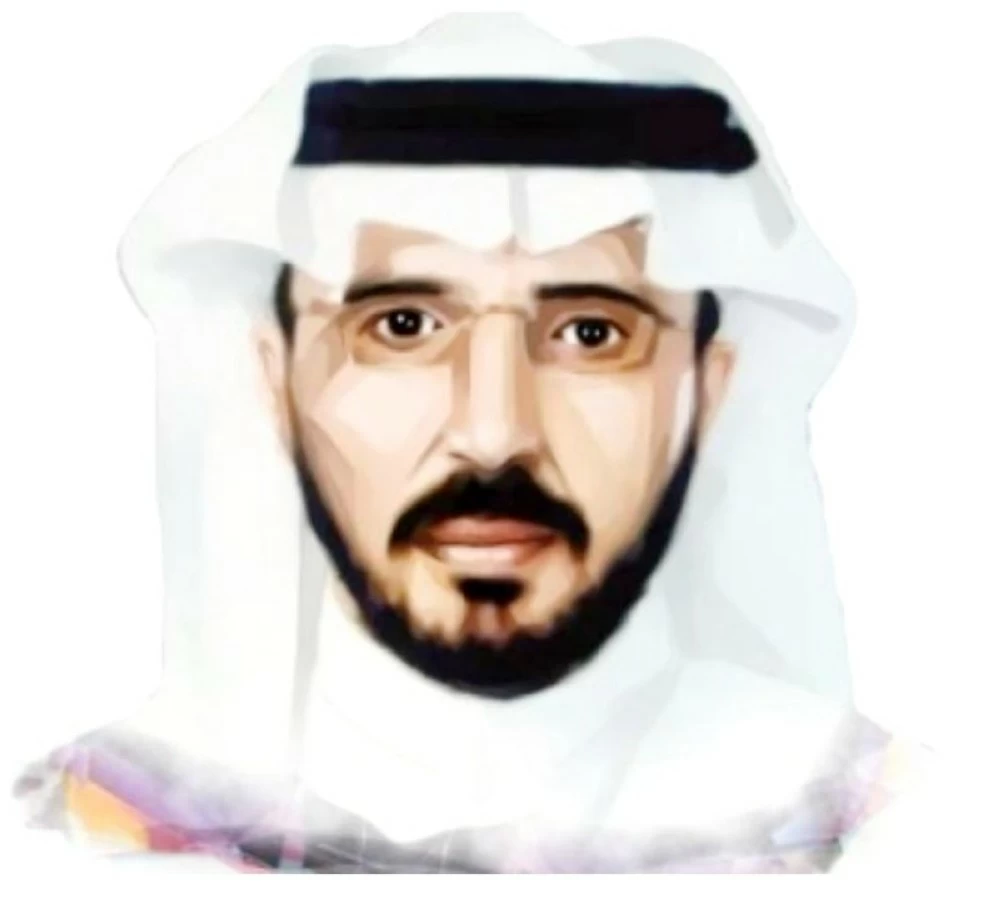
للحوار مع شخصيّة بقامة الباحث الفلسفي يوسف أبا الخيل، تشوفّات، واستشعار طمأنينة بانتصار الوعي لنفسه، دون صخب ولا كثير خصام وعتب، فضيف هذه المساحة حضر في المشهد الثقافي منذ الثمانينات، وفي زمن متسم بالقلق، والتردد، في طرح أفكار تنتصر للحياة، إلا أنه امتلك شجاعة التعبير عمّا حصد من حقل المثاقفات، وحرر كثيراً من الإشكالات التي كان التنوير معنيّاً بها، وفي هذا الحوار يتعرّف القارئ المعاصر على وجهٍ من وجوه النضال ضد الظلامية، وفي هذه الردود ما يؤكد ما تتميز به شخصيته من رصانة، وما يرتكن إليه طرحه من هدوء وانسيابية لا تستفز بقدر ما تدفع للتأمل والبحث والاستقصاء، فإلى نصّ الحوار:
• أين أنت اليوم؟
•• موجود في المكان، غريب في الزمان.
• ماذا تبقى من أزمنة الجدل والحوار مع التيارات الفسيفسائية؟
•• لم تكن حينها حوارات بالمعنى الحقيقي للحوار. ذلك أن الحوار يلزم لكي يكون حقيقياً، أن يكون متكافئاً، بينما كانت المناقشات في ذلك الزمن تجري في ظل سيطرة صوت واحد على مفاصل الحياة الثقافية، ومن ثم كان الصوت المختلف هامساً خائفاً وجِلاً من الاصطدام بالحشود، التي كانت حينها تمثل العصبية الحاملة للفكرة الصحوية.
• هل انزاحت أعباء فكرة التغيير عن صدر وكاهل المثقف بالقرارات الإصلاحية في المملكة؟
•• لا شك أن التغييرات الإصلاحية الضخمة التي جاء بها عهد خادم الحرمين الشريفين الملك سلمان بن عبدالعزيز، أزاحت عن كاهل المثقف التنويري عبء المطالبة، وانتظار الأمل بحدوث تغييرات ثقافية، تحمل معها بشائر الأنسنة، إلا أنه يبقى دور المثقف النوعي في تأصيل تلك التغييرات من منظور ثقافي-اجتماعي-شرعي قائماً وملحاً، فهي مهمته الأساسية اليوم. فالقيادة أعادت السكة إلى مجراها الطبيعي، إلا أن إدخالها في الوعي الجمعي مرهون بدور النخب، وللأسف فالمثقفون المعنيون لم يقوموا بدورهم كما يجب، باستثناء المجهودات المتواصلة التي يقوم بها رئيس رابطة العالم الإسلامي الدكتور محمد العيسى في التأصيل الشرعي لأنسنة الخطاب الديني، ولا شك أن ما يقوم به مجهود ضخم ومقدر وفي سياقه المنتظر، على الرغم مما يعانيه من معارضة الخطاب المتطرف.
• ما الذي يملأ فراغ المنشغل بالفكر اليوم؟
•• في رأيي، المنشغل بالفكر التنويري الأنسني ليس لديه فراغ، ذلك أن التنوير والأنسنة، خصوصاً تلك المنطلقة من تأصيل شرعي، عملية بطيئة معقدة تحتاج إلى أجيال وراء أجيال حتى تعطي ثمارها، ومن هنا، فالفكر النوعي ممتدٌ عبر الزمان والمكان، وتحمله أجيال بعد أجيال.
• كيف تقرأ انعدام المخاوف والمحاذير التي كان تيار الصحوة ينذر بها فيما لو تأنسن المجتمع؟
•• الصحوة، بصفتها فكراً ذا بطانة أيديولوجية، يقوم على فكرتَي «الاصطفاء» و«الأحادية» اللتين تعتمدان على تطويع الأتباع من خلال تخويفهم من الزيغ والضلال إن هم اتبعوا طريقاً غير طريقهم؛ أعني طريق الصحوة. وهم يقدمون نذرهم على الأقل عن طريق اتهام المخالفين، أو الذين لا يتبعونهم بالبدعة. ولكون الأتباع لم يكونوا حينها محصّنين من سيطرة النزعة الجمعية، تموضعوا داخل الشرنقة الصحوية، فصاروا خائفين وجلين من أن يوصموا على الأقل بالبدعة، إن هم خالفوها أو أبدوا رأياً مخالفاً لأدبياتها. مع أنها؛ أي الصحوة، مجرد مقولات وأفكار كانت تعكس توجهاً فردياً تحول إلى خطاب جمعي بفعل التحشيد الجماهيري.
• هل وقع التنوير في الوجل من الصحوة؟
•• لا أظن أنهم وجلون إلى حدّ أنهم لا ينشرون أفكارهم، لكنهم حذرون من مواقع بعض المتشددين في منصات التواصل الاجتماعي، خصوصاً أن كثيراً منهم للأسف يتعامل مع مخالفيه من منظور براغماتي بحت، فتجدهم يؤولون كلام مخالفيهم إلى دليل اتهام عقدي! ومع ذلك، لا بد من الاعتراف بأن الخطاب الصحوي، وإن فقد وهجه في الظاهر نتيجة فقده للحشود التي تحمله، فإنه إلى الآن لم يُنقد في رأيي نقداً علمياً رصيناً، بعرض مضامينه على قواطع الإسلام الثابتة على مر الزمان وتغير المكان.
• هل تظل الثوابت كما هي؟ أم يمكن أن تغدو مرنة وتقبل التغيير أو التحوير؟
•• عندما نتحدث عن الثوابت في إطار الإسلام فإن ثوابته محصورة في أركان الإيمان الستة وأركان الإسلام الخمسة، وما يتصل بالعبادات من ناحية كنهها، وعددها، وشكلها، وزمنها. أما ما يتصل بباب المعاملات فلكونها تنظم أمور الناس في دنياهم فهي عبارة عن (قوانين)، والقوانين معبرة عن السياقات الزمنية والمكانية والسياسية والاقتصادية والاجتماعية التي تنظمها، وهذه السياقات كما نعرف متغيرة بتغير الأزمنة والأمكنة، ومن ثم يتعين أن تكون مرنة تجاه تلك التغيرات. ولنا أمثلة من فعل الصحابة رضي الله عنهم، كإسقاط عمر بن الخطاب -رضي الله عنه- حد السرقة عام الرمادة، وإيقافه نصيب آل البيت في الخمس، وتعليق سهم المؤلفة قلوبهم، ومنعه توزيع أراضي سواد العراق، رغم أن هذه قضايا نزلت بها نصوص قطعية الثبوت والدلالة، إلا أنه -رضي الله عنه- رأى أن الواقع لم يعد ملائماً، سوسيولوجياً وسياسياً واقتصادياً لتطبيق النص المعاملاتي.
• متى استشعرت نسبية الحقيقة؟ وما أبرز تجلياتها في حياتك؟
•• النسبية قانون وجودي، نجده في الطبيعيات وفي الاجتماعيات معاً. ورغم أنه قانون وجودي إلا أننا نغفل عنه فنظل أسارى لآراء ونظريات بحسبانها حقاً مطلقاً وما هي بذلك. والحقيقة أن القراءة المعمقة في الفلسفة وعلم الاجتماع وفي نظرية المعرفة تدرب الإنسان على استشعار ومن ثم تبني نسبية الحقيقة. بل إن الحقيقة لها دورة حياة كدورة حياة الكائن الحي، ولقد انتبه إلى ذلك الفيلسوف والطبيب غوستاف لوبون فألف كتاباً بهذا المعنى سماه «حياة الحقائق». ويحسن بنا في هذا المقام أن نتذكر ما كان يقوله فيلسوف العلم غاستون باشلار من أن ما يميز النظريات العلمية هو قابليتها للتكذيب، وهذا دليل عميق على نسبية الحقيقة حتى في العلم الطبيعي، فما بالك بما يتعلق بالاجتماع.
• أين تكمن إشكالية مثقف العصر الرقمي؟ وما الحلول؟ بالطبع أعني الأدلجة، والتسييس، والمقامرة.
•• إن جاز لنا أن ننحت مصطلح «المثقف الرقمي» فأرى أن هذا المثقف تعود على النسخ واللصق، فأصبحت معلوماته تسلق سلقاً دون أن تمر على أبجديات التمحيص العلمي. عكس مثقف الكتب التقليدية الذي يتعب في تحصيل المعلومة، ثم يجدّ في تعديلها أو جرحها قبل الخروج بها على الناس.
• ممَّ تخاف على تعليمنا؟ وما الذي يحتاجه في هذه المرحلة؟
•• ما يخوفني على التعليم هو تحديداً تضعضع الجدية لدى طالب اليوم، وعدم أخذه التعليم بجدية كافية خصوصاً مع شيوع منتديات التواصل الاجتماعي والذكاء الاصطناعي تحديداً الذي أصبح الطالب يعتمد عليه بما في ذلك حلول واجباته والقيام بأبحاثه.
• بماذا نؤسس لقيم الجمال في الأجيال؟
•• نستطيع أن نؤسس لقيم الجمال بتدريس فلسفة الجمال في التعليم العام والعالي، خصوصاً فلسفة الجمال لدى كل من كانط وهيجل، كما نستطيع أن نؤسسها في مجتمعاتنا خصوصاً لجهة التأكيد على أهمية الجمال بكل تمظهراته لحياة أرقى وأكثر جودة.
• هل انتهى زمن الثقافة الصلبة والأفكار الخشنة؟
•• أكثر ما أخشاه على المجمتع الانغماس المتسارع في ما سماه آلان دورنو «ثقافة التفاهة». لو نلاحظ لاكتشفنا أن اهتمامات بعض الشباب والشابات اليوم موغلة في السطحية، تجدهم مستهلكين بقوة لمنتجات الحضارة الغربية دون أن يتساءلوا: كيف وصلت تلك الحضارة إلى هذا المستوى المذهل من التقدم العلمي؟ أعني غياب الدهشة والانبهار بالعلم، وهذا مؤشر قوي جدا على تضعضع أو حتى انعدام الروح العلمية والتفكير العلمي، أو على الأقل غياب التساؤلات العلمية. أيضاً يُلاحَظ غياب الجدية سواء في الدراسة أو في أداء الأعمال. لا تجد الفرد، خصوصاً الشباب، جادين في الدراسة وفي أداء أعمالهم، وهذه معضلة كبيرة.
• رغم التخصص المالي، والطرح الفلسفي، تستهويك الرياضة وكرة القدم تحديداً، ما الجامع بين الثلاثي؟
•• بين التخصص المالي والفلسفة علاقة متينة، كانت الدرجات العلمية تمنح، وربما لا تزال في بعض الجامعات الأوروبية، بدرجة «الفلسفة في تخصص كذا»، فمثلاً يقال «فلان حاصل على (دكتوراه الفلسفة في إدارة الأعمال)»، أما الرياضة وتحديداً كرة القدم فأنا أتابع المحلية منها كهواية فقط، أما العالمية فلا أكاد أعرف منها شيئاً يذكر.
• ما بين القبول بالتعددية المجتمعية وبين التعايش مع الآخر ما زالت هناك فجوة، بماذا يمكن ردمها لتتحقق المكاسب الوطنية؟
•• التعددية وقبول الآخر المختلف لم يعد ترفاً بل هو قانون اجتماعي طبيعي ثابت. اُنظر إلى قوله تعالى (ولو شاء ربك لجعل الناس أمة واحدة ولا يزالون مختلفين. إلا من رحم ربك ولذلك خلقهم).. الآية. ولو تمعنّا لوجدنا أن الآية الكريمة عبّرت عن الاختلاف بالفعل المضارع المستمر (لا يزالون)؛ أي سيظل الناس مختلفين إلى أن يرث الله الأرض ومن عليها. وعدم قبول التعددية وعداء الآخر من منطلق ديني أو مذهبي لم يأتِ من القرآن الكريم، أو من متواتر السنة الشريفة، بل جاءنا للأسف من النصوص الثانوية التي حفت بالمذاهب العقدية حين كان كل أصحاب مذهب ينافحون عن مذهبهم، ويؤسسون لعداء ديني لمخالفيهم، من خلال ما عبّر عنه الباحث عبدالجواد ياسين بـ«التنصيص». ويكفي في هذا المجال أن نتذكر مضامين «صحيفة المدينة» التي آخى فيها الرسول صلى الله عليه وسلم بين مواطني دولة المدينة من مسلمين ويهود ومسيحيين بأن يكونوا يداً واحدة للدفاع عن بلدهم مع احتفاظ كل ملّة بدينها، لنعلم كيف أسس الإسلام لعلاقات سياسية واجتماعية تقوم على الإخاء المدني قبل إحلالها في العالم المعاصر بما يزيد على ألف سنة.
• ما أبرز النتاج المطبوع؟ وهل من مشروع تراكمي بدأته وتطمح لإتمامه؟
•• للأسف ليس لدي كتب مؤلفة، لأني عندما بدأت بقراءة الفلسفة كنت أعجب من أناس قضوا أعمارهم في تأليف كتاب واحد. خذ مثلاً كارل ماركس قضى 40 عاماً في تأليف كتابه (رأس المال)، بينما قضى هربرتسبنسر نحو 40 عاماً في تأليف كتابه (أسس علم الاجتماع)، وقضى ابن رجب الحنبلي أعواماً عدة في تأليف كتابه (طبقات العلوم والحكم)، فكنت أجد نفسي عاجزاً عن قضاء أعوام معقولة في التأليف، وبالوقت نفسه لم أشأ أن أسلك سبيل التأليف السطحي، الذي يقضي فيه المؤلف بضعة أشهر ليشارك به في معرض الكتاب، أو يتباهى به في المقاهي الثقافية.
• كيف تنظر إلى الرياضة؟ وهل لك ميول نصراوية؟
•• الرياضة ينبغي أن تكون ركناً أساسياً في حياتنا لجهة ممارستها، خصوصاً في ظل شيوع التواكل والاتكالية التي أصيب بها إنسان العصر بسبب طغيان استخدام وسائل النقل الحديثة على حياتنا، لا سيما أن الأبحاث والدراسات لا تتفق بشكل قطعي على شيء مثلما تتفق على أهمية الرياضة للحياة الصحية. أما من جهة متابعتها وتشجيع فريق معين فذلك أراه جيداً إذا ما ظل في فلكه المعتاد، بمعنى ألا يتحول إلى ما يشبه الولاء والبراء في علاقاتنا مع الآخرين. وبالنسبة لنادي النصر فوضعه في نظري مثل ذلك المريض المصاب بمرض مزمن لا يُرجى شفاؤه، والمشكلة أن هذا المريض يتعافى فجأة فيستبشر أهله ومحبوه بأنه عاد كما ينبغي أن يكون، لكنه لا يلبث أن يعاوده المرض المزمن فُيُحزِن أحباءه ويدركون أنه لا يزال في المربع الأول.
In a dialogue with the philosophical researcher Yusuf Aba Al-Khail, there is a sense of tranquility in the triumph of consciousness over itself, without noise or much argument and reproach. The guest in this space has been present in the cultural scene since the 1980s, during a time marked by anxiety and hesitation in presenting ideas that champion life. However, he possessed the courage to express what he has gathered from the field of intercultural dialogue and has liberated many of the issues that enlightenment was concerned with. In this dialogue, contemporary readers will discover a facet of the struggle against darkness, and in these responses, there is confirmation of the sobriety that characterizes his personality, and what his discourse relies on is a calmness and fluidity that does not provoke but rather encourages contemplation, research, and inquiry. So, here is the text of the dialogue:
• Where are you today?
•• I am present in place, but a stranger in time.
• What remains of the times of debate and dialogue with the mosaic currents?
•• At that time, there were no dialogues in the true sense of the word. For dialogue to be genuine, it must be equitable, while discussions during that time were conducted under the control of a single voice over the cultural life’s joints. Thus, the differing voice was a whisper, fearful and apprehensive of clashing with the crowds, which at that time represented the tribalism carrying the awakening idea.
• Have the burdens of the idea of change been lifted from the shoulders of the intellectual by the reform decisions in the Kingdom?
•• There is no doubt that the massive reform changes brought about by the era of the Custodian of the Two Holy Mosques King Salman bin Abdulaziz have lifted the burden of demands from the enlightened intellectual, and the hope for cultural changes that carry with them the signs of humanization. However, the qualitative role of the intellectual in rooting those changes from a cultural-social-legal perspective remains essential and urgent; it is his primary task today. The leadership has returned the course to its natural flow, but its integration into the collective consciousness depends on the role of the elites. Unfortunately, the concerned intellectuals have not fulfilled their role as they should, except for the continuous efforts made by the President of the Muslim World League, Dr. Mohammed Al-Issa, in the legal rooting of humanizing the religious discourse. There is no doubt that what he is doing is a huge and appreciated effort in its expected context, despite the opposition he faces from extremist discourse.
• What fills the void for those engaged in thought today?
•• In my opinion, those engaged in humanistic enlightenment thought do not have a void. Enlightenment and humanization, especially those stemming from legal rooting, are slow and complex processes that require generations upon generations to bear fruit. Hence, qualitative thought extends across time and space, carried by generations after generations.
• How do you read the absence of fears and warnings that the awakening current warned of if society were to humanize?
•• The awakening, as a thought with an ideological lining, is based on the ideas of “selection” and “uniqueness,” which rely on coercing followers by frightening them from deviation and misguidance if they follow a path other than theirs; I mean the path of awakening. They present their warnings at least by accusing dissenters or those who do not follow them of innovation. Since the followers were not then fortified against the control of collective tendencies, they positioned themselves within the awakening cocoon, becoming fearful and apprehensive of being labeled at least as innovators if they opposed it or expressed a view contrary to its literature. Although the awakening is merely sayings and ideas reflecting an individual direction that turned into a collective discourse due to mass mobilization.
• Did enlightenment fall into apprehension from the awakening?
•• I do not think they are so apprehensive that they do not publish their ideas, but they are cautious of the positions of some extremists on social media platforms, especially since many of them, unfortunately, deal with their opponents from a purely pragmatic perspective, finding them interpreting the words of their opponents as evidence of doctrinal accusation! Nevertheless, it must be acknowledged that the awakening discourse, although it has seemingly lost its luster due to the loss of the crowds that carry it, has not yet been subjected to a rigorous scientific critique, in my opinion, by presenting its contents against the established principles of Islam throughout time and changing places.
• Do constants remain as they are? Or can they become flexible and accept change or alteration?
•• When we talk about constants in the context of Islam, its constants are confined to the six pillars of faith and the five pillars of Islam, as well as what pertains to acts of worship in terms of their essence, number, form, and timing. As for what pertains to the realm of transactions, since they organize people’s affairs in their worldly lives, they are a set of (laws), and laws express the temporal, spatial, political, economic, and social contexts they regulate. These contexts, as we know, change with the changes of times and places, and thus they must be flexible towards those changes. We have examples from the actions of the Companions, may Allah be pleased with them, such as Umar ibn al-Khattab, may Allah be pleased with him, abolishing the punishment for theft during the year of famine, suspending the share of the Prophet’s family in the fifth, and halting the distribution of the lands of the Swad of Iraq, even though these issues were addressed by texts of definitive authenticity and indication. However, he, may Allah be pleased with him, saw that the reality was no longer suitable, sociologically, politically, and economically, for applying the transactional text.
• When did you sense the relativity of truth? And what are its most prominent manifestations in your life?
•• Relativity is an existential law, found in both the natural and social sciences. Although it is an existential law, we often overlook it and remain captives to opinions and theories, considering them absolute truths when they are not. The truth is that a deep reading in philosophy, sociology, and epistemology trains a person to sense and then adopt the relativity of truth. In fact, truth has a life cycle like that of a living organism, and the philosopher and physician Gustave Le Bon noticed this and authored a book in this regard titled “The Life of Truths.” It is appropriate here to recall what the philosopher of science Gaston Bachelard used to say, that what distinguishes scientific theories is their falsifiability, which is a profound indication of the relativity of truth even in natural science, let alone what pertains to society.
• Where does the problem of the intellectual in the digital age lie? And what are the solutions? Of course, I mean ideologization, politicization, and gambling.
•• If we may coin the term “digital intellectual,” I see that this intellectual has become accustomed to copying and pasting, so his information is hastily prepared without going through the basics of scientific scrutiny. Unlike the traditional book intellectual who labors to acquire information, then strives to modify or critique it before presenting it to the public.
• What do you fear for our education? And what does it need at this stage?
•• What frightens me about education is specifically the weakening seriousness among today’s students and their failure to take education seriously enough, especially with the prevalence of social media forums and artificial intelligence, which students have come to rely on for everything, including completing their homework and conducting their research.
• How do we establish values of beauty in generations?
•• We can establish values of beauty by teaching the philosophy of beauty in general and higher education, especially the philosophy of beauty according to Kant and Hegel. We can also establish it in our societies, particularly by emphasizing the importance of beauty in all its manifestations for a more refined and higher quality of life.
• Has the time of hard culture and rough ideas ended?
•• What I fear most for society is the accelerating immersion in what Alain de Botton called “the culture of triviality.” If we observe, we would discover that the interests of some youth today are deeply superficial; they are strong consumers of Western civilization products without questioning how that civilization reached this astonishing level of scientific advancement. I mean the absence of wonder and amazement at science, which is a very strong indicator of the weakening or even absence of the scientific spirit and scientific thinking, or at least the absence of scientific inquiries. It is also noticeable that there is a lack of seriousness, both in studying and in performing tasks. You do not find individuals, especially youth, serious in their studies and in performing their work, and this is a significant dilemma.
• Despite your financial specialization and philosophical discourse, you are particularly fond of sports and football; what connects the three?
•• There is a strong relationship between financial specialization and philosophy. Academic degrees were awarded, and perhaps still are in some European universities, with the degree of “Philosophy in such and such specialization.” For example, it is said, “So-and-so holds a (Doctorate of Philosophy in Business Administration).” As for sports, specifically football, I follow the local scene as a hobby only; I hardly know anything about the international scene.
• Between accepting social plurality and coexisting with the other, there remains a gap; how can it be bridged to achieve national gains?
•• Plurality and acceptance of the different other is no longer a luxury but a fixed natural social law. Look at His saying, “And if your Lord had willed, He would have made mankind one nation, but they will not cease to differ. Except whom your Lord has mercy upon, and for that He created them.” If we reflect, we would find that the noble verse expressed difference in the present continuous tense (they will not cease); meaning that people will continue to differ until Allah inherits the earth and whoever is on it. The refusal to accept plurality and the animosity towards the other from a religious or sectarian perspective did not come from the Holy Quran or from the widely accepted Sunnah, but unfortunately came from secondary texts that surrounded the doctrinal sects when each sect’s followers defended their sect and established religious animosity against their opponents, through what researcher Abdul Jawad Yassin referred to as “specification.” It suffices in this regard to remember the contents of the “Constitution of Medina,” in which the Prophet, peace be upon him, united the citizens of the state of Medina, Muslims, Jews, and Christians, to be one hand in defending their country while each community retains its religion, to understand how Islam established political and social relations based on civil brotherhood long before it was established in the contemporary world over a thousand years ago.
• What is the most prominent printed output? And is there a cumulative project you have started and aspire to complete?
•• Unfortunately, I do not have authored books, as when I began reading philosophy, I was amazed by people who spent their lives writing a single book. Take, for example, Karl Marx, who spent 40 years writing his book “Capital,” while Herbert Spencer spent about 40 years writing his book “The Principles of Sociology,” and Ibn Rajab Al-Hanbali spent several years writing his book “The Classes of Sciences and Rulings.” I found myself unable to spend reasonable years on authorship, and at the same time, I did not want to take the path of superficial authorship, where the author spends a few months to participate in a book fair or boast about it in cultural cafes.
• How do you view sports? Do you have a preference for Al-Nasr?
•• Sports should be a fundamental pillar in our lives in terms of practice, especially in light of the prevalence of reliance and dependency that has afflicted modern man due to the dominance of modern transportation means in our lives. Research and studies do not agree on anything as decisively as they agree on the importance of sports for a healthy life. As for following and supporting a specific team, I see that as good if it remains within its usual orbit, meaning it should not turn into something resembling loyalty and enmity in our relationships with others. As for Al-Nasr Club, I see its situation like that of a patient suffering from a chronic illness with no hope of recovery. The problem is that this patient suddenly recovers, and his family and loved ones rejoice that he has returned to how he should be, but he soon relapses into the chronic illness, which saddens his loved ones, and they realize he is still in the first square.