


 اختر منطقتك
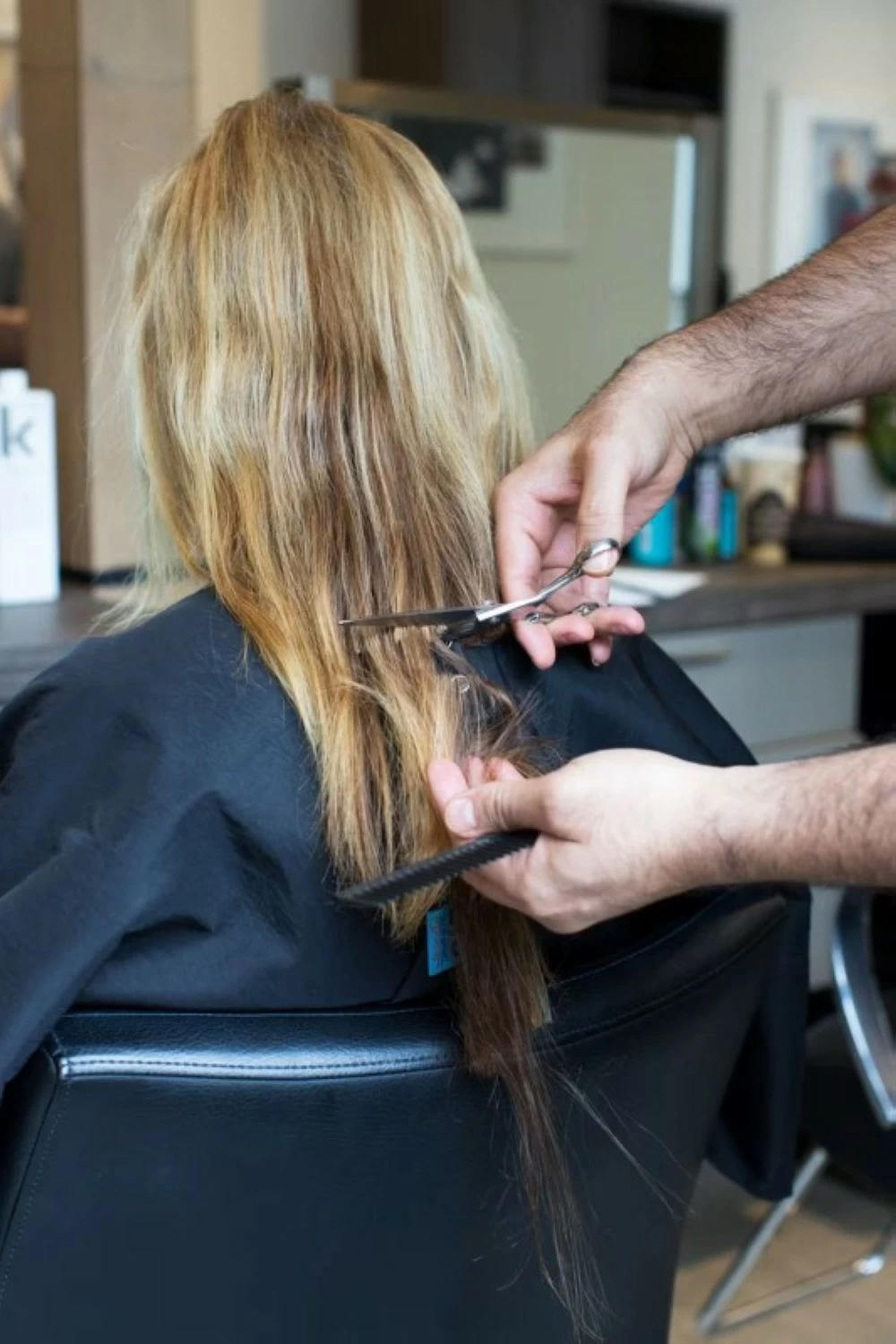
تشير دراسات نفسية واجتماعية حديثة إلى أن الارتباط بالشعر الطويل يتجاوز كونه خياراً جمالياً، ليعكس علاقة عاطفية عميقة بالهوية والذاكرة الشخصية. توضح هذه الدراسات أن الشعر يُعد جزءاً من صورة الذات، ويرتبط بمراحل عمرية وتجارب عائلية وثقافية، ما يجعل قرار قصه خطوة ذات أثر نفسي واضح لدى كثير من النساء.
الباحثون يرون أن التغيير الجذري في شكل الشعر قد يثير شعوراً بفقدان جزء من الهوية أو عدم التعرّف على النفس في المرحلة الأولى، خصوصاً لدى من ربطوا الشعر الطويل بالأنوثة أو الانتماء الثقافي. في المقابل، تؤكد الدراسات أن التعامل الواعي مع هذا التغيير، سواء بالاكتفاء بقصات تدريجية أو اختيار توقيت نفسي مناسب، يساعد على تقبّل المظهر الجديد دون صدام داخلي.
وتخلص النتائج إلى أن العلاقة مع الشعر ليست سطحية، بل هي امتداد للتعبير عن الذات، وأن أي تغيير فيه ينجح عندما يكون نابعاً من رغبة شخصية حقيقية لا من ضغط الترند أو التوقعات الاجتماعية.
Recent psychological and social studies indicate that the attachment to long hair goes beyond being a mere aesthetic choice; it reflects a deep emotional connection to identity and personal memory. These studies clarify that hair is considered a part of self-image and is linked to age stages and familial and cultural experiences, making the decision to cut it a step with a clear psychological impact for many women.
Researchers believe that a radical change in hair appearance may evoke a feeling of losing part of one’s identity or not recognizing oneself initially, especially among those who associate long hair with femininity or cultural belonging. Conversely, studies confirm that a conscious approach to this change, whether by opting for gradual haircuts or choosing an appropriate psychological timing, helps in accepting the new appearance without internal conflict.
The findings conclude that the relationship with hair is not superficial; rather, it is an extension of self-expression, and any change in it succeeds when it stems from a genuine personal desire rather than from trend pressure or social expectations.