




 اختر منطقتك
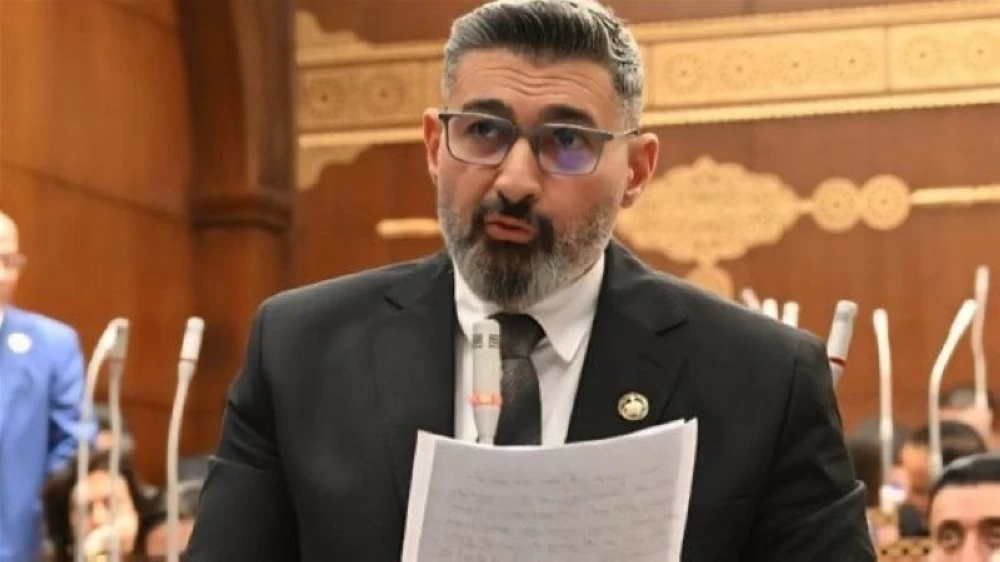
طالب وكيل لجنة الثقافة والإعلام بمجلس الشيوخ النائب ياسر جلال بضرورة الاهتمام بملف العلاج على نفقة الدولة، كونه يمثل أملاً حقيقياً لآلاف المرضى، وليس مجرد إجراء ورقي.
التزام دستوري
وخلال كلمته في الجلسة العامة للمجلس، أكد جلال بأن العلاج على نفقة الدولة يعد التزاماً دستورياً تتحمله الدولة تجاه المواطنين، مستنداً إلى المادة 18 من الدستور التي تكفل حق كل مواطن في الحصول على رعاية صحية متكاملة وفقاً لمعايير الجودة.
وأشار إلى أن قوائم الانتظار في بعض المستشفيات تمتد لأشهر عدة، إذ تصل في بعض الحالات إلى 5 أو 6 أشهر، وهو ما يعكس حجم الضغط على المنظومة الصحية، مؤكداً أن إصدار قرارات العلاج أصبح أسهل حالياً مقارنة بالماضي.
تعزيز التنسيق
ودعا إلى ضرورة تعزيز التنسيق بين مستشفيات وزارة الصحة في مصر والمستشفيات الجامعية، معتبراً أن ضعف التعاون بينهما أحد أسباب الأزمة، مؤكداً أهمية وضع سياسة واضحة لدعم الأدوية البديلة أو المكافئة وفق معايير الجودة، بما يسهم في تخفيف الأعباء عن المرضى وتحسين مستوى الخدمات الصحية.
The Deputy Chairman of the Culture and Media Committee in the Senate, Yasser Jalal, called for the necessity of focusing on the issue of treatment at the state’s expense, as it represents a real hope for thousands of patients, and is not just a bureaucratic procedure.
Constitutional Commitment
During his speech in the council’s general session, Jalal confirmed that treatment at the state’s expense is a constitutional obligation that the state bears towards its citizens, citing Article 18 of the constitution, which guarantees every citizen the right to receive comprehensive healthcare according to quality standards.
He pointed out that waiting lists in some hospitals extend for several months, reaching in some cases up to 5 or 6 months, which reflects the pressure on the healthcare system, emphasizing that issuing treatment decisions has become easier now compared to the past.
Enhancing Coordination
He called for the necessity of enhancing coordination between the Ministry of Health hospitals in Egypt and university hospitals, considering that the lack of cooperation between them is one of the reasons for the crisis, stressing the importance of establishing a clear policy to support alternative or equivalent medications according to quality standards, which contributes to alleviating the burdens on patients and improving the level of healthcare services.