



 اختر منطقتك
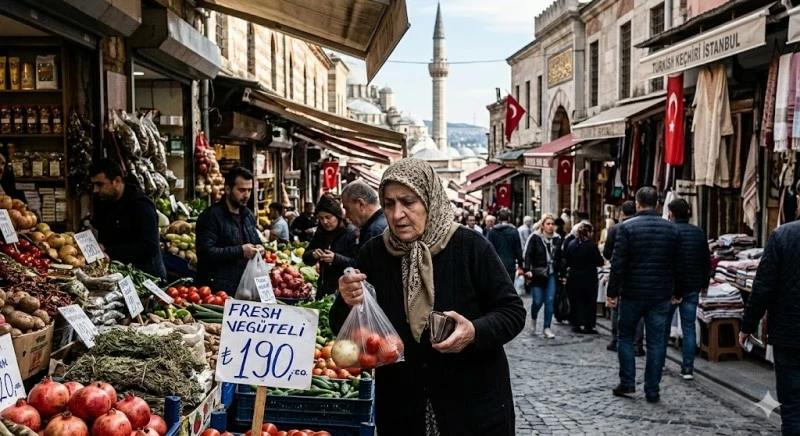
قفز معدل التضخم السنوي في تركيا خلال فبراير الماضي، مما يعقد جهود البنك المركزي لخفض معدل التضخم، التي تواجه بالفعل صعوبات بسبب ارتفاع تكاليف الطاقة بسبب الحرب الإيرانية.
وسجل معدل التضخم السنوي ارتفاعاً إلى 31.53% خلال فبراير الماضي مقارنة بنحو 30.65% في شهر يناير الماضي.
وبلغ معدل التضخم الشهري 2.96% خلال الشهر الماضي، مقارنة بنحو 4.84% في يناير الماضي.
وفي وقت سابق، أعلن البنك المركزي التركي أنه قرر تعليق مزادات إعادة الشراء لمدة أسبوع واحد وبدء معاملات بيع العملات الأجنبية الآجلة المقومة بالليرة التركية وسط تأثير الصراع الدائر بالمنطقة على الأسواق.
منع تقلبات الصرف
وقال البنك في بيان:«إن الإجراءات اتخذت في أعقاب المستجدات ولضمان حسن سير سوق الصرف الأجنبي مع منع التقلبات المحتملة في أسعار الصرف واستقرار سيولة الصرف الأجنبي».
من ناحية أخرى، أشارت لجنة الاستقرار المالي في تركيا إلى أنها عقدت اجتماعاً لتقييم تأثير الصراع في المنطقة على الأسواق المالية وأسعار الطاقة وتوقعات الاقتصاد الكلي.
وأضافت اللجنة التي يرأسها وزير المالية محمد شيمشك في بيان أن تركيا ستستخدم جميع التدابير اللازمة لضمان استمرار عمل الأسواق والحد من التأثير السلبي للصراع.
The annual inflation rate in Turkey jumped in February, complicating the central bank’s efforts to reduce inflation, which is already facing difficulties due to rising energy costs from the Iranian war.
The annual inflation rate recorded an increase to 31.53% in February compared to about 30.65% in January.
The monthly inflation rate reached 2.96% last month, compared to approximately 4.84% in January.
Earlier, the Central Bank of Turkey announced that it decided to suspend repurchase auctions for one week and to start transactions for forward foreign currency sales denominated in Turkish lira amid the ongoing regional conflict’s impact on the markets.
Preventing Exchange Rate Fluctuations
The bank stated in a statement: “The measures were taken in light of recent developments to ensure the proper functioning of the foreign exchange market while preventing potential fluctuations in exchange rates and stabilizing foreign exchange liquidity.”
On the other hand, Turkey’s Financial Stability Committee indicated that it held a meeting to assess the impact of the regional conflict on financial markets, energy prices, and macroeconomic forecasts.
The committee, chaired by Finance Minister Mehmet Şimşek, added in a statement that Turkey will use all necessary measures to ensure the continued operation of the markets and to mitigate the negative impact of the conflict.