




 اختر منطقتك
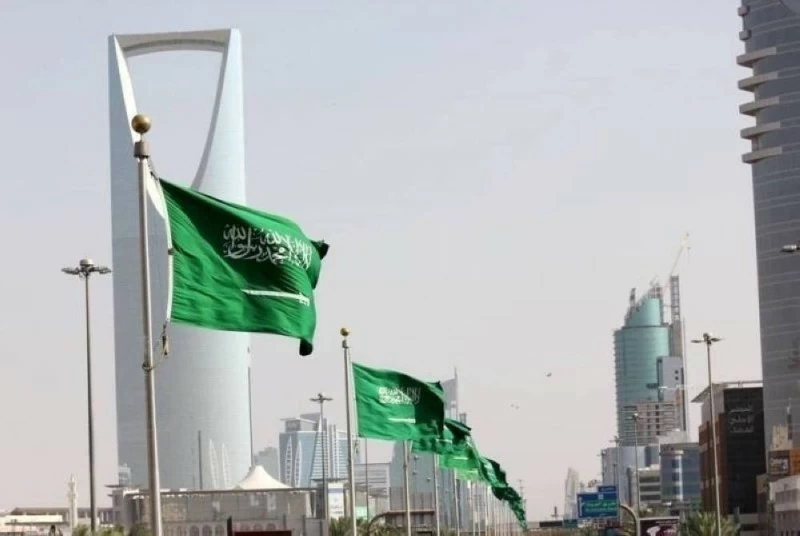
كشفت وكالة إس آند بي غلوبال للتصنيف الائتماني أن صافي أصول الحكومة السعودية يُوفّر لها مرونة ائتمانية كبيرة.
وأوضحت الوكالة، في تقرير لها، أن السعودية تقود برنامجاً مكلفاً للتحول الاقتصادي، بدأ يُقلّل اعتمادها على النفط والغاز، ونتيجةً لذلك، ارتفعت النفقات المرتبطة بهذا البرنامج.
وأشارت إلى أن السعودية تُصدر نحو 6.5 مليون برميل يومياً من النفط، يمرّ نحو 80% منها عبر مضيق هرمز، لافتةً إلى أن نظام خط أنابيب الشرق-الغرب يمتلك طاقة إضافية تبلغ 3.3 مليون برميل يومياً، ليصل إجمالي طاقته إلى 5 ملايين برميل يومياً، وقد يُسهم هذا المرفق بشكلٍ كبير في الحفاظ على عائدات التصدير.
وتوقعت الوكالة، أن يظل تأثير التصعيد المحتمل بين إيران والولايات المتحدة محدوداً على التصنيف الائتماني للدول الخليجية، كما كان الحال في يونيو 2025 عندما اقتصر النشاط العسكري على أهداف محددة وكان نطاقه ومدته قصيرين.
ولفتت إلى أن توقعاتها بشأن التصنيفات السيادية لدول مجلس التعاون الخليجي مستقرة.
أعلى مستوى في 6 سنوات
وكانت قيمة الأصول الاحتياطية للسعودية في الخارج قد ارتفعت خلال شهر يناير 2026، بنحو 58.7 مليار ريال وبنسبة 3%، لتصل إلى 1.784.5 مليار ريال مقارنة بشهر ديسمبر 2025، مسجلة أعلى مستوى لها في 6 سنوات
وعلى أساس سنوي، ارتفع صافي الأصول الأجنبية لساما بنسبة 10%، بما يعادل 155.8 مليار ريال، وذلك وفقاً لبيانات البنك المركزي السعودي.
وارتفعت قيمة الاحتياطات بالعملات الأجنبية التي تمثل نحو 95% من إجمالي الأصول بنحو 10% خلال يناير 2026 مقارنة بنظيره من عام 2025 لتصل إلى 1689.3 مليار ريال.
وارتفعت قيمة الاحتياطي لدى صندوق النقد الدولي بنسبة 9% لتصل إلى 13.1 مليار ريال.
زيادة حقوق السحب الخاصة
وزادت حقوق السحب الخاصة خلال الفترة بنسبة 5% لتبلغ 80.5 مليار ريال.
في حين، استقر رصيد الاحتياطي لدى السعودية من الذهب عند 1.62 مليار ريال، وهو المستوى نفسه الذي يحافظ عليه منذ يناير 2008.
يذكر أن الأصول الاحتياطية للسعودية تشمل 4 بنود: الاحتياطات بالعملات الأجنبية (استثمارات في أوراق مالية في الخارج ونقد أجنبي وودائع في الخارج)، والاحتياطي لدى صندوق النقد الدولي، وحقوق السحب الخاصة، والذهب النقدي.
S&P Global Ratings revealed that the net assets of the Saudi government provide it with significant credit flexibility.
The agency explained in a report that Saudi Arabia is leading an expensive economic transformation program, which has begun to reduce its dependence on oil and gas. As a result, expenditures related to this program have increased.
It noted that Saudi Arabia exports about 6.5 million barrels of oil daily, with approximately 80% of it passing through the Strait of Hormuz, pointing out that the East-West pipeline system has additional capacity of 3.3 million barrels per day, bringing its total capacity to 5 million barrels per day. This facility could significantly contribute to maintaining export revenues.
The agency expected that the potential impact of escalation between Iran and the United States would remain limited on the credit rating of Gulf countries, as was the case in June 2025 when military activity was confined to specific targets and was short in scope and duration.
It highlighted that its expectations regarding the sovereign ratings of Gulf Cooperation Council countries are stable.
Highest Level in 6 Years
The value of Saudi Arabia’s foreign reserve assets rose in January 2026 by approximately 58.7 billion riyals, or 3%, reaching 1,784.5 billion riyals compared to December 2025, marking the highest level in 6 years.
On a yearly basis, the net foreign assets of the Saudi Central Bank (SAMA) increased by 10%, equivalent to 155.8 billion riyals, according to data from the Saudi central bank.
The value of foreign currency reserves, which represent about 95% of total assets, increased by about 10% in January 2026 compared to the same month in 2025, reaching 1,689.3 billion riyals.
The value of reserves at the International Monetary Fund rose by 9% to reach 13.1 billion riyals.
Increase in Special Drawing Rights
Special drawing rights increased during the period by 5% to reach 80.5 billion riyals.
Meanwhile, the reserve balance of Saudi Arabia in gold remained stable at 1.62 billion riyals, the same level it has maintained since January 2008.
It is worth noting that Saudi Arabia’s reserve assets include four items: foreign currency reserves (investments in foreign securities, foreign cash, and deposits abroad), reserves at the International Monetary Fund, special drawing rights, and cash gold.