

 اختر منطقتك
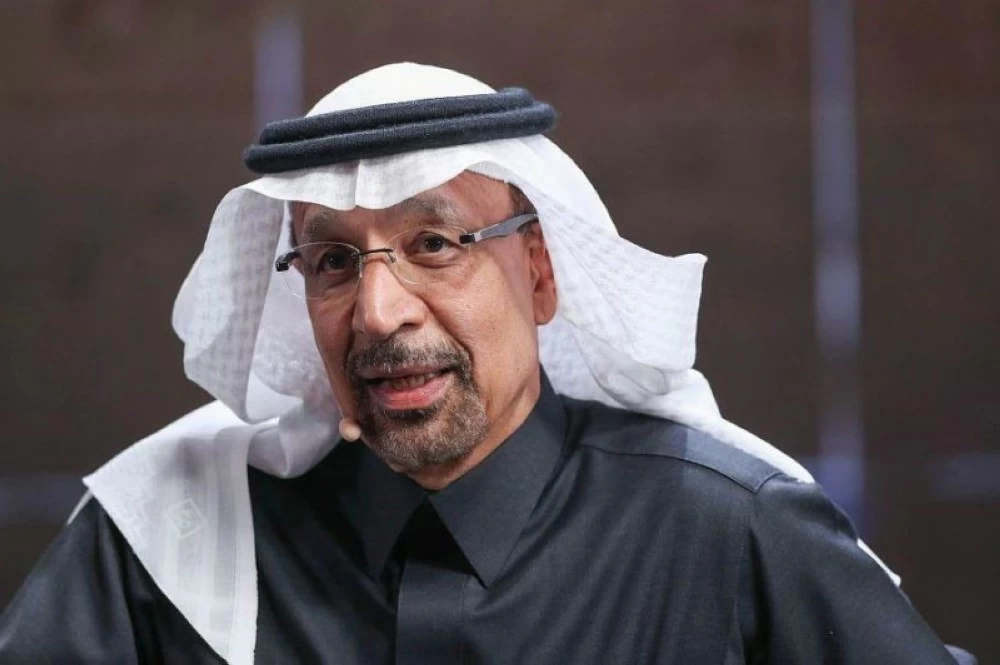
قال وزير الاستثمار السعودي خالد الفالح إن استضافة المملكة لكأس العالم 2034 وإكسبو 2030 أسهمت في إعادة ترتيب الأولويات الاستثمارية، ما استدعى تأجيل وإبطاء بعض المشاريع مثل «نيوم» و«ذا لاين» إلى حين استكمال مراجعات الجدوى، وأوضح خلال جلسة وزارية بمنتدى صندوق الاستثمارات العامة والقطاع الخاص بعنوان «عندما تعمل الحكومة من أجل دعم الأعمال»، أن مساهمة الاستثمارات بلغت نحو 30% من الاقتصاد، محققة أكثر من نصف مستهدف 2030.
وأشار إلى أن إعادة هيكلة صندوق الاستثمارات العامة شملت قرارات جريئة وغير تقليدية، وأسهمت في تحقيق نمو غير مسبوق، حيث ارتفعت أصوله من 600 مليار ريال إلى نحو 4 تريليونات ريال، ووجّه جزء كبير منها لتحفيز القطاعات المحلية عبر مشاريع استراتيجية كبرى مثل «نيوم» و«ذا لاين».
وأوضح الفالح أن إطلاق الإستراتيجية الوطنية للاستثمار في أكتوبر 2020 استهدف رفع مساهمة الاستثمار في الاقتصاد إلى 30% بقيمة تقدر بـ 12 تريليون ريال قبل 2030، وقد تحقق أكثر من نصف هذا الهدف خلال ثلاث سنوات ونصف، مع وصول حجم الاستثمارات إلى نحو 6.2 تريليونات ريال، واستمرار نموها السنوي، وتجاوز نسبة الاستثمار في الاقتصاد غير النفطي 40%، وهو مستوى تاريخي يضع المملكة ضمن الاقتصادات المتقدمة في تدفقات الاستثمار.
التحفيز والربط
وبيّن أن دور صندوق الاستثمارات العامة يتركز على التحفيز والربط وتهيئة سلاسل القيمة للقطاع الخاص، حيث جاءت نحو 95% من الاستثمارات عبر القطاع الخاص، مقابل نحو 10% من الصندوق، بالتزامن مع تراجع الاستثمار الحكومي المباشر بما يعزز عدم مزاحمة القطاع الخاص.
وأضاف أن جاذبية البيئة الاستثمارية انعكست في تضاعف عدد الشركات المسجلة للاستثمار عشر مرات، وارتفاع عدد الشركات التي اتخذت من المملكة مقراً إقليمياً أو عالمياً من خمس شركات إلى نحو 700 شركة، متوقعاً أن تُظهر بيانات 2025 تضاعف التدفقات الاستثمارية خمس مرات مقارنة بعام 2019.
وتابع أن استضافة كأس العالم وإكسبو 2030، إلى جانب مشاريع البنية التحتية الكبرى مثل مطار الملك سلمان وتوسعة مطار الملك خالد، فرضت أولويات استثمارية جديدة لم تكن مخططة سابقاً. كما أكد أهمية توجه الصندوق نحو الاستثمار في الذكاء الاصطناعي، نظراً لحجم الاستثمارات العالمية المتوقعة في هذا القطاع، وما يتيحه من فرص داعمة لمختلف القطاعات.
وختم الفالح بالتأكيد على أن صندوق الاستثمارات العامة يعمل وفق أفضل معايير الحوكمة العالمية، مع مرونة عالية في التكيف مع المتغيرات الاقتصادية والتقنية، مشيراً إلى أن الخطط الاستثمارية تخضع للتحديث المستمر بناءً على دراسات الجدوى وحدود رأس المال المتاح.
Saudi Investment Minister Khalid Al-Falih stated that hosting the Kingdom of Saudi Arabia for the 2034 World Cup and Expo 2030 has changed the investment priorities for other projects.
He added during a ministerial session at the Public Investment Fund and Private Sector Forum titled “When the Government Works to Support Business” that the Kingdom has achieved half of its target for investments contributing 30% to the economy by 2030.
He confirmed that the restructuring of the Public Investment Fund included bold and unconventional decisions, noting that some projects have been postponed until the feasibility review is completed.
He stated that the PIF’s focus on the artificial intelligence sector is essential at this stage; as this field will witness investments amounting to hundreds of billions globally, explaining that investments in artificial intelligence in the Kingdom will benefit multiple sectors.
Al-Falih emphasized that the Public Investment Fund operates according to the best global standards in terms of governance, the balance between the board of directors and executive management, and the fund’s effectiveness and flexibility in dealing with global, regional, local, and technological changes, as well as changes in feasibility and more.
He indicated that plans change according to the developments that arise based on the feasibility of projects after detailed studies, as each investment entity has limits on the available capital.
He mentioned that the fund has achieved unprecedented growth and started investments of 600 billion riyals, reaching nearly 4 trillion riyals, with a significant portion of these investments directed towards stimulating sectors in the Kingdom, including bold and unprecedented projects like “NEOM” and “The Line.”
He continued: During this period, priorities emerged that were not planned for, such as the World Cup, and the Kingdom must build a number of facilities alongside the stadiums, which are linked to logistical services, and before that, Expo 2030 as well, and the completion of King Salman Airport project, and the expansion of King Khalid Airport.