


 اختر منطقتك

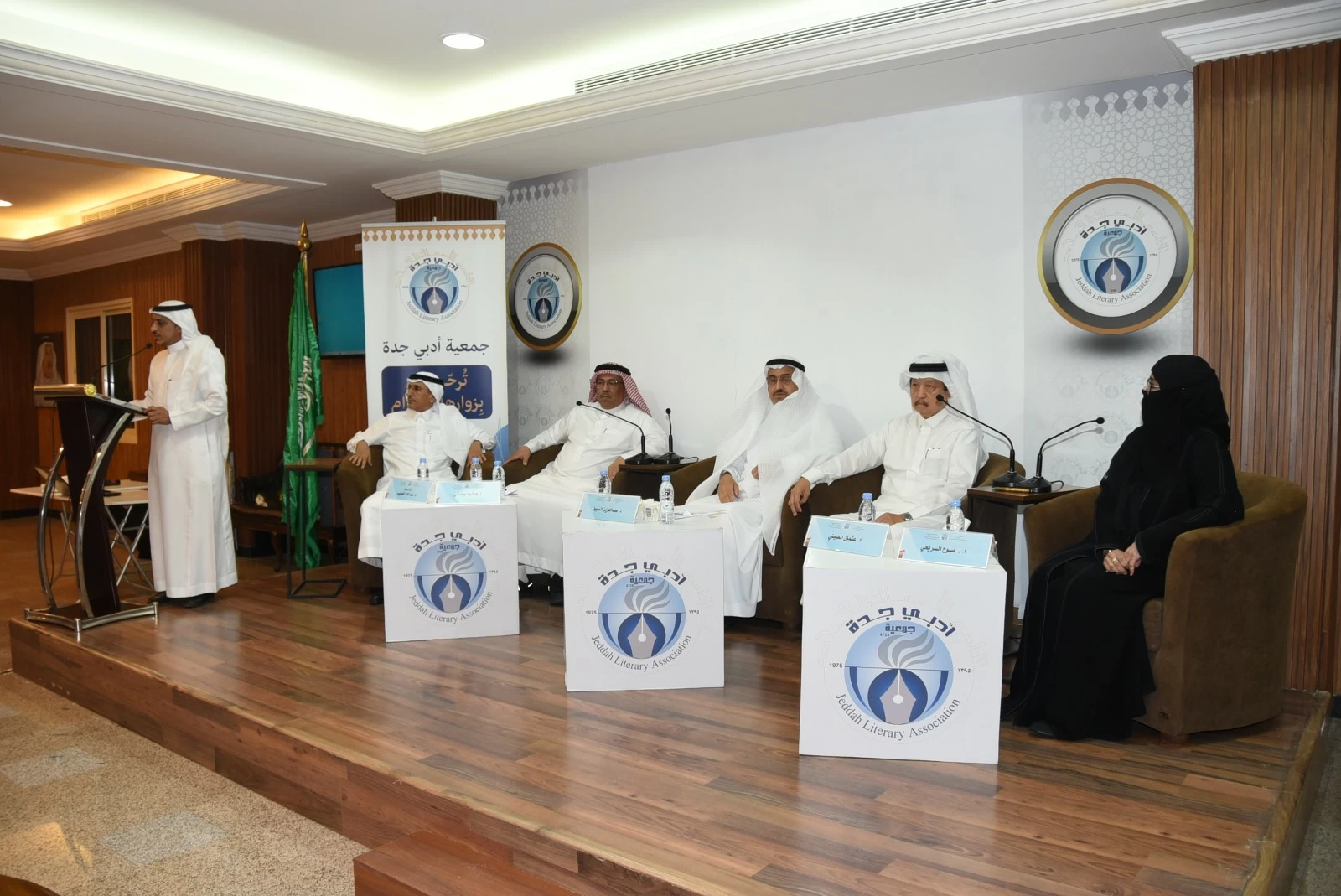
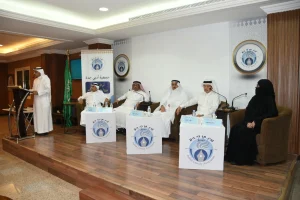
دشّنت جمعية أدبي جدة جناح مكتبة الراحل الدكتور سعيد السريحي، رحمه الله، إيذاناً بانطلاق فعاليتها الثقافية «سعيد السريحي… رحلة الكلمة وأسئلة الثقافة»، بحضور رئيس مجلس إدارة الجمعية البروفيسور عبدالله بن عويقل السلمي، ونخبة من الأدباء والباحثين والإعلاميين، إلى جانب معرض فني شارك فيه عدد من الخطاطين والفنانين التشكيليين.
استعادت الندوة، التي أدارها الدكتور عبدالله الخطيب، جوانب من التجربة النقدية والفكرية والإعلامية للدكتور سعيد السريحي، وما تركه من أثر في مسيرة الثقافة السعودية، من خلال مداخلات قدمها الأستاذ الدكتور عبدالعزيز السبيل، والدكتور عثمان الصيني، والأستاذة الدكتورة صلوح السريحي، والكاتب الصحفي هاشم الجحدلي، تناولت منجزه النقدي ومشروعه التنويري وعلاقته باللغة والقراءة والحوار، إلى جانب ملامح من شخصيته الإنسانية.
استهل الأستاذ الدكتور عبدالعزيز السبيل المداخلات بتقديم الشكر لجمعية أدبي جدة على هذه المبادرة، مستعرضاً ثلاثة مواقف جمعته بالدكتور سعيد السريحي، كشفت عن جوانب من شخصيته ومنهجه الفكري، ولا سيما إيمانه بأهمية مراجعة الأفكار وتصحيحها والإضافة إليها، وعدم التعامل مع الآراء باعتبارها حقائق نهائية لا تقبل المراجعة.
توقف السبيل عند رؤية السريحي للقراءة بوصفها فعل اكتشاف، وعلاقته بتحولات الشعر، ومنها الشعر الحر، مؤكداً أنه ترك للأجيال القادمة تجربة ثقافية ونقدية تستحق القراءة والمناقشة. كما استعرض جهوده في خدمة الثقافة من خلال النادي الأدبي الثقافي بجدة، وإسهاماته في تعزيز حضور النقد الأدبي عبر مجلة «علامات»، واهتمامه بمجلة «نوافذ»، مشيراً إلى قدرته على الجمع بين الباحث المتخصص الذي يكتب للمثقفين بعمق وإبداع، والكاتب الذي يخاطب عامة القراء بلغة مقنعة وقريبة منهم.

تناول الدكتور عثمان الصيني علاقة السريحي بالكتاب والمكتبات، وشغفه بالقراءة وتنوع اهتماماته المعرفية، ولا سيما قراءاته في الفلسفة والتصوف واهتمامه بتراث ابن سبعين، مشدداً على أهمية المكتبات في دعم الدراسات وتطوير القارئ والباحث.
وفي تناوله للدور التنويري للسريحي، وصف الصيني تجربته بأنها نموذج للتنوير العملي الفاعل، الذي لا يقف عند حدود التنظير، بل يتجلى في الممارسة وإثارة الأسئلة وفتح مساحات الحوار. واستعاد بدايات السريحي في العمل الصحفي وحماسه في صحيفة «أصداء الكلمة»، مشيراً إلى دوره في إثارة الحوارات الثقافية وقيادة تيار يدعو إلى مساءلة الأفكار ومراجعتها، في مقابل تيار محافظ كان يمثله الدكتور عاصم حمدان.

أكد الصيني أن الدور التنويري للنادي الأدبي لم يكن محصوراً في المحاضرات والندوات، بل امتد إلى النقاشات والحوارات التي كانت تدور بعدها، وتشكل فضاءً حقيقياً للتفاعل الفكري وتبادل الرؤى، وهو ما أسهم في تنشيط المشهد الثقافي وإثراء أسئلته.
في مداخلة اتسمت بقراءة نقدية وفكرية، تناولت الأستاذة الدكتورة صلوح السريحي البعد اللغوي والمعرفي في مشروع شقيقها الراحل، متوقفة عند تأمله الكلمة وفضاءاتها، وانتقاله في التعامل معها من كونها أداة للتعبير إلى وسيلة للكشف عن الأنساق المضمرة وما تختزنه من دلالات، ومدخلاً لفهم علاقة الإنسان بالعالم وقراءته.
استحضرت في هذا السياق تجربته في قراءة أبي تمام، وما تكشف عنه من علاقة وثيقة بين اللغة والوعي، كما أشارت إلى تنقله بين العمل الجامعي والصحفي، وحضوره في النادي الأدبي وجمعية الثقافة والفنون، وما أتاحته هذه التجارب المتنوعة من روافد أسهمت في تشكيل شخصيته وإثراء تجربته الثقافية والأدبية.
أما الكاتب الصحفي هاشم الجحدلي، فاستعاد بدايات علاقته بالسريحي، حين تلقى منه اتصالاً يدعوه إلى الكتابة في صحيفة «عكاظ» ضمن زاوية «أصداء الكلمة»، مستحضراً عدداً من التجارب والنصوص واللقاءات التي جمعتهما، وما تركته تلك العلاقة من أثر في مسيرته الصحفية والثقافية.

أشار الجحدلي إلى أن تواضع السريحي كان من أبرز ما لفت انتباهه، متوقفاً عند ثلاث خصال متجذرة في شخصيته: التواضع الحقيقي، والامتنان الصادق، والتقدير للآخر. كما وصفه بالعبقرية المبكرة، مستذكراً جديته وصرامته في طلب المعرفة منذ المرحلة الابتدائية وحتى الجامعة، وإصراره الدائم على السؤال، إلى جانب ما اتسمت به شخصيته من قناعة وزهد وعشق للجمال والمغامرة.
تناول الجحدلي جوانب من شخصية السريحي التي جمعت بين المسالمة والشقاوة والفضول، مؤكداً أنه أحسن استثمار هذه الروح في اكتشاف الحياة والنصوص، كما أشار إلى قدرته على تفكيك النصوص وطرح الأسئلة التي تكشف طبقاتها العميقة، مستشهداً بمشاركته في ندوة نقدية عن الشاعر أمل دنقل، حين استعد لها بالبحث عن ديوان الشاعر، ليكون حضوره قائماً على المعرفة والسؤال والحوار.
شهدت الأمسية عدداً من المداخلات والمشاركات من الحضور، استكملت الحديث عن تجربة الدكتور سعيد السريحي وشخصيته ومواقفه ومآثره، واستحضرت ذكريات وشهادات إنسانية وثقافية ممن عرفوه وعاصروه، في تفاعل عكس مكانته في الذاكرة الثقافية وامتداد أثره في أوساط المثقفين والباحثين والإعلاميين.
صاحب الندوة معرض فني شارك فيه عدد من الخطاطين والفنانين التشكيليين، قدموا من خلال أعمالهم لوحات وتعبيرات فنية احتفت بالكلمة والجمال، وأضفت على الأمسية بعداً بصرياً وإبداعياً، في تلاقٍ بين الأدب والفن والخط العربي.

في ختام الأمسية، جرى تكريم المشاركين والضيوف، حيث تولى تقديم التكريم رئيس مجلس إدارة جمعية أدبي جدة البروفيسور عبدالله بن عويقل السلمي، والبروفيسور عبدالمحسن القحطاني، رئيس النادي الأدبي السابق، والأستاذ محمد آل صبيح، مدير جمعية الثقافة والفنون بجدة.
شمل التكريم تقديم درع جمعية أدبي جدة ولوحة تذكارية من إصدارات منتدى الفنون البصرية لكل من الأستاذ الدكتور عبدالعزيز السبيل، والدكتور عثمان الصيني، والأستاذة الدكتورة صلوح السريحي، والكاتب هاشم الجحدلي، والدكتور عبدالله الخطيب، مدير الندوة؛ تقديراً لمشاركتهم وإسهاماتهم في إثراء الأمسية.
شهدت الأمسية تكريماً خاصاً لأم إقبال، زوجة الدكتور سعيد السريحي ورفيقة دربه، بإهدائها لوحة تذكارية، تقديراً لمكانتها وما تمثله من حضور في مسيرة الراحل وحياته.
في لفتة إنسانية مؤثرة، أُهديت الأستاذة الدكتورة صلوح السريحي صورة تجمعها بشقيقها الراحل الدكتور سعيد السريحي، قدمها الدكتور محمد السريحي والفنان خالد خضر، في مبادرة حملت معاني المحبة والوفاء، واستحضرت الذاكرة العائلية والإنسانية للراحل، وسط تفاعل الحضور.

وجهت الجمعية الشكر والتقدير للخطاطين والفنانين التشكيليين المشاركين، ولفريق «مشينا» التطوعي، وفريق طلاب كلية السياحة بجامعة الملك عبدالعزيز، الذين أسهموا في تنظيم الفعالية واستقبال الضيوف وتهيئة الأجواء المناسبة، إلى جانب جميع من شارك في الإعداد والتنظيم.
أكدت الأمسية أن تجربة الدكتور سعيد السريحي تتجاوز حدود المنجز النقدي والصحفي إلى مشروع ثقافي وفكري أسهم في صناعة الأسئلة، وتعزيز الحوار، ومراجعة المسلمات، وفتح آفاق جديدة لقراءة النصوص واللغة والواقع، فضلاً عن حضوره الإنساني الذي ظل حاضراً في ذاكرة أصدقائه وزملائه ومحبيه.
اختُتمت الأمسية بتجديد الشكر لجمعية أدبي جدة على تنظيم هذا اللقاء واستضافة ضيوفه، والإشادة بدور المكتبات في دعم الدراسات وتعزيز المعرفة وتطوير القارئ والباحث، في تأكيد أن الوفاء للمبدعين لا يكون باستعادة أسمائهم وحدها، بل بإبقاء منجزهم متاحاً للأجيال، ومواصلة قراءة أسئلتهم ومناقشة أفكارهم؛ فالإنسان قد يغيب، لكن أثره يظل قادراً على استكمال رحلته في عقول القراء ووجدان الثقافة.
The Jeddah Literary Society launched the late Dr. Said Al-Surayhi’s library wing, may he rest in peace, marking the beginning of its cultural activities titled “Said Al-Surayhi… The Journey of Words and Questions of Culture,” in the presence of the Chairman of the Society, Professor Abdullah bin Owaikel Al-Sulami, along with a select group of writers, researchers, and media professionals, alongside an art exhibition featuring several calligraphers and visual artists.
The seminar, moderated by Dr. Abdullah Al-Khatib, recalled aspects of Dr. Said Al-Surayhi’s critical, intellectual, and media experience, as well as the impact he left on the journey of Saudi culture, through interventions presented by Professor Dr. Abdulaziz Al-Sabeel, Dr. Othman Al-Sini, Professor Dr. Salouh Al-Surayhi, and journalist Hashem Al-Jahdali, which discussed his critical achievements, his enlightening project, and his relationship with language, reading, and dialogue, alongside features of his human personality.
Professor Dr. Abdulaziz Al-Sabeel began the interventions by thanking the Jeddah Literary Society for this initiative, reviewing three instances he shared with Dr. Said Al-Surayhi that revealed aspects of his personality and intellectual approach, particularly his belief in the importance of reviewing, correcting, and adding to ideas, and not treating opinions as final truths that are beyond revision.

Al-Sabeel paused at Al-Surayhi’s view of reading as an act of discovery, and his relationship with the transformations of poetry, including free verse, emphasizing that he left future generations a cultural and critical experience worthy of reading and discussion. He also reviewed his efforts in serving culture through the Jeddah Literary Cultural Club, his contributions to enhancing the presence of literary criticism through the magazine “Alamath,” and his interest in the magazine “Nawafidh,” pointing out his ability to combine the specialized researcher who writes for intellectuals with depth and creativity, and the writer who addresses general readers in a convincing and relatable language.
Dr. Othman Al-Sini discussed Al-Surayhi’s relationship with books and libraries, his passion for reading, and the diversity of his intellectual interests, particularly his readings in philosophy and mysticism and his interest in the heritage of Ibn Sab’in, stressing the importance of libraries in supporting studies and developing readers and researchers.
In addressing Al-Surayhi’s enlightening role, Al-Sini described his experience as a model of effective practical enlightenment that does not stop at the limits of theorizing but is manifested in practice, raising questions, and opening spaces for dialogue. He recalled Al-Surayhi’s beginnings in journalism and his enthusiasm at the newspaper “Echoes of Words,” noting his role in stimulating cultural dialogues and leading a current that calls for questioning and reviewing ideas, in contrast to a conservative current represented by Dr. Asim Hamdan.
Al-Sini confirmed that the enlightening role of the literary club was not limited to lectures and seminars but extended to discussions and dialogues that took place afterward, forming a real space for intellectual interaction and exchanging views, which contributed to revitalizing the cultural scene and enriching its questions.
In a critical and intellectual intervention, Professor Dr. Salouh Al-Surayhi addressed the linguistic and cognitive dimension in her late brother’s project, reflecting on his contemplation of the word and its spaces, and his transition in dealing with it from being a tool for expression to a means of revealing hidden systems and the meanings they contain, as well as an entry point for understanding the relationship between humans and the world and their reading of it.
In this context, she recalled his experience in reading Abu Tammam, which revealed a close relationship between language and consciousness, and she referred to his movement between academic and journalistic work, his presence in the literary club and the Culture and Arts Association, and how these diverse experiences contributed to shaping his personality and enriching his cultural and literary experience.
As for journalist Hashem Al-Jahdali, he recalled the beginnings of his relationship with Al-Surayhi when he received a call inviting him to write for the newspaper “Okaz” in the “Echoes of Words” column, recalling several experiences, texts, and meetings they shared, and the impact that relationship had on his journalistic and cultural journey.
Al-Jahdali pointed out that Al-Surayhi’s humility was one of the most striking aspects of his character, highlighting three rooted traits: genuine humility, sincere gratitude, and appreciation for others. He also described him as an early genius, recalling his seriousness and rigor in seeking knowledge from elementary school through university, and his constant insistence on questioning, alongside his character’s traits of conviction, asceticism, and love for beauty and adventure.
Al-Jahdali discussed aspects of Al-Surayhi’s personality that combined gentleness, mischief, and curiosity, affirming that he skillfully invested this spirit in discovering life and texts, and he noted his ability to deconstruct texts and pose questions that reveal their deep layers, citing his participation in a critical seminar about the poet Amal Dunqul, for which he prepared by researching the poet’s collection, ensuring his presence was based on knowledge, questioning, and dialogue.
The evening witnessed several interventions and contributions from the audience, continuing the discussion about Dr. Said Al-Surayhi’s experience, personality, positions, and achievements, recalling memories and human and cultural testimonies from those who knew him and lived alongside him, in an interaction that reflected his status in cultural memory and the extension of his influence among intellectuals, researchers, and media professionals.
The seminar was accompanied by an art exhibition featuring several calligraphers and visual artists, who presented through their works paintings and artistic expressions celebrating words and beauty, adding a visual and creative dimension to the evening, in a convergence between literature, art, and Arabic calligraphy.
At the end of the evening, the participants and guests were honored, with the presentation of awards led by the Chairman of the Jeddah Literary Society, Professor Abdullah bin Owaikel Al-Sulami, Professor Abdul Mohsen Al-Qahtani, the former Chairman of the Literary Club, and Mr. Mohammed Al-Sabih, Director of the Culture and Arts Association in Jeddah.
The honors included presenting a shield from the Jeddah Literary Society and a commemorative plaque from the Visual Arts Forum to Professor Dr. Abdulaziz Al-Sabeel, Dr. Othman Al-Sini, Professor Dr. Salouh Al-Surayhi, journalist Hashem Al-Jahdali, and Dr. Abdullah Al-Khatib, the seminar’s director, in appreciation of their participation and contributions to enriching the evening.
The evening also featured a special honor for Um Iqbal, the wife of Dr. Said Al-Surayhi and his companion, with a commemorative plaque presented to her in recognition of her status and what she represents in the journey and life of the late scholar.
In a touching human gesture, Professor Dr. Salouh Al-Surayhi was gifted a photo of her with her late brother Dr. Said Al-Surayhi, presented by Dr. Mohammed Al-Surayhi and artist Khalid Khidr, in an initiative that carried meanings of love and loyalty, evoking the familial and human memory of the late scholar, amidst the audience’s interaction.
The society expressed its gratitude and appreciation to the participating calligraphers and visual artists, and to the volunteer team “Mashina,” and the students of the College of Tourism at King Abdulaziz University, who contributed to organizing the event, welcoming guests, and preparing the appropriate atmosphere, alongside everyone who participated in the preparation and organization.
The evening affirmed that Dr. Said Al-Surayhi’s experience transcends the boundaries of critical and journalistic achievements to a cultural and intellectual project that contributed to the creation of questions, enhancing dialogue, reviewing dogmas, and opening new horizons for reading texts, language, and reality, in addition to his human presence that remains alive in the memory of his friends, colleagues, and admirers.
The evening concluded with renewed thanks to the Jeddah Literary Society for organizing this gathering and hosting its guests, and praising the role of libraries in supporting studies, enhancing knowledge, and developing readers and researchers, affirming that loyalty to creators is not merely about recalling their names but about keeping their achievements accessible to generations and continuing to read their questions and discuss their ideas; for a person may disappear, but their impact remains capable of continuing their journey in the minds of readers and the essence of culture.