



 اختر منطقتك
تعتزم شركة «قوقل» إطلاق قمر اصطناعي تجريبي الأسبوع القادم، لإجراء أول اختبار لها في المدار لرقائق الذكاء الاصطناعي، في خطوة تستهدف استكشاف إمكانية إنشاء بنية تحتية ضخمة للحوسبة بالذكاء الاصطناعي في الفضاء مستقبلاً.
وقالت «قوقل» إن المهمة تأتي ضمن مشروعها البحثي «Project Suncatcher»، وستنطلق على متن مهمة «Transporter-18» التابعة لشركة «سبيس إكس»، بالتعاون مع شركة الأقمار الاصطناعية «Planet».
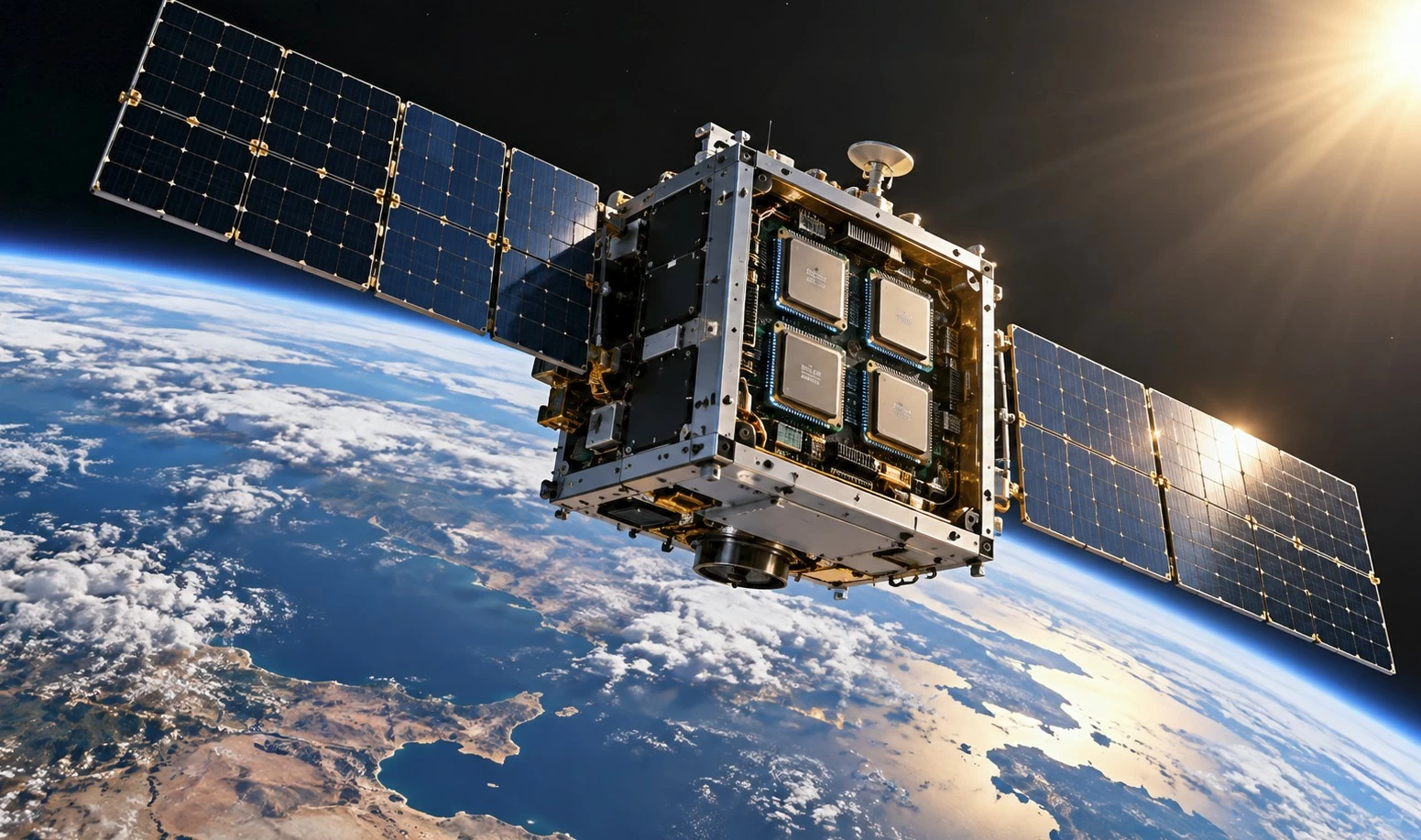
وسيحمل القمر الاصطناعي وحدات معالجة «TPU» التي طورتها «قوقل» لتشغيل أعباء عمل الذكاء الاصطناعي، بهدف اختبار قدرتها على العمل بصورة موثوقة في المدار الأرضي المنخفض.
اختبار الإشعاع والحرارة
وستختبر المهمة قدرة رقائق «قوقل» على تحمل الظروف القاسية في الفضاء، بما يشمل الإشعاعات ودرجات الحرارة الشديدة والقوى والاهتزازات المصاحبة لعملية الإطلاق.
ويمكن للإشعاع الفضائي التأثير في الأجهزة الإلكترونية والتسبب في أخطاء بالبيانات، ما دفع «قوقل» إلى إجراء اختبارات أرضية لرقائقها أثناء تشغيل أعباء عمل للذكاء الاصطناعي، إلا أن «قوقل» أكدت الحاجة إلى اختبارها في المدار لمعرفة أدائها في البيئة الفضائية الحقيقية.
كما ستختبر «قوقل» نظاماً لتبريد الرقائق كثيفة الاستهلاك للطاقة في الفراغ، إذ لا يمكن الاعتماد على تدفق الهواء المستخدم في أنظمة التبريد التقليدية على الأرض.
مراكز بيانات في الفضاء
وتدرس «قوقل» من خلال المشروع إمكانية استغلال الأقمار الاصطناعية في تشغيل بنية تحتية واسعة النطاق للذكاء الاصطناعي، مستفيدة من إمكانية الحصول في ضوء الشمس بصورة شبه مستمرة في بعض المدارات.
وتشير «قوقل» إلى أن الأقمار في المدار الأرضي المنخفض يمكن أن تحصل على طاقة شمسية تصل إلى ثمانية أضعاف ما يمكن توليده على الأرض، فيما يمكن مستقبلاً ربط مجموعات من الأقمار الاصطناعية معاً لمعالجة أحمال أكبر للذكاء الاصطناعي.
وأكدت «قوقل» أن المهمة الأولى تستهدف جمع البيانات وتحديد نقاط الفشل المحتملة، وليست تجربة لمركز بيانات فضائي تشغيلي.
وتخطط «قوقل» لإطلاق قمرين اصطناعيين آخرين في عام 2027 لاختبار اتصالات ليزرية عالية النطاق الترددي، تمهيداً لإمكانية ربط مجموعات من الأقمار المخصصة للحوسبة مستقبلاً.
Google plans to launch an experimental satellite next week to conduct its first in-orbit test of artificial intelligence chips, in a move aimed at exploring the possibility of creating a massive infrastructure for AI computing in space in the future.
Google stated that the mission is part of its research project “Project Suncatcher” and will be launched aboard SpaceX’s “Transporter-18” mission, in collaboration with the satellite company “Planet”.
The satellite will carry “TPU” processing units developed by Google to run AI workloads, with the goal of testing their ability to operate reliably in low Earth orbit.
Radiation and Heat Testing
The mission will test Google’s chips’ ability to withstand the harsh conditions of space, including radiation, extreme temperatures, and the forces and vibrations associated with the launch process.
Space radiation can affect electronic devices and cause data errors, prompting Google to conduct ground tests of its chips while running AI workloads. However, Google emphasized the need to test them in orbit to understand their performance in a real space environment.
Google will also test a cooling system for the power-hungry chips in the vacuum of space, as reliance on airflow used in traditional cooling systems on Earth is not feasible.
Data Centers in Space
Through the project, Google is exploring the potential of utilizing satellites to operate a large-scale AI infrastructure, benefiting from the ability to access sunlight almost continuously in certain orbits.
Google indicates that satellites in low Earth orbit can receive solar energy up to eight times what can be generated on Earth, while in the future, groups of satellites could be linked together to handle larger AI workloads.
Google confirmed that the first mission aims to collect data and identify potential failure points, and is not an experiment for an operational space data center.
Google plans to launch two more satellites in 2027 to test high-bandwidth laser communications, paving the way for the potential linking of groups of satellites dedicated to computing in the future.