


 اختر منطقتك
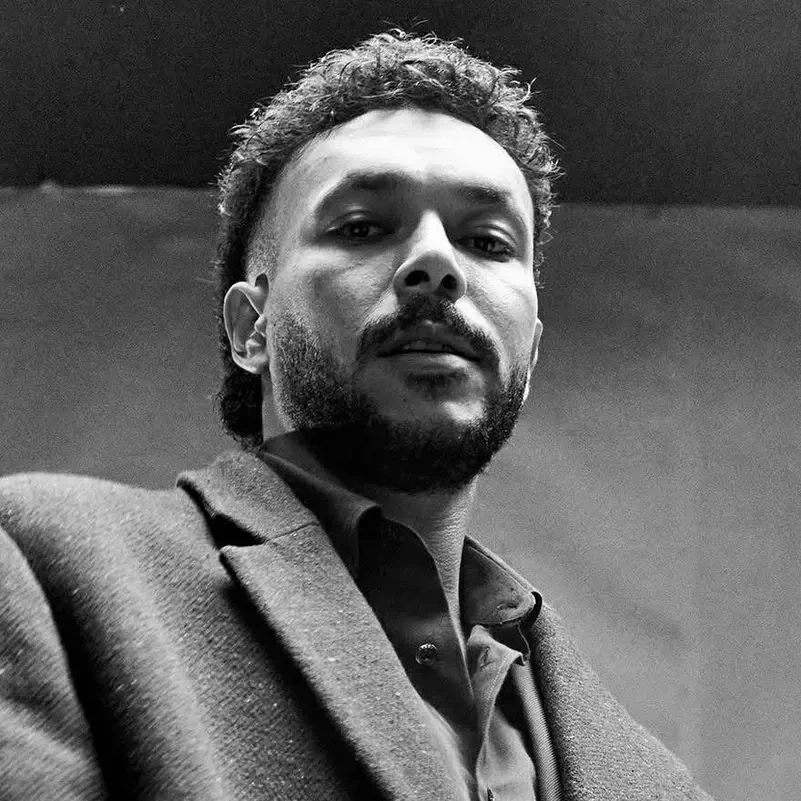
كانت عبارة قصيرة في متن أغنية راب جديدة كفيلة بإشعال مواجهة دينية وفنية صامتة، سرعان ما تحولت إلى حديث الساعة على مواقع التواصل الاجتماعي في مصر.
تفجرت الأزمة عقب إطلاق مطرب الراب المصري «ويجز» أحدث أعماله الغنائية، والتي تضمنت جملة «لكل امرئ ما نوى»، وهي جزء اقتُبس صراحة من الحديث النبوي الشريف «إنما الأعمال بالنيات». هذا الاستخدام دفع أحد الدعاة إلى شن انتقاد لاذع، مؤكداً عدم جواز إقحام النصوص والآيات القرآنية والأحاديث النبوية في طيات الأعمال الغنائية.
ولم يتأخر رد مغني الراب السكندري، إذ سارع عبر حسابه الرسمي على «إنستغرام» بتقديم توضيح اتسم بالتراجع الفوري. وموجهاً حديثه للداعية، كتب ويجز: «اعذر جهلي بأمرين يا شيخ، أولهما أن الجملة من حديث شريف، والثاني الحكم الشرعي لاستخدامها.. لو ترد عليّ بالنص لأفهم أكثر أكون شاكراً لك».
ولم يقف ويجز عند حدود التوضيح والاستفسار، بل اتخذ قراراً حاسماً بوقف واستبدال المقاطع محل الاعتراض في مقطوعته الجديدة، قائلاً: «حالاً سيتم تغيير الكلمات التي لا يجوز وضعها بالأغنية، وربنا يهدينا ويرزقنا التوبة».
وتأتي هذه الواقعة لتسلط الضوء مجدداً على المساحة الفاصلة بين حرية التعبير الفني والضوابط الشرعية لقدسية النصوص الدينية، خاصة بعد سقطة فنان يتربع على عرش ساحة الراب المصري وحققت أعماله، مثل «دورك جاي» و«البخت»، ملايين المشاهدات والانتشار الواسع بين فئات الشباب.
A short phrase in the lyrics of a new rap song was enough to ignite a silent religious and artistic confrontation, which quickly became the talk of the town on social media in Egypt.
The crisis erupted following the release of Egyptian rapper “Wegz’s” latest musical work, which included the phrase “To each his own intention,” a line explicitly borrowed from the noble hadith “Actions are judged by intentions.” This usage prompted a preacher to launch a scathing criticism, asserting that it is not permissible to incorporate religious texts, Quranic verses, and prophetic hadiths into musical works.
The Alexandrian rapper did not delay in responding, as he quickly took to his official Instagram account to provide a clarification that was marked by immediate retraction. Addressing the preacher, Wegz wrote: “Forgive my ignorance on two matters, Sheikh: the first is that the phrase is from a noble hadith, and the second is the legal ruling on its use… If you could respond to me with the text so I can understand better, I would be grateful.”
Wegz did not stop at clarification and inquiry; he made a decisive decision to halt and replace the contested parts in his new piece, stating: “The words that should not be included in the song will be changed immediately, and may God guide us and grant us repentance.”
This incident once again highlights the delicate balance between artistic freedom of expression and the religious constraints regarding the sanctity of religious texts, especially after the misstep of an artist who sits atop the Egyptian rap scene and whose works, such as “Dorek Gay” and “Al-Bakht,” have garnered millions of views and widespread popularity among youth.