



 اختر منطقتك

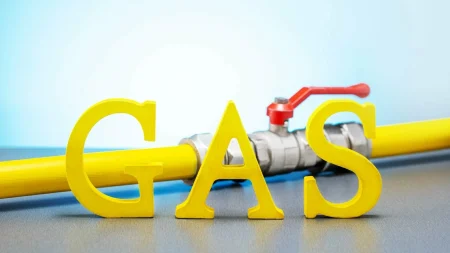
طالب نادي السيارات الألماني بإلغاء ما يسمى قاعدة الساعة 12 في محطات الوقود، التي تؤدي إلى خفض عدد مرات تغيير الأسعار اليومية.
وأوضح النادي في بيان له أن القاعدة لم تسهم في خفض أسعار الوقود، بل اتسع فارق الأسعار بشكل ملحوظ، ولم تحقق هدفها من وجهة نظر المستهلكين.
خفض الأسعار
وتطبق ما تسمى قاعدة الساعة 12 في ألمانيا منذ الأول من أبريل الماضي، إذ لا يسمح لمحطات الوقود برفع أسعار البنزين والديزل إلا مرة واحدة يوميًا، في تمام الساعة 12 ظهرًا، ويمكنها خفض الأسعار في أي وقت.
عجز الموازنة
من ناحية أخرى، سجلت الموازنة الاتحادية في ألمانيا عجزاً قدره 67.7 مليار يورو خلال الأشهر الثمانية الأولى من العام الحالي، في ظل ارتفاع النفقات وتراجع الإيرادات.
وأوضحت وزارة المالية الألمانية، في تقريرها الشهري، أن النفقات بلغت 333.9 مليار يورو، بزيادة سنوية قدرها 4.7%، مقابل إيرادات بلغت 266.3 مليار يورو، بانخفاض نسبته 2.5%.
تراجع الإيرادات الضريبية
وتراجعت الإيرادات الضريبية 3.2% إلى 239.6 مليار يورو، نتيجة ارتفاع التحويلات إلى الاتحاد الأوروبي المرتبطة بالدخل القومي الإجمالي، فيما ارتفعت الإيرادات الأخرى 4.2% لتصل إلى 26.6 مليار يورو، مدعومة بمنح التعافي الأوروبية.
The German Automobile Club has called for the abolition of the so-called 12 o’clock rule at gas stations, which leads to a reduction in the number of daily price changes.
The club explained in a statement that the rule has not contributed to lowering fuel prices; rather, the price gap has widened significantly, and it has not achieved its goal from the consumers’ perspective.
Price Reduction
The so-called 12 o’clock rule has been in effect in Germany since April 1 of this year, allowing gas stations to raise gasoline and diesel prices only once a day, at exactly 12 PM, while they can lower prices at any time.
Budget Deficit
On the other hand, the federal budget in Germany recorded a deficit of 67.7 billion euros during the first eight months of the current year, amid rising expenditures and declining revenues.
The German Ministry of Finance clarified in its monthly report that expenditures reached 333.9 billion euros, an annual increase of 4.7%, compared to revenues of 266.3 billion euros, a decrease of 2.5%.
Decline in Tax Revenues
Tax revenues fell by 3.2% to 239.6 billion euros, due to increased transfers to the European Union linked to gross national income, while other revenues rose by 4.2% to reach 26.6 billion euros, supported by European recovery grants.