

 اختر منطقتك
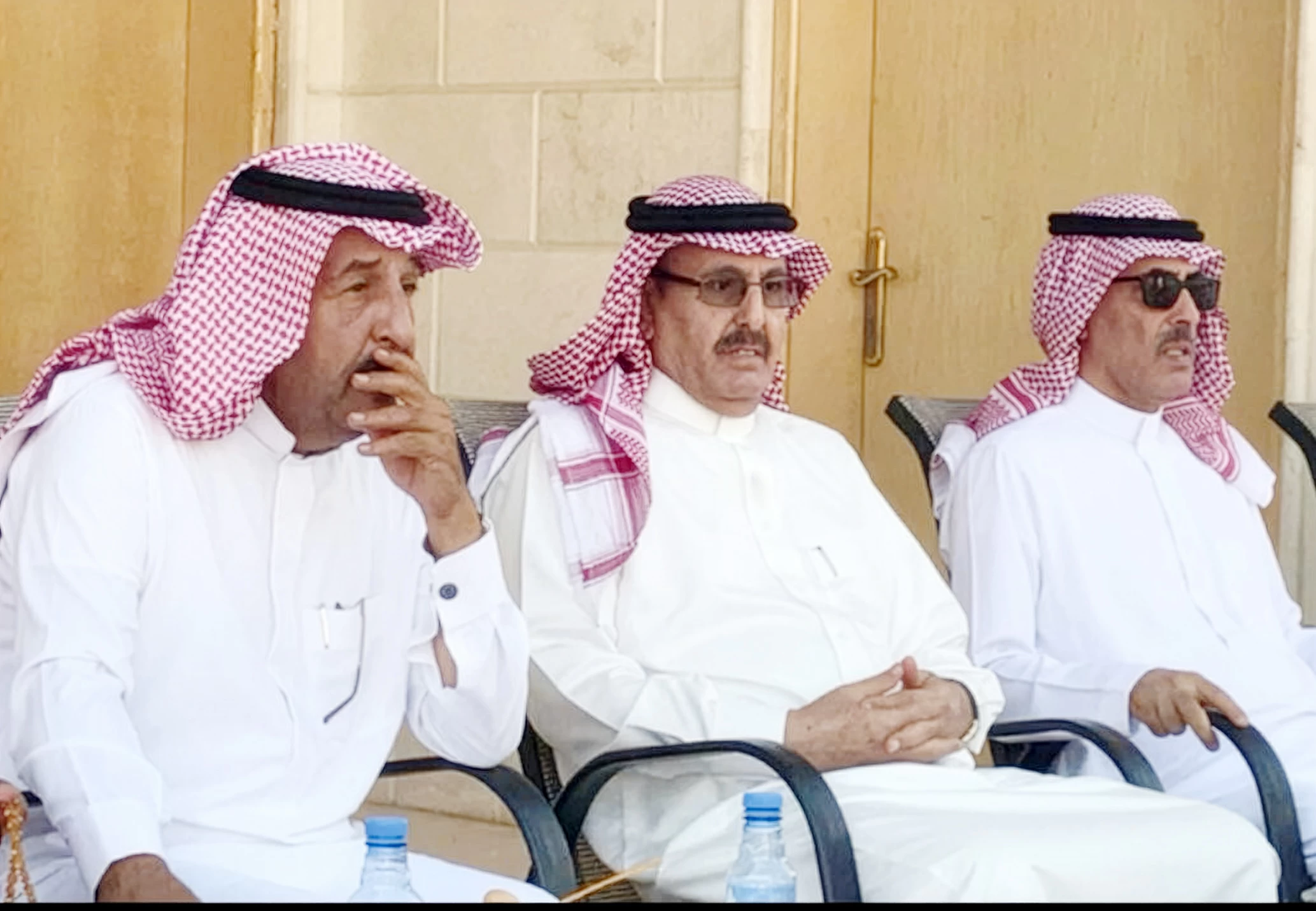
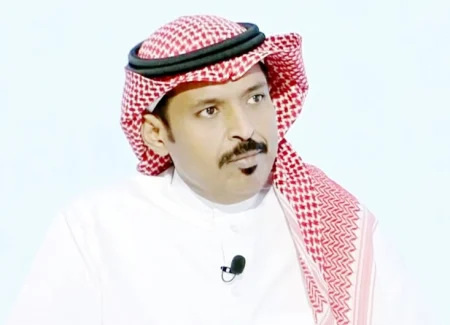
يحظى القاص سعود الجراد باحترامٍ لا حدود له في فضائنا الثقافي المحلّي والعربي، بحكم شخصيته المُثقفة، ورُقيّ أخلاقه. لا يتنكّر لماضيه، وأنه ابن مزارع تعلّق بالاخضرار، وأدرك مُبكّراً أن العناية بالشجرة سبب للنموّ وجودة الثمرة. بدأ النشر قبل ما يقرب من نصف قرن، وافتتن بكتابة القصة التي كان أحد فرسانها، وكان حاضراً ببصمته الخاصة في فضاء المقالة، وفجأة انقطع عن المشهد، ولم يحتفِ بطباعة نتاجه، ولعلّ هناك أسباباً تفسيريةً وتبريريةً لما اتخذه من قرار. وهنا محاولة لاستشفاف ما في الذاكرة والوجدان من شجن ومتاعب، فإلى نصّ الحوار..
• يقال في علم النفس إن حياتنا ترتبط بأعوام الطفولة الأولى، كيف كانت أعوام سعود الجراد في طفولته؟ وهل من رابط أو إشارات تدل على ما سار إليه وما صار عليه؟
•• عشتُ طفولةً ليست مريحة نوعاً ما، بسبب تطليق أبي لأمي. عاش إخوتي الكبار مع أبي في مزرعته، بينما عشتُ مع أمي في حارة العليا في حائل، وأتذكر أنني لم أكن أستطيع الحصول على «ترنك رياضي» في المرحلة الابتدائية، كبقية زملائي.
• بماذا انعكست هذه الظروف على الطفل؟
•• طفولتي التي عشتها مع أمي جعلتني أشعر بأحزانها وأفراحها، وأتلمّس ما يثقل قلبها، وما يبعث الفرح في نفسها. وحفظت ما كانت ترويه من قصائد وحكايات، وحفظت أيضاً تفاصيل معاناتها طفلةً إثر طلاق والديها، في زمن الشح والفقر والعوز.
• لماذا اتجهت لدراسة إدارة الأعمال برغم شغفك باللغة والكتابة الأدبية؟
•• جاءت أمور الدراسة والتخصص هكذا، من دون توجيه من أحد! كان أبي يتمنى أن أعمل معه في مزرعته، لكنني، وأنا في المرحلة الثانوية، حين كان الزملاء يسألونني عن وجهتي الدراسية، كنت أقول: سوف ألتحق بكلية التجارة، قبل أن تتحول لاحقاً إلى كلية العلوم الإدارية، ثم تخصصت في إدارة الأعمال. وأحمد الله أنني تخصصت في هذا المجال.. فالإدارة مهمة جداً للإنسان، سواء في مصدر رزقه أو في إدارة بيته وحياته، وفي شؤون الحياة الأخرى. وكان أول نص نشرته وأنا أدرس في جامعة الملك سعود، في بدايات الثمانينيات الميلادية. وعمومًا، الأدب لا يُعتمد عليه في العيش إلا ما ندر في بلادنا العربية.
• اعتدنا من المثقفين غالباً الحضور في الفعاليات الثقافية والاجتماعية، يبدو أنك مثقف زاهد في الأضواء، ما تفسيرك لهذا الزهد، خصوصاً أنك غبت لأعوام عن المشهد؟
•• لا أتكلف الزهد، وأتضايق كثيراً من المجاملات. وفي كثير من اللقاءات، لا أجد ما يُضاف إليّ أو ما أضيفه إليها. وما أؤمن به أستطيع أن أكتبه في مقال أو تغريدة على منصة (إكس)، دون حاجة إلى كثير من الكلام والمجاملات.
• ما سبب الغياب أو الانقطاع عقب التزامك أعواماً بالنشر الصحفي قصصياً، وكتابة زاوية (بعض الذي)؟
•• توقفت عن الكتابة بسبب قنوطي من قدرة الكتابة على تغيير الواقع نحو الأفضل، وبسبب وجود عوامل سياسية وثقافية هنا وهناك جعلتني أكتفي بالمتابعة والقراءة!
• منذ «بورتريه للسيد مطيع» لم تُصدر أي مجموعة برغم تصريحك بأن مجموعة (أوراق المريض) جاهزة للطبع، ما سبب هذا التردد؟
•• نعم، لديّ مجموعة قصصية جاهزة، ولكن.. طُلب مني طباعة مجموعتي الثانية، ولم أكن مقتنعاً بالنشر عن طريق الأندية الأدبية، فرفضت ذلك. إذ إن طباعة عدد محدود، لا يتجاوز ألف نسخة، يذهب أغلبه إلى الإهداءات، ولا يخدم الكتاب كثيراً في عملية التوزيع والانتشار.
• هل تتعمّد أن تكون كاتباً مُقِلّاً في إنتاجك؟
•• الكتابة شيء، والنشر شيء آخر. لا، إطلاقاً، لا أتعمد أن أكون مُقِلّاً. صرتُ أحياناً أنشر بعض ما أكتب في منصة (إكس)، وأحياناً أرسله إلى صديق.
• ما مدى استيعاب القصة القصيرة لكل ما يعتمل في نفسك من أفكار ورؤى؟ ولماذا لم تنتقل لكتابة الرواية؟
•• القصة القصيرة والحكاية أجدهما مناسبتين لي، وأعبر من خلالهما عن كل ما أحب. وهي ليست تمريناً لكتابة رواية، فالقصة القصيرة جنس أدبي قائم بذاته، وإن كانت تناسب صاحب النفس القصير!
• لمن تعزو فضل توجّهك إلى القصة القصيرة؟ وهل حمدت له التوجيه؟
•• كان توجهي إلى القصة من دون توجيه من أحد، ولكنني في السكن الجامعي وجدتُ نفسي أكتب محاولة قصصية، وكانت الكتابة بالنسبة إليّ أشبه بالعلاج لما كان يعتمل في داخلي آنذاك من حزن وضيق، وأنا بعيد عن أهلي وأحبابي.
• ماذا عن التقاطع بين المقالة والقصة؟ وهل الانشغال بجنسين أدبيين يستنزف روح الإبداع؟
•• الحالة الشعورية هي التي تفرض شكل الكتابة، ولا أجد نفسي مستنزفاً بالتنقل بين الأشكال الكتابية. أحياناً يستهويني أن أكتب مقالاً في شكل حكاية، وأحياناً أجدني أوظف القصة داخل المقال، أو أمزج بينهما. المهم عندي أن تفرض الفكرة والحالة الشعورية الشكل الذي يناسبها.
• متى تشكّلت نواة الوعي؟ ومن كان وراء تشكّلها؟
•• تشكّل وعيي في المرحلة الجامعية، ومن خلال الاعتماد على الذات، والقراءات الحرة، والأصدقاء، والسفر، ومتابعة كل جديد. وأظن أن هذه التجارب مجتمعة أسهمت في تشكيل رؤيتي للحياة والناس والوطن والعالم، ومنحتني قدراً أكبر من الاستقلالية في التفكير والنظر إلى الأشياء.
• هل كان لرائد القصة جارالله الحميد أثر في كُتّاب القصة الحائليين ومنهم سعود الجراد؟
•• لا شك أن للقاص والشاعر جارالله الحميد بصمة واضحة في كتابة القصة القصيرة الحداثية في المملكة، كونه وظّف الذات في عوالمه القصصية البوهيمية، وامتلك أسلوبه الخاص ذا النفس الشعري. ومع ذلك، لا أرى تأثيراً مباشراً وواضحاً له في كتّاب حائل.
• بماذا تصف دور النقاد؟ وما أثره على تجربتك؟
•• النقاد لم يقدموا شيئاً لتجربتي، ولتجارب كثيرين غيري.. كانوا مشغولين بالجيل الذي سبقنا، ولم أجد منهم اهتماماً حقيقياً بتجربتنا أو محاولة لقراءتها نقدياً.
• ما أثر الفضاء المجاور للمكان في الوعي والفعل الثقافي؟
•• أي فضاء ثقافي مجاور يمكن أن يكون له تأثير إيجابي أو سلبي، بحسب ما يقدمه ويطرحه من إنتاج ثقافي بشكل عام. وأتذكر تجربة دولة الكويت الجميلة في الثمانينيات، وما شهدته من نشاط ثقافي منوّع، وما قدّمه المجلس الوطني للثقافة والفنون والآداب من مبادرات وإصدارات، إلى جانب ما كانت تقدمه مجلة (العربي) و(عالم المعرفة) من محتوى ثقافي ومعرفي وفني ثري.
• بمن أُعجبتَ قرائياً في بواكير الشباب، محلياً وعربياً؟
•• أعجبت وقرأت لمبدعين كثر، منهم: صالح الأشقر، وجارالله الحميد، وعبدالرحمن منيف، ونجيب محفوظ، وإدوار الخراط، وعبدالله الغذامي، وسعيد السريحي، وعبده خال، وعبدالرحمن الدرعان، ومحمد شكري، وغالب هلسا، وغيرهم كثير. ولا أنسى الكاتب العظيم (غابرييل غارسيا ماركيز).
• أي فضاءات سردية استدرجتك إليها وافتتنت بها؟
•• قرأت أغلب أعمال الروائي الكبير عبدالرحمن منيف، وافتتنت بروايته مدن الملح وتلك الأجواء. ويشدني فضاء الإنسان والأرض والبحث عن غد أفضل وعادل في العمل الروائي.
• كيف تقيّم تجربتك في الإدارة الثقافية من خلال جمعية الثقافة والفنون؟
•• عملت قرابة عامين في جمعية الثقافة والفنون، وكانت تجربة بسيطة في مؤسسة ذات إمكانات مالية محدودة. حاولت أن أعمل قدر الإمكان، وحاولت أن أغيّر، لكن البيروقراطية كانت متأصلة فيها آنذاك، فقدّمت استقالتي وأنا مرتاح الضمير!
• ما الذي تبقّى من ذكريات مجلس إدارة أدبي حائل؟
•• تجربتي في النادي الأدبي كانت مختلفة جذرياً. اتصل بي وكيل الوزارة حينها الدكتور عبدالعزيز السبيل ليأخذ موافقتي على ترشيحي عضواً في مجلس إدارة أدبي حائل. قلت له: يا دكتور عبدالعزيز، المؤسسات الثقافية لا يُراد لها أن تعمل. فقال: اخترناك لتعمل! وفعلاً، عملنا في أدبي حائل بحرية، ومن دون تدخل من المركز الرئيس، وأصدرنا كتباً، وأقمنا فعاليات، وأنجزنا أعمالاً أعتقد أن التاريخ الثقافي سينصف بها تلك المرحلة.
• هل وجدت في مواقع التواصل متنفساً ومساحة رحبة تغني عن الكتابة القصصية، أم هي امتداد لهذه الكتابة؟
•• تتيح لي منصة «إكس» نشر ما أكتبه بحرية وسرعة، ولا أجد فيها بديلاً عن الكتابة الإبداعية. فالكاتب إنسان، يرى ما يدور حول وطنه والإقليم والعالم بشكل عام من حروب وعبث، ولا بد أن يكون له موقف. وهذا ما أحاول أن أعبّر عنه وأكتبه وأنشره.
• ماذا عن حياد الكاتب وعزلته؟
•• الكتابة بالنسبة لي ليست حياداً، وليست عزلة صوفية عن الواقع، بل هي أيضاً محاولة لفهمه، والتعبير عن الموقف منه، والسعي، قدر الإمكان، إلى تغييره.
• ما الذي تعمل عليه اليوم؟ وماذا عن تصالح المثقف داخلك مع التحولات الثقافية وتغيّر أدوات ووجوه المرحلة؟
•• لا كرامة لمثقف دون وطن كبير ومستقر، وأنا متصالح مع ذاتي وناسي ووطني، ولله الحمد، ولا يعني هذا أن أتحوّل إلى رجل علاقات عامة أو دعاية. فالمثقف، في دوره، كائن نقدي، وهذا ما أحاول أن أعبّر عنه بين فترة وأخرى، وهناك حكايات أعمل عليها منذ فترة، أنشر بعضها في صفحتي على منصة (إكس) بين حين وآخر.
The storyteller Saud Al-Jarad enjoys boundless respect in our local and Arab cultural space, due to his cultured personality and the nobility of his morals. He does not deny his past, being the son of a farmer who cherished greenery, and he realized early on that caring for the tree is a reason for growth and the quality of the fruit. He began publishing nearly half a century ago and was fascinated by writing stories, being one of its knights, and he left his unique imprint in the realm of essays. Suddenly, he disappeared from the scene and did not celebrate the printing of his works, and perhaps there are explanatory and justifying reasons for the decision he made. Here is an attempt to delve into what lies in memory and sentiment of sorrow and troubles, so to the text of the dialogue…
• It is said in psychology that our lives are linked to the early years of childhood. How were Saud Al-Jarad’s childhood years? Are there any links or signs that indicate what he has become and where he is headed?
•• I lived a somewhat uncomfortable childhood due to my father’s divorce from my mother. My older siblings lived with my father on his farm, while I lived with my mother in the Al-Ulya neighborhood in Hail. I remember that I could not get a “sports uniform” in elementary school like my classmates.
• How did these circumstances reflect on the child?
•• My childhood with my mother made me feel her sorrows and joys, and I sensed what weighed on her heart and what brought her joy. I memorized the poems and stories she recited, and I also remembered the details of her suffering as a child following her parents’ divorce, during a time of scarcity, poverty, and need.
• Why did you choose to study business administration despite your passion for language and literary writing?
•• The matters of study and specialization came about like this, without guidance from anyone! My father wished for me to work with him on his farm, but when I was in high school, when my classmates asked me about my academic direction, I would say: I will join the College of Commerce, before it later turned into the College of Administrative Sciences, and then I specialized in business administration. I thank God that I specialized in this field… for management is very important for a person, whether in their source of livelihood or in managing their home and life, and in other life matters. The first text I published while studying at King Saud University was in the early 1980s. In general, literature cannot be relied upon for a living, except rarely in our Arab countries.
• We are accustomed to seeing intellectuals often present at cultural and social events. You seem to be an intellectual who shuns the spotlight. What is your explanation for this asceticism, especially since you have been absent from the scene for years?
•• I do not feign asceticism, and I am quite annoyed by flattery. In many meetings, I do not find anything to add to myself or anything to contribute. What I believe in, I can write in an article or a tweet on (X), without the need for much talk and flattery.
• What is the reason for your absence or discontinuation after being committed for years to publishing stories and writing the column “Some of What”?
•• I stopped writing due to my despair regarding the ability of writing to change reality for the better, and because of the political and cultural factors here and there that made me content with following and reading!
• Since “Portrait of Mr. Mutai,” you have not published any collection despite your statement that the collection “Patient’s Papers” is ready for printing. What is the reason for this hesitation?
•• Yes, I have a ready collection of stories, but… I was asked to print my second collection, and I was not convinced about publishing through literary clubs, so I refused. Printing a limited number, not exceeding a thousand copies, most of which go to dedications, does not serve the book much in terms of distribution and spread.
• Do you intentionally choose to be a sparse writer in your production?
•• Writing is one thing, and publishing is another. No, not at all, I do not intend to be sparse. Sometimes I publish some of what I write on (X), and sometimes I send it to a friend.
• To what extent does the short story encompass everything that stirs within you of thoughts and visions? And why have you not transitioned to writing novels?
•• I find the short story and the tale suitable for me, and I express through them everything I love. It is not a training for writing a novel; the short story is a literary genre in its own right, even if it suits someone with a short soul!
• To whom do you attribute the credit for your inclination towards the short story? And have you thanked them for this guidance?
•• My inclination towards the story was without guidance from anyone, but I found myself writing a story attempt while in university housing, and writing for me was like therapy for what was stirring inside me at that time of sadness and distress, while I was away from my family and loved ones.
• What about the intersection between the essay and the story? Does engaging in two literary genres drain the spirit of creativity?
•• The emotional state is what imposes the form of writing, and I do not find myself drained by moving between writing forms. Sometimes I am tempted to write an article in the form of a tale, and sometimes I find myself employing the story within the article, or mixing between them. What matters to me is that the idea and emotional state impose the form that suits them.
• When did the nucleus of awareness form? And who was behind its formation?
•• My awareness formed during my university years, through self-reliance, free readings, friends, travel, and following everything new. I believe that these combined experiences contributed to shaping my vision of life, people, the homeland, and the world, and granted me a greater degree of independence in thinking and looking at things.
• Did the pioneer of the story, Jarallah Al-Humaid, have an impact on the Hail story writers, including Saud Al-Jarad?
•• There is no doubt that the storyteller and poet Jarallah Al-Humaid has a clear imprint on writing modern short stories in the Kingdom, as he employed the self in his bohemian story worlds and possessed his unique style with a poetic soul. However, I do not see a direct and clear influence on the writers of Hail.
• How do you describe the role of critics? And what is its impact on your experience?
•• Critics have not contributed anything to my experience, nor to the experiences of many others like me… they were preoccupied with the generation that preceded us, and I did not find them genuinely interested in our experience or attempting to read it critically.
• What is the impact of the adjacent space on awareness and cultural action?
•• Any adjacent cultural space can have a positive or negative impact, depending on what it offers and presents in terms of cultural production in general. I remember the beautiful experience of the State of Kuwait in the 1980s, and what I witnessed of diverse cultural activity, and what the National Council for Culture, Arts, and Letters offered in terms of initiatives and publications, alongside what magazines like (Al-Arabi) and (World of Knowledge) provided in terms of rich cultural, intellectual, and artistic content.
• Who impressed you as a reader in your early youth, locally and Arabically?
•• I was impressed by and read many creators, including: Saleh Al-Ashqar, Jarallah Al-Humaid, Abdul Rahman Munif, Naguib Mahfouz, Edward Al-Kharrat, Abdullah Al-Ghadhami, Said Al-Surayhi, Abdu Khal, Abdul Rahman Al-Durian, Muhammad Shukri, and Ghalib Halsa, among many others. I cannot forget the great writer (Gabriel Garcia Marquez).
• What narrative spaces have lured you and fascinated you?
•• I read most of the works of the great novelist Abdul Rahman Munif, and I was fascinated by his novel “Cities of Salt” and those atmospheres. I am drawn to the space of humanity, the earth, and the search for a better and fairer tomorrow in the novel.
• How do you evaluate your experience in cultural management through the Culture and Arts Association?
•• I worked for nearly two years in the Culture and Arts Association, and it was a simple experience in an institution with limited financial resources. I tried to work as much as possible, and I tried to change, but bureaucracy was deeply rooted in it at that time, so I submitted my resignation with a clear conscience!
• What remains of your memories of the Hail Literary Club’s Board of Directors?
•• My experience in the literary club was fundamentally different. The then Undersecretary of the Ministry, Dr. Abdulaziz Al-Sabeel, contacted me to get my approval for my nomination as a member of the Board of Directors of the Hail Literary Club. I told him: Dr. Abdulaziz, cultural institutions are not meant to work. He said: We chose you to work! And indeed, we worked in the Hail Literary Club freely, without interference from the main center, we published books, held events, and accomplished works that I believe cultural history will recognize in that phase.
• Did you find in social media a breath of fresh air and a spacious area that compensates for storytelling, or is it an extension of this writing?
•• The platform “X” allows me to publish what I write freely and quickly, and I do not find it a substitute for creative writing. A writer is a human being who sees what is happening around his country, region, and the world in general in terms of wars and chaos, and he must have a stance. This is what I try to express, write, and publish.
• What about the writer’s neutrality and isolation?
•• Writing for me is not neutrality, nor is it a mystical isolation from reality; rather, it is also an attempt to understand it, express a stance towards it, and strive, as much as possible, to change it.
• What are you currently working on? And what about the reconciliation of the intellectual within you with cultural transformations and the changing tools and faces of the stage?
•• There is no honor for an intellectual without a great and stable homeland, and I am at peace with myself, my people, and my country, thank God, and this does not mean that I turn into a public relations or advertising man. The intellectual, in his role, is a critical being, and this is what I try to express from time to time, and there are stories I have been working on for a while, some of which I publish on my page on the platform (X) from time to time.