



 اختر منطقتك
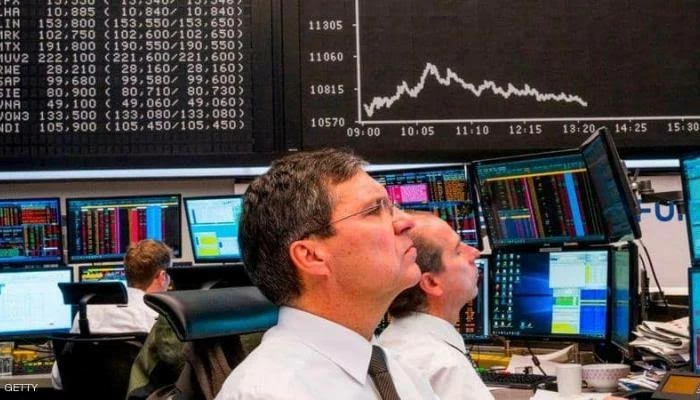
واصلت الأسهم الأوروبية موجة البيع اليوم؛ ما دفع المؤشرات إلى أدنى مستوياتها في أسبوعين، حيث أحدث تصعيد حاد في الحرب بالشرق الأوسط صدمة في أسواق الأصول العالمية عالية المخاطر.
وانخفض مؤشر «ستوكس يوروب 600» بنسبة 0.2%، مسجلاً بذلك سادس جلسة متتالية من التراجع، وملامساً أدنى مستوى له منذ الخامس من أغسطس الجاري. وإذا استمرت الخسائر حتى إغلاق السوق، فإن المؤشر يتجه لتسجيل أطول سلسلة خسائر يومية له منذ نوفمبر 2025. وانخفض مؤشر داكس الألماني بنسبة 0.4%، بينما استقر مؤشرا «كاك 40» الفرنسي و«فوتسي 100» البريطاني.
موجة صعود
وأدى هذا التصعيد إلى موجة صعود جديدة في أسواق الطاقة، مما زاد من ضبابية الأفق الاقتصادي الكلي للشركات الأوروبية التي تعاني أصلاً من ارتفاع تكاليف الإنتاج. وارتفعت العقود الآجلة لخام برنت بنسبة 0.8% لتتداول عند 91.49 دولاراً للبرميل، مسجلة أعلى مستوى لها منذ 30 يوليو الماضي.
ويهدد هذا الارتفاع المتجدد في أسعار النفط الخام بإعادة إشعال التضخم الناتج عن ارتفاع التكاليف في سلاسل التوريد الأوروبية. ويخشى متداولو الدخل الثابت والأسهم من أن تؤدي صدمة الطاقة المطولة إلى الحد من قدرة البنوك المركزية على تيسير السياسة النقدية في وقت لاحق من هذا الخريف، حتى مع استمرار هشاشة النمو الاقتصادي الإقليمي.
European stocks continued their selling wave today, pushing indices to their lowest levels in two weeks, as a sharp escalation in the Middle East conflict shocked global high-risk asset markets.
The “Stoxx Europe 600” index fell by 0.2%, marking its sixth consecutive session of decline and touching its lowest level since August 5th. If losses continue until market close, the index is on track to record its longest daily losing streak since November 2025. The German DAX index dropped by 0.4%, while the French CAC 40 and British FTSE 100 indices remained stable.
Surge Wave
This escalation has led to a new surge in energy markets, increasing the economic uncertainty for European companies that are already struggling with rising production costs. Brent crude futures rose by 0.8% to trade at $91.49 per barrel, marking their highest level since July 30th.
This renewed rise in crude oil prices threatens to reignite inflation driven by rising costs in European supply chains. Fixed-income and equity traders fear that the prolonged energy shock could limit central banks’ ability to ease monetary policy later this fall, even as regional economic growth remains fragile.