

 اختر منطقتك
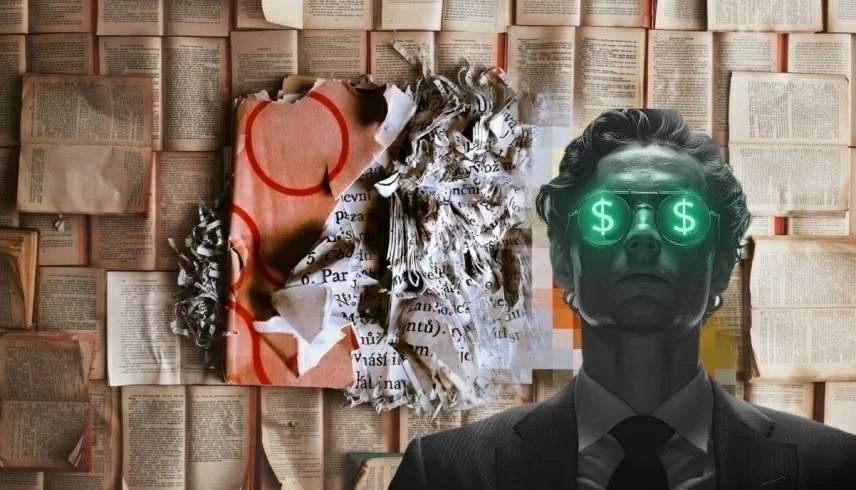
في تحول درامي وغير متوقع داخل سوق الثقافة العالمي، لم تعد الكتب المستعملة مجرد سلعة زهيدة الثمن يقتنيها القراء عشاق الأوراق القديمة، بل تحولت فجأة إلى «مادة خام أصلية» تدر ملايين الدولارات، وسط سباق حامي الوطيس بين غول شركات الذكاء الاصطناعي للحصول عليها ثم إتلافها نهائياً!
أطلقت الشركات التكنولوجية الكبرى ما يُشبه «المجزرة الورقية الناعمة»، حيث تعقد صفقات شراء خاطفة لشراء ملايين الكتب المطبوعة خاصة الصادرة قبل عام 2022، ليس من أجل القراءة، بل لفصل أغلفتها وتقطيع صفحاتها ورقمنتها عبر ماسحات ضوئية فائقة السرعة، قبل رميها في القمامة!
لماذا يفضل الذكاء الاصطناعي الكتب الممزقة؟
يكمن السر في جودة النواة الفكرية، فبعدما طفح الإنترنت بالملايين من النصوص والمحتويات المزيفة والمولدة آلياً، واجهت الشركات أزمة «تلوث البيانات». وهنا أدرك المطورون أن الفكر البشري المكتوب بخط اليد والمحفوظ في الكتب القديمة هو المصدر الوحيد الأكثر نقاءً لتدريب نماذجهم اللغوية مثل «Claude» وغيرها.
الشركات فضلت هذه «المجزرة» لأسباب اقتصادية وقانونية بحتة، حيث تُتيح آلية التدمير والرقمنة السريعة استخراج البيانات بأقل كلفة، مستفيدة من ثغرة «مبدأ البيع الأول» الذي يمنح المشتري حق إتلاف السلعة دون الحاجة للرجوع للمؤلفين أو دفع حقوق ملكية فكرية باهظة.
هذا «البزنس الخفي» أنشأ شبكة واسعة من الوسطاء وسماسرة الكتب، حيث كشفت تقارير أن منصات مثل «ISBNdb» أصبحت تتلقى طلبيات هائلة تصل إلى مليون كتاب في الصفقة الواحدة مع فرض تكتم وسرية تامة على هوية المشترين تجنباً لغضب الرأي العام!
ورغم تحذيرات شخصيات مثل إيلون ماسك الذي وجه بمنع إتلاف النسخ النادرة في مشاريعه، يرى الخبراء أن هذا السباق المحموم يهدد باختفاء طبعات ونصوص تاريخية فريدة للأبد، لتحول الفكر البشري الإنساني المفتوح إلى مجرد كود برمجي تحتكره شركات التكنولوجيا.
In a dramatic and unexpected shift within the global culture market, used books have transformed from being merely a low-cost commodity for readers who cherish old pages into a suddenly sought-after “raw material” generating millions of dollars, amidst a fierce race among tech giants for their acquisition and subsequent complete destruction!
Major tech companies have launched what resembles a “soft paper massacre,” engaging in swift purchasing deals to acquire millions of printed books, especially those published before 2022, not for reading, but to strip their covers, tear their pages, and digitize them using ultra-fast scanners, before tossing them in the trash!
Why does artificial intelligence prefer torn books?
The secret lies in the quality of the intellectual core. After the internet became flooded with millions of fake and automatically generated texts and content, companies faced a “data pollution” crisis. Here, developers realized that human thought, handwritten and preserved in old books, is the only purest source for training their language models like “Claude” and others.
Companies preferred this “massacre” for purely economic and legal reasons, as the mechanism of destruction and rapid digitization allows for data extraction at the lowest cost, taking advantage of the loophole of the “first sale doctrine,” which grants the buyer the right to destroy the item without needing to consult the authors or pay exorbitant intellectual property rights.
This “hidden business” has created a vast network of intermediaries and book brokers, with reports revealing that platforms like “ISBNdb” have started receiving massive orders reaching up to a million books in a single transaction, imposing complete confidentiality on the identity of the buyers to avoid public outrage!
Despite warnings from figures like Elon Musk, who has called for the prevention of the destruction of rare copies in his projects, experts believe that this frantic race threatens the permanent disappearance of unique historical editions and texts, turning open human thought into mere code monopolized by tech companies.