



 اختر منطقتك
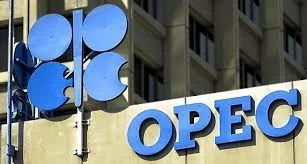
رفعت منظمة الدول المصدرة للنفط تقديراتها لنمو الطلب العالمي على النفط للعام القادم. ووفقاً للتقرير الشهري للمنظمة، الصادر اليوم، خفضت المنظمة توقعاتها لنمو الطلب العالمي على النفط للعام الحالي، للشهر الثالث على التوالي.
تداعيات الحرب
وعدلت المنظمة توقعاتها لنمو الطلب على النفط العالمي هذا العام إلى 800 ألف برميل يومياً، بانخفاض طفيف عن تقديرها الصادر الشهر الماضي، لكنها رفعت تقديرها لنمو الطلب العالمي على النفط للعام القادم إلى نحو 1.9 مليون برميل يومياً. ورغم خفض التوقعات إلا أنها لا تزال أكثر تفاؤلاً من توقعات العديد من الجهات الأخرى، مثل وكالة الطاقة الدولية، التي تتوقع انخفاض الاستهلاك العالمي بمقدار مليون برميل يومياً هذا العام نتيجة لتداعيات الحرب.
تداولات الأسعار
قفزت أسعار النفط مع تصعيد إيران هجماتها في دول بمنطقة الخليج عقب ضربات شنتها الولايات المتحدة، ما يهدد شحنات الطاقة عبر مضيق هرمز. وزادت العقود الآجلة لخام برنت 3.12 دولار للبرميل أو 4.10٪ لتصل إلى 79.13 دولار للبرميل، كما ارتفع خام غرب تكساس الوسيط الأمريكي 2.95 دولار أو 4.13٪ إلى 74.36 دولار للبرميل. وألقى تصاعد الهجمات مزيداً من الشكوك على مستقبل الاتفاق المؤقت بين الولايات المتحدة وإيران الذي تم توقيعه الشهر الماضي، والذي كان يهدف إلى إعادة فتح المضيق وإنهاء الحرب بعد 60 يوماً أخرى من المفاوضات.
وعقب التوصل إلى الاتفاق، ارتفع المعروض العالمي من النفط بمقدار 4.1 مليون برميل يومياً في يونيو الماضي، لكنه ظل أقل بنحو 9.4 مليون برميل يومياً عن مستويات ما قبل الحرب، حسبما ذكرت وكالة الطاقة الدولية في تقريرها الشهري يوم الجمعة الماضي.
The Organization of the Petroleum Exporting Countries has raised its estimates for global oil demand growth for the coming year. According to the organization’s monthly report, released today, it has lowered its forecasts for global oil demand growth for the current year for the third consecutive month.
Impact of the War
The organization has adjusted its forecast for global oil demand growth this year to 800,000 barrels per day, a slight decrease from its estimate released last month, but it has raised its estimate for global oil demand growth for the coming year to about 1.9 million barrels per day. Despite the lowered forecasts, it remains more optimistic than the predictions of many other entities, such as the International Energy Agency, which expects global consumption to decline by one million barrels per day this year due to the impacts of the war.
Price Movements
Oil prices surged as Iran escalated its attacks in countries in the Gulf region following strikes by the United States, threatening energy shipments through the Strait of Hormuz. Brent crude futures rose by $3.12 per barrel or 4.10% to reach $79.13 per barrel, while West Texas Intermediate crude increased by $2.95 or 4.13% to $74.36 per barrel. The escalation of attacks has cast further doubts on the future of the interim agreement between the United States and Iran, which was signed last month and aimed at reopening the strait and ending the war after another 60 days of negotiations.
Following the agreement, global oil supply increased by 4.1 million barrels per day in June, but it remained about 9.4 million barrels per day below pre-war levels, according to the International Energy Agency in its monthly report last Friday.