




 اختر منطقتك
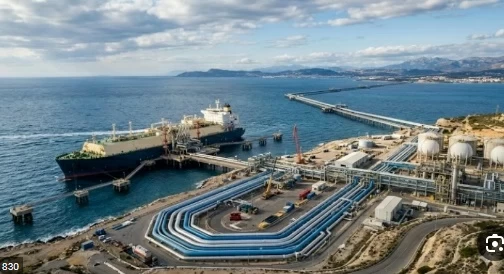
توقع تقرير لإحدى الشركات المتخصصة ارتفاع أسعار الغاز المُسال الفورية خلال الفترة المتبقية من عام 2026، إذ أدّى شتاء بارد وانخفاض مستويات التخزين إلى تنافس بين الدول الأكثر ثراءً في أوروبا وآسيا خلال ذروة موسم التدفئة، وربما حتى في حال إعادة فتح المضيق بحلول ذلك الوقت.
وارتفعت الأسعار إلى ما يصل إلى 25 دولاراً لكل مليون وحدة حرارية بريطانية في آسيا، مقارنة بنحو 10 دولارات لكل مليون وحدة حرارية بريطانية في بداية العام نتيجة حرب إيران وإغلاق مضيق هرمز، إضافة إلى إغلاق منشآت إنتاج الغاز المُسال في منطقة الشرق الأوسط.
عام مليء بالمفاجآت
وأفاد التقرير أن الربع الأول من العام الحالي كان مليئاً بالمفاجآت، ففي أواخر يناير وأوائل فبراير الماضيين شهدت الولايات المتحدة موجة برد شديدة للغاية دفعت أسعار الغاز الفورية في أمريكا الشمالية إلى الارتفاع الحاد، وقيّدت مؤقتاً بعض إنتاج الغاز الطبيعي المسال الأمريكي، كما أدّت قوة الطلب في حوض الأطلسي إلى سحب عدد من الشحنات من أستراليا عبر مسارات غير معتادة، بما في ذلك شحنات أسترالية إلى الساحل الأطلسي لكندا وتركيا، وكذلك إلى تشيلي على ساحل المحيط الهادئ.
آثار ممتدة
وذكر التقرير أنه من المتوقع أن صادرات الغاز الطبيعي المسال العالمية لن تنمو بشكل كبير عام 2026، أو ربما قد تنكمش، ما يطول فترة ضيق السوق، مع آثار ممتدة إلى عام 2027 وما بعده.
وتوقع التقرير ارتفاع الأسعار مع عودة دول مثل باكستان إلى السوق للحصول على الشحنات، وقد ترتفع الأسعار نحو مستوى 20 دولاراً لكل مليون وحدة حرارية بريطانية، بينما إذا تصاعدت المنافسة لاحقاً خلال العام بين الدول الأوروبية الأكثر ثراءً والدول الآسيوية الغنية مثل اليابان، فقد ترتفع الأسعار مجدداً إلى 30 دولاراً لكل مليون وحدة حرارية بريطانية أو أكثر خلال الشتاء القادم، حتى لو أعيد فتح المضيق بحلول ذلك الوقت، لا سيما إذا كان الشتاء بارداً وكانت مخزونات أوروبا منخفضة.
A report from a specialized company predicts an increase in spot prices for liquefied natural gas during the remaining period of 2026, as a cold winter and low storage levels have led to competition among the wealthiest countries in Europe and Asia during the peak heating season, and possibly even if the strait reopens by that time.
Prices have risen to as much as $25 per million British thermal units in Asia, compared to about $10 per million British thermal units at the beginning of the year due to the Iran war and the closure of the Strait of Hormuz, in addition to the shutdown of liquefied natural gas production facilities in the Middle East.
A Year Full of Surprises
The report stated that the first quarter of this year was full of surprises. In late January and early February, the United States experienced an extremely severe cold wave that caused spot gas prices in North America to spike sharply, temporarily constraining some U.S. liquefied natural gas production. Additionally, strong demand in the Atlantic basin led to the diversion of several shipments from Australia via unusual routes, including Australian shipments to the Atlantic coast of Canada and Turkey, as well as to Chile on the Pacific coast.
Extended Effects
The report mentioned that global liquefied natural gas exports are not expected to grow significantly in 2026, and may even contract, prolonging the market tightness, with extended effects into 2027 and beyond.
The report anticipates rising prices as countries like Pakistan return to the market for shipments, with prices possibly rising towards $20 per million British thermal units. However, if competition later in the year escalates between the wealthier European countries and rich Asian nations like Japan, prices could rise again to $30 per million British thermal units or more during the upcoming winter, even if the strait reopens by that time, especially if the winter is cold and European stocks are low.