
 اختر منطقتك
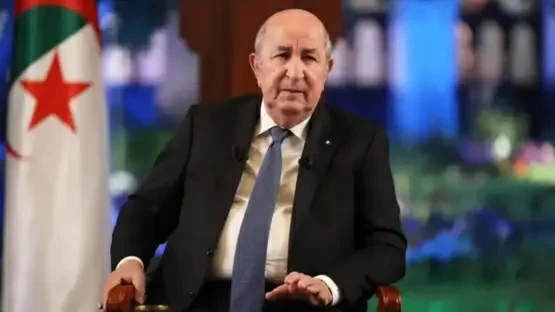
أكد الرئيس الجزائري عبدالمجيد تبون أن المملكة العربية السعودية هي «الركيزة الأساسية» للدول العربية داخل منظمة أوبك، في تعليق لافت على انسحاب دولة الإمارات من المنظمة وتحالف «أوبك+».
وقال تبون، خلال مقابلته الدورية مع وسائل الإعلام الجزائرية اليوم (السبت)، رداً على سؤال حول انسحاب الإمارات: «ليس حدثاً»، مضيفاً أن «الركيزة الأساسية للدول العربية في أوبك هي السعودية الشقيقة»، ومختتماً بقوله: «انتهى الخطاب وطُوي الكتاب».
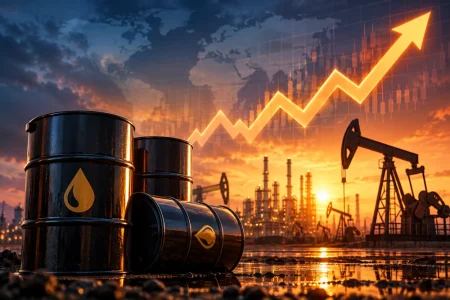
وتُعد «أوبك»، التي تضم 12 دولة عضواً بعد انسحاب الإمارات، أحد أبرز التكتلات الاقتصادية العالمية، وتلعب دوراً حاسماً في تحديد إنتاج النفط وأسعاره عالمياً، خصوصاً في ظل التحديات الجيوسياسية والتحول نحو الطاقة المتجددة.
وتعتبر المملكة أكبر منتج نفطي في «أوبك»، وتلعب دوراً محورياً في استقرار المنظمة وتوازن أسواق الطاقة العالمية، وغالباً ما يشاد بدورها كقائد غير رسمي للمنظمة، خصوصاً في أوقات الأزمات والتوترات الجيوسياسية.
ويعكس موقف الرئيس تبون التقارب الإستراتيجي بين الجزائر والسعودية، ويؤكد على أولوية الاستقرار داخل المنظمة النفطية رغم المتغيرات. كما يأتي في سياق دعم الجزائر المستمر للتنسيق العربي داخل المحافل الدولية الاقتصادية.
وأعلنت دولة الإمارات العربية المتحدة انسحابها الرسمي من منظمة الدول المصدرة للنفط (أوبك) وتحالف «أوبك+»، على أن يبدأ الانسحاب اعتباراً من 1 مايو، مبررة قرارها بالتركيز على المصالح الوطنية وحريتها في تحديد مستويات الإنتاج دون قيود المنظمة.
Algerian President Abdelmadjid Tebboune confirmed that the Kingdom of Saudi Arabia is the “main pillar” of Arab countries within the OPEC organization, in a notable comment on the withdrawal of the United Arab Emirates from the organization and the “OPEC+” alliance.
Tebboune stated during his regular interview with Algerian media today (Saturday), in response to a question about the UAE’s withdrawal: “It is not an event,” adding that “the main pillar of Arab countries in OPEC is our sister Saudi Arabia,” concluding with: “The speech is over, and the book is closed.”
OPEC, which now includes 12 member countries following the UAE’s withdrawal, is one of the most prominent global economic blocs and plays a crucial role in determining oil production and prices worldwide, especially amid geopolitical challenges and the shift towards renewable energy.
Saudi Arabia is considered the largest oil producer in OPEC and plays a pivotal role in the stability of the organization and the balance of global energy markets, often being praised for its role as an unofficial leader of the organization, especially during times of crises and geopolitical tensions.
President Tebboune’s stance reflects the strategic rapprochement between Algeria and Saudi Arabia and emphasizes the priority of stability within the oil organization despite changes. It also comes in the context of Algeria’s ongoing support for Arab coordination within international economic forums.
The United Arab Emirates announced its official withdrawal from the Organization of the Petroleum Exporting Countries (OPEC) and the “OPEC+” alliance, with the withdrawal set to begin on May 1, justifying its decision by focusing on national interests and its freedom to determine production levels without the organization’s constraints.