

 اختر منطقتك
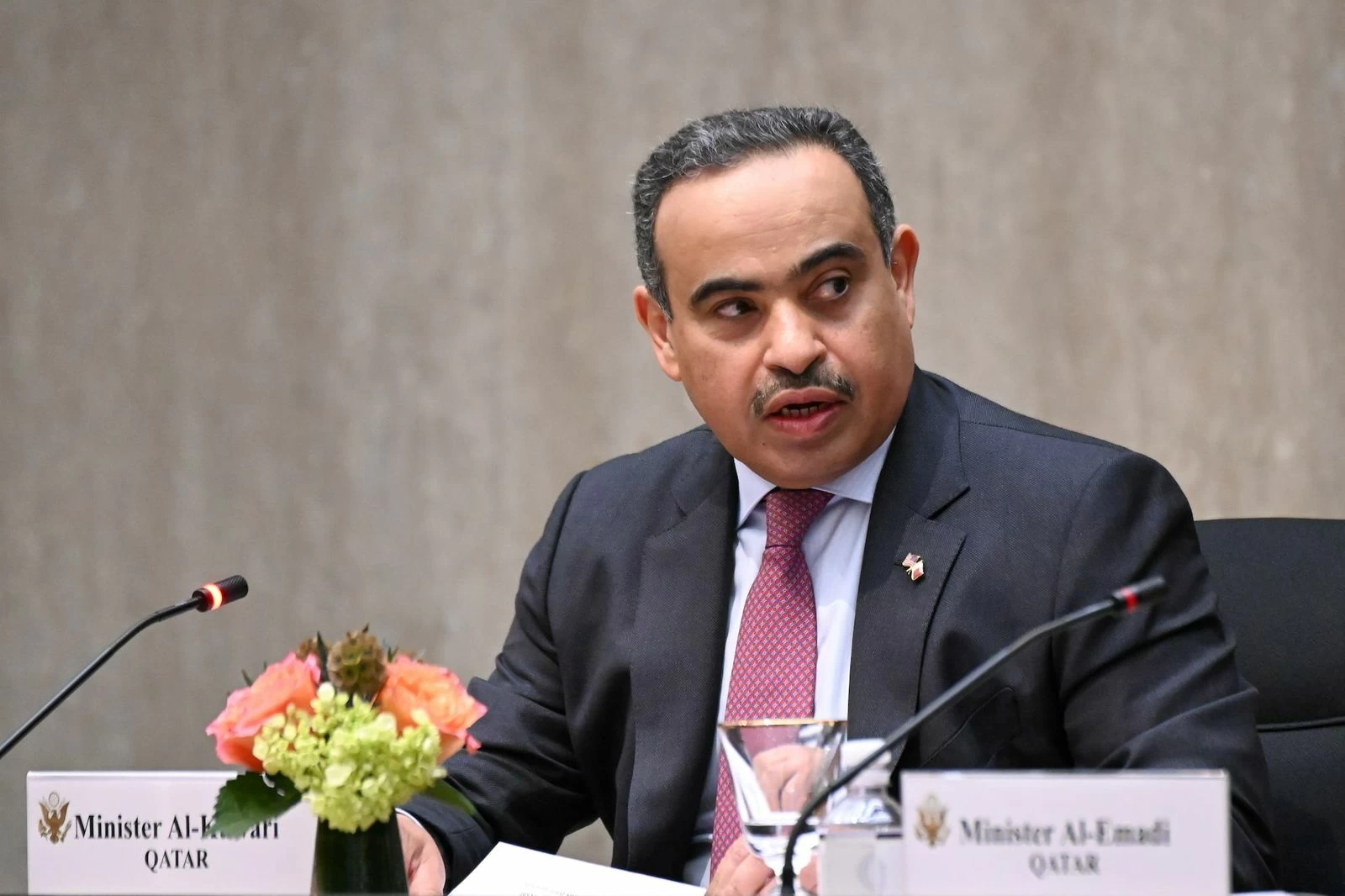
في تحذير لافت يعكس تصاعد القلق العالمي، دقّ وزير المالية القطري علي بن أحمد الكواري ناقوس الخطر بشأن تداعيات الحرب على إيران، مؤكداً أن العالم قد يواجه أزمة طاقة خانقة خلال أشهر قليلة، قد تصل إلى حد عجز بعض الدول عن إنارة أراضيها بالكامل.
دول بلا طاقة.. سيناريو على الطاولة
وخلال جلسة ضمن اجتماعات الربيع لصندوق النقد الدولي في واشنطن، قال الكواري إن «بعض الحكومات قد تجد نفسها في موقف لا تملك فيه ما يكفي من الطاقة لإنارة بلدانها»، في إشارة إلى سيناريوهات حرجة بدأت تلوح في الأفق مع استمرار اضطراب الإمدادات.
وأضاف أن ما يشهده العالم حالياً من ارتفاع في تكاليف الطاقة «ليس سوى قمة جبل الجليد»، مؤكداً أن التأثيرات الحقيقية لم تظهر بعد.
شهران حاسمان.. والصدمة قادمة
وتوقع وزير المالية القطري أن تتكشف التداعيات الاقتصادية الكبرى خلال شهر أو شهرين، مع استمرار القيود على التجارة وتعطّل أحد أهم شرايين الطاقة في العالم، في إشارة إلى مضيق هرمز.
وأوضح أن استمرار إغلاق أو تعطيل الملاحة في المضيق سيؤدي إلى اختناقات حادة في إمدادات السلع الأساسية، خصوصاً للدول المعتمدة على الاستيراد.
هرمز.. شريان مهدد
وأشار الكواري إلى أن المخاطر لا تقتصر على النفط والغاز، بل تمتد إلى سلع إستراتيجية مثل الأسمدة والهيليوم، ما يهدد قطاعات حيوية عالمياً، من الزراعة إلى الصناعات الدقيقة.
وأكد أن أي تأخير في إعادة فتح مضيق هرمز سيضاعف من الضغوط على الأسواق العالمية، ويدفع الأسعار إلى مستويات غير مسبوقة.
«رأس لفان» يزيد القلق العالمي
وفي سياق متصل، كشف الكواري أن الأضرار التي لحقت بمنشأة رأس لفان للغاز الطبيعي المسال في مارس الماضي زادت من حالة القلق، مشيراً إلى أن استعادة الطاقة الإنتاجية الكاملة قد تستغرق ما يصل إلى خمس سنوات.
الهيليوم.. الخطر الصامت
وحذر الوزير القطري من تهديد يطال أحد أقل الموارد حديثاً في الإعلام، وهو الهيليوم، لافتاً إلى أن قطر توفر نحو 30% من الإمدادات العالمية، ما يجعل أي اضطراب في صادراته مؤثراً على صناعات حساسة، أبرزها تصنيع الرقائق الإلكترونية.
In a striking warning that reflects the rising global concern, Qatari Finance Minister Ali bin Ahmed Al Kuwari sounded the alarm about the repercussions of the war on Iran, asserting that the world may face a crippling energy crisis within a few months, potentially reaching a point where some countries may be unable to fully light their territories.
Countries Without Energy.. A Scenario on the Table
During a session at the Spring Meetings of the International Monetary Fund in Washington, Al Kuwari stated that “some governments may find themselves in a position where they do not have enough energy to light their countries,” referring to critical scenarios that are beginning to loom on the horizon as supply disruptions continue.
He added that what the world is currently witnessing in terms of rising energy costs “is just the tip of the iceberg,” emphasizing that the real impacts have yet to be seen.
Two Crucial Months.. The Shock is Coming
The Qatari Finance Minister predicted that the major economic repercussions would become apparent within a month or two, as trade restrictions continue and one of the world’s most important energy arteries is disrupted, referring to the Strait of Hormuz.
He clarified that the continued closure or disruption of navigation in the strait will lead to severe bottlenecks in the supply of essential goods, especially for countries reliant on imports.
Hormuz.. A Threatened Artery
Al Kuwari pointed out that the risks are not limited to oil and gas, but extend to strategic commodities such as fertilizers and helium, threatening vital sectors globally, from agriculture to precision industries.
He confirmed that any delay in reopening the Strait of Hormuz will double the pressures on global markets and push prices to unprecedented levels.
“Ras Laffan” Increases Global Concern
In a related context, Al Kuwari revealed that the damage sustained by the Ras Laffan liquefied natural gas facility last March has heightened anxiety, noting that restoring full production capacity could take up to five years.
Helium.. The Silent Threat
The Qatari minister warned of a threat to one of the least publicized resources in the media, helium, pointing out that Qatar provides about 30% of global supplies, making any disruption in its exports impactful on sensitive industries, most notably semiconductor manufacturing.