



 اختر منطقتك
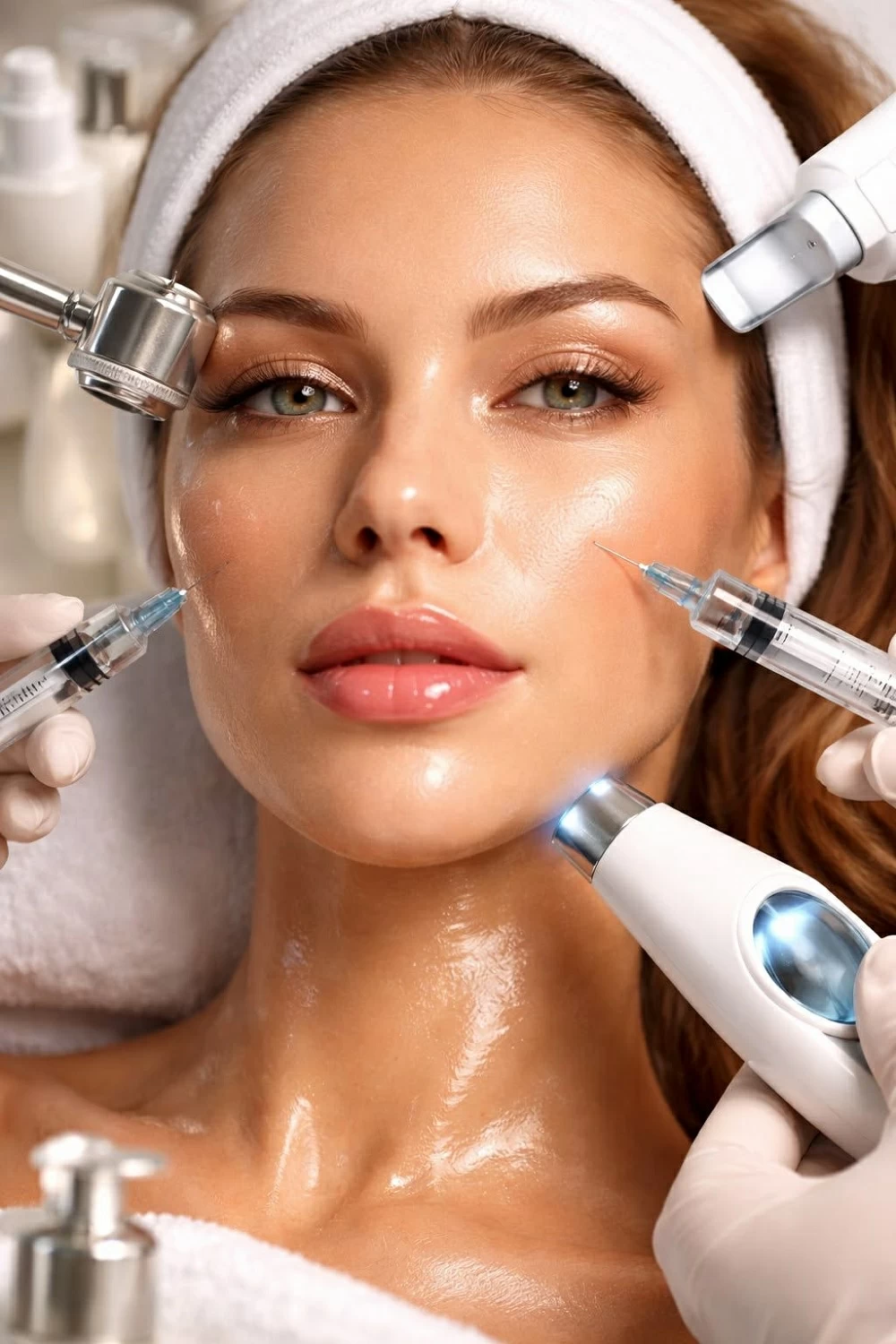
لم يعد فهم مشاكل البشرة اليوم يعتمد فقط على العين المجردة أو استشارة سريعة، بل دخلت التكنولوجيا لتغيّر طريقة تشخيص العناية بالجلد بالكامل، حيث أصبح الذكاء الاصطناعي قادرًا على قراءة البشرة وتحليل تفاصيلها الدقيقة خلال ثوانٍ، ليقدّم تصورًا شبه شخصي لحالتها واحتياجاتها.
ويعتمد هذا النوع من التقنيات على خوارزميات تحليل الصور التي تدرس ملامح البشرة مثل درجة الترطيب، وظهور الخطوط الدقيقة، والبقع، وحب الشباب، إضافة إلى المسام وتفاوت اللون. ومن خلال مقارنة هذه المعطيات بقاعدة بيانات ضخمة، يتمكن النظام من تحديد المشكلات الجلدية المحتملة واقتراح روتين علاجي أو وقائي يناسب كل حالة على حدة.
وقد ساهم هذا التطور في إحداث نقلة نوعية في مفهوم العناية بالبشرة، إذ لم تعد المنتجات تُختار بشكل عام أو عشوائي، بل أصبحت تعتمد على تحليل دقيق وشخصي يراعي اختلاف طبيعة البشرة من فرد لآخر. كما عزز ذلك من وعي المستخدمين بأهمية الفهم العميق لاحتياجات بشرتهم بدل الاعتماد على الترندات العامة أو التجارب غير المدروسة.
وفي المقابل، يثير هذا التطور مجموعة من التساؤلات حول دقة هذه التقنيات وحدود اعتمادها، خصوصا في الحالات الجلدية المعقدة التي قد تتطلب تشخيصًا طبيًا مباشرًا. كما يبرز جدل حول خصوصية البيانات، إذ تعتمد هذه التطبيقات على صور شخصية وتحليل معلومات حساسة تتعلق بالمستخدم.
ومع استمرار تطور الذكاء الاصطناعي في هذا المجال، يتوقع الخبراء أن يصبح تحليل البشرة الرقمي جزءًا أساسيًا من صناعة التجميل، سواء عبر التطبيقات المنزلية أو داخل العيادات المتخصصة، مما يعيد تشكيل تجربة العناية بالبشرة ويجعلها أكثر تخصيصًا ودقة من أي وقت مضى.
The understanding of skin problems today no longer relies solely on the naked eye or a quick consultation; technology has entered to completely change the way skin care diagnosis is conducted. Artificial intelligence has become capable of reading the skin and analyzing its intricate details within seconds, providing a nearly personalized insight into its condition and needs.
This type of technology relies on image analysis algorithms that study skin features such as hydration levels, the appearance of fine lines, spots, acne, as well as pores and color variation. By comparing this data to a massive database, the system can identify potential skin issues and suggest a treatment or preventive routine tailored to each individual case.
This development has contributed to a qualitative shift in the concept of skin care, as products are no longer chosen generally or randomly, but are based on precise and personalized analysis that takes into account the differences in skin types from one person to another. This has also enhanced users’ awareness of the importance of a deep understanding of their skin’s needs instead of relying on general trends or unstudied experiences.
Conversely, this advancement raises a series of questions about the accuracy of these technologies and the limits of their reliance, especially in complex skin conditions that may require direct medical diagnosis. There is also a debate regarding data privacy, as these applications depend on personal images and the analysis of sensitive information related to the user.
As artificial intelligence continues to evolve in this field, experts expect that digital skin analysis will become an essential part of the beauty industry, whether through home applications or within specialized clinics, reshaping the skin care experience and making it more personalized and accurate than ever before.