

 اختر منطقتك
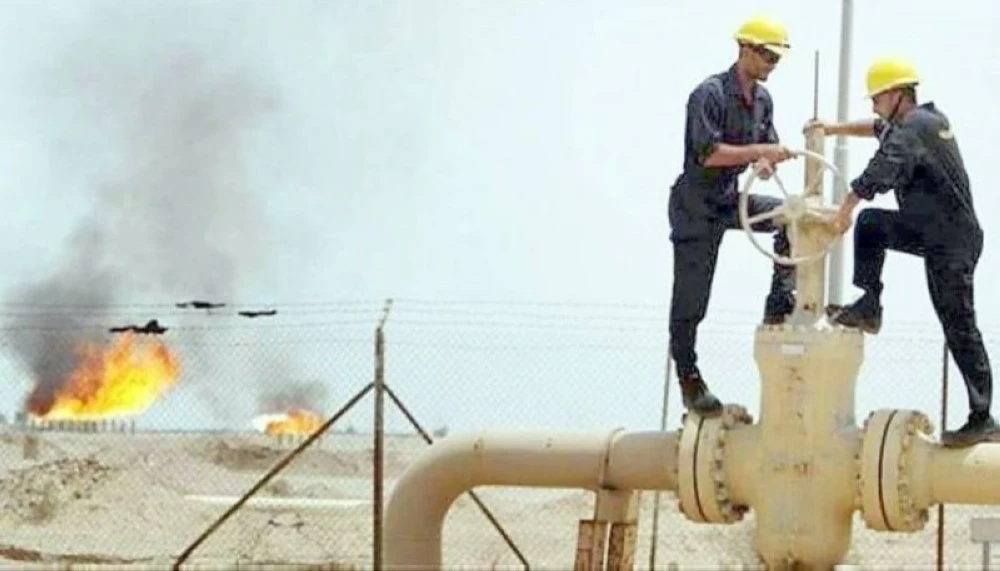
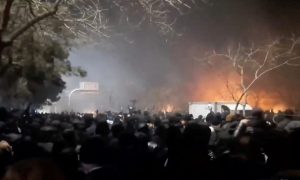
ارتفعت أسعار النفط 2% في آخر تداولات لها، مع تزايد المخاوف بشأن الإمدادات بسبب تصاعد الاحتجاجات في إيران المنتجة للنفط وتصعيد الهجمات في الحرب الروسية في أوكرانيا.
وصعدت العقود الآجلة لخام برنت 1.35 دولار أو 2.18% لتصل إلى 63.34 دولار للبرميل عند التسوية. وزاد خام غرب تكساس الوسيط الأمريكي 1.36 دولار أو 2.35% إلى 59.12 دولار.
وقفز الخامان القياسيان بأكثر من 3%، بعد انخفاضات على مدى يومين متتاليين. وعلى مدار الأسبوع، ارتفع خام برنت بنحو 4%، بينما زاد خام غرب تكساس الوسيط الأمريكي بنحو 3%.
مخاوف من الاضطرابات
وقال كبير المحللين في إحدى المجموعات البحثية المتخصصة فيل فلين: «الانتفاضة في إيران تبقي السوق على المحك».
وأضاف رئيس قطاع تحليل السلع الأولية في ساكسو بنك أولي هانسن:«يبدو أن الاحتجاجات في إيران تتصاعد، مما يثير مخاوف السوق من اضطرابات».
وتزايدت المخاوف من احتمال تعطل إنتاج النفط الإيراني مع اشتداد الاضطرابات المدنية في البلاد.
مبيعات فنزويلا
وأظهر مسح أن منظمة البلدان المصدرة للبترول (أوبك) ضخت 28.40 مليون برميل يوميا الشهر الماضي، بانخفاض 100 ألف برميل يوميا عن الإجمالي المعدل لشهر نوفمبر الماضي، إذ سجلت إيران وفنزويلا أكبر الانخفاضات. وزادت المخاوف بشأن الإمدادات مع تفاقم الحرب بين روسيا وأوكرانيا.
من جهته، طالب الرئيس الأمريكي دونالد ترمب بمنح الولايات المتحدة حق الوصول الكامل إلى قطاع النفط الفنزويلي بعد أيام قليلة من اعتقال الرئيس نيكولاس مادورو.
وذكر مسؤولون أمريكيون أن واشنطن ستسيطر على مبيعات وإيرادات النفط الفنزويلي إلى أجل غير مسمى.
Oil prices rose by 2% in their latest trading, amid increasing concerns about supplies due to escalating protests in oil-producing Iran and the intensification of attacks in the Russian war in Ukraine.
Brent crude futures climbed by $1.35 or 2.18% to settle at $63.34 per barrel. West Texas Intermediate (WTI) crude increased by $1.36 or 2.35% to $59.12.
The two benchmark crudes jumped by more than 3%, following declines over two consecutive days. Over the week, Brent crude rose by about 4%, while West Texas Intermediate crude increased by about 3%.
Concerns Over Disruptions
Phil Flynn, a senior analyst at a research group, stated: “The uprising in Iran keeps the market on edge.”
Oli Hansen, head of commodity analysis at Saxo Bank, added: “It seems that protests in Iran are escalating, raising market fears of disruptions.”
Concerns have increased about the potential disruption of Iranian oil production as civil unrest intensifies in the country.
Venezuela Sales
A survey showed that the Organization of the Petroleum Exporting Countries (OPEC) pumped 28.40 million barrels per day last month, a decrease of 100,000 barrels per day from the revised total for November, with Iran and Venezuela recording the largest declines. Concerns about supplies have grown as the war between Russia and Ukraine worsens.
For his part, U.S. President Donald Trump called for granting the United States full access to the Venezuelan oil sector just days after the arrest of President Nicolás Maduro.
U.S. officials mentioned that Washington would control Venezuelan oil sales and revenues indefinitely.